The path to 2030 - securities processing transformation: report
Building the business case for post-trade transformation in securities processing.
In Partnership with


The global investment management industry is under more pressure than ever. Post-trade transformation is becoming a financial and strategic priority. This whitepaper examines why buy-side firms are targeting USD 71 billion in savings by 2030, how legacy systems continue to absorb sell-side budgets, and where transformational investment could create stronger returns.
Buy-side savings target
Savings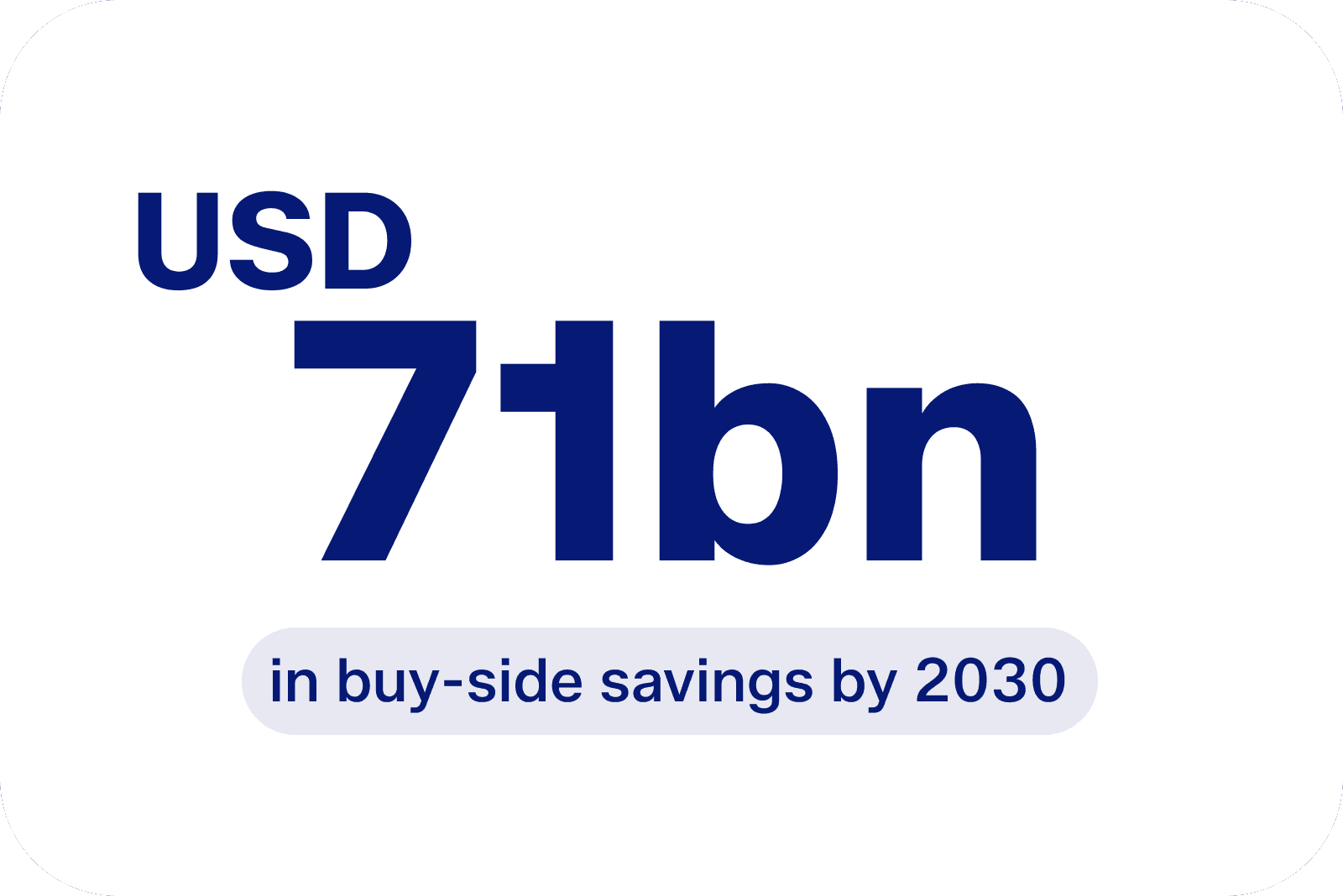
This represents an average of USD 1.6 million in annual savings per fund — a target that requires genuine transformation rather than incremental improvement.
The scale of ambition reflects how far current processing costs remain from where they need to be for firms to stay competitive.
Constrained budget discretion
Investment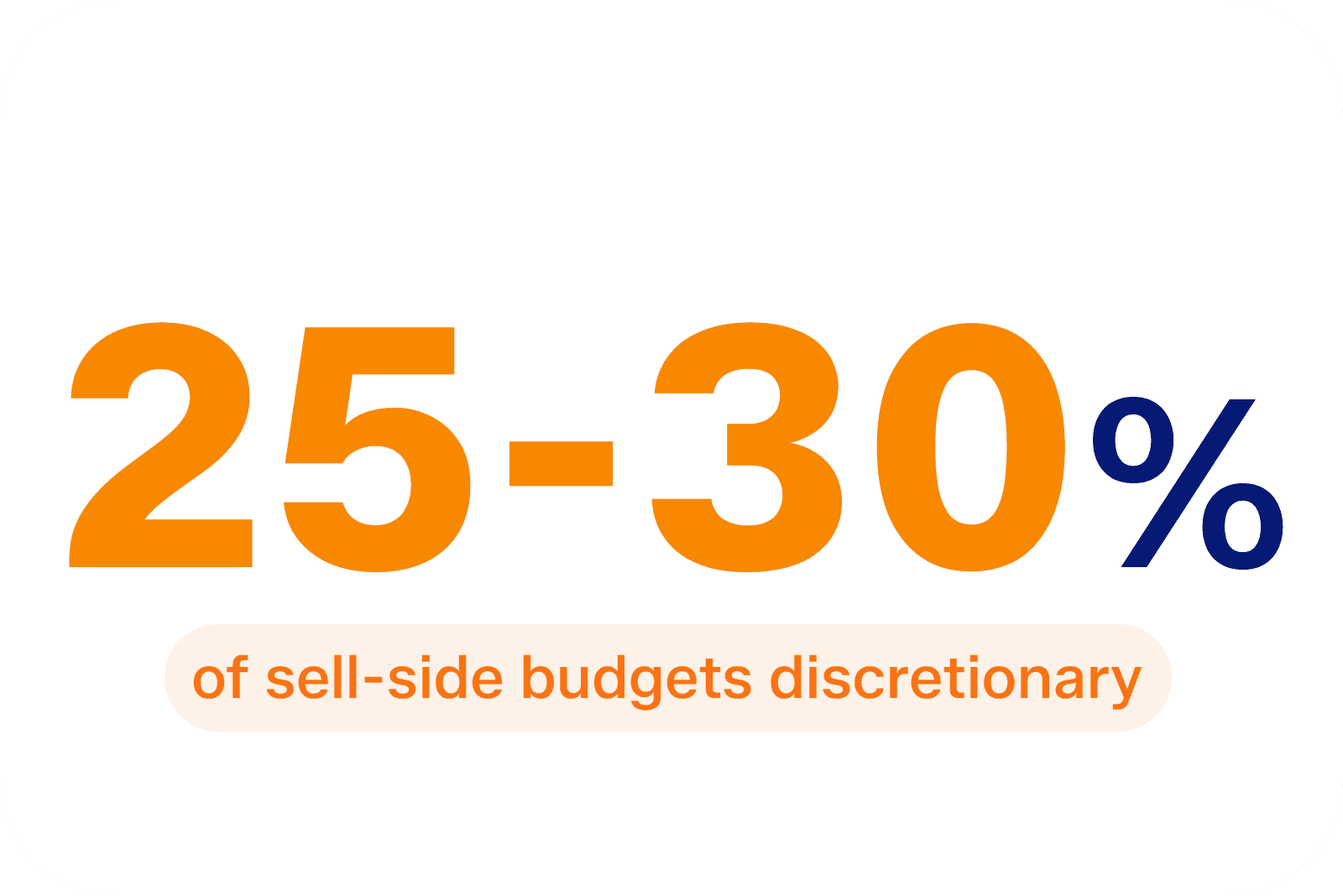
More than half of industry participants believe their systems need improvement — but most cannot allocate the budget to act on that view.
Legacy system costs are consuming the headroom that should be available for transformation investment.
Transformational investment available
Opportunity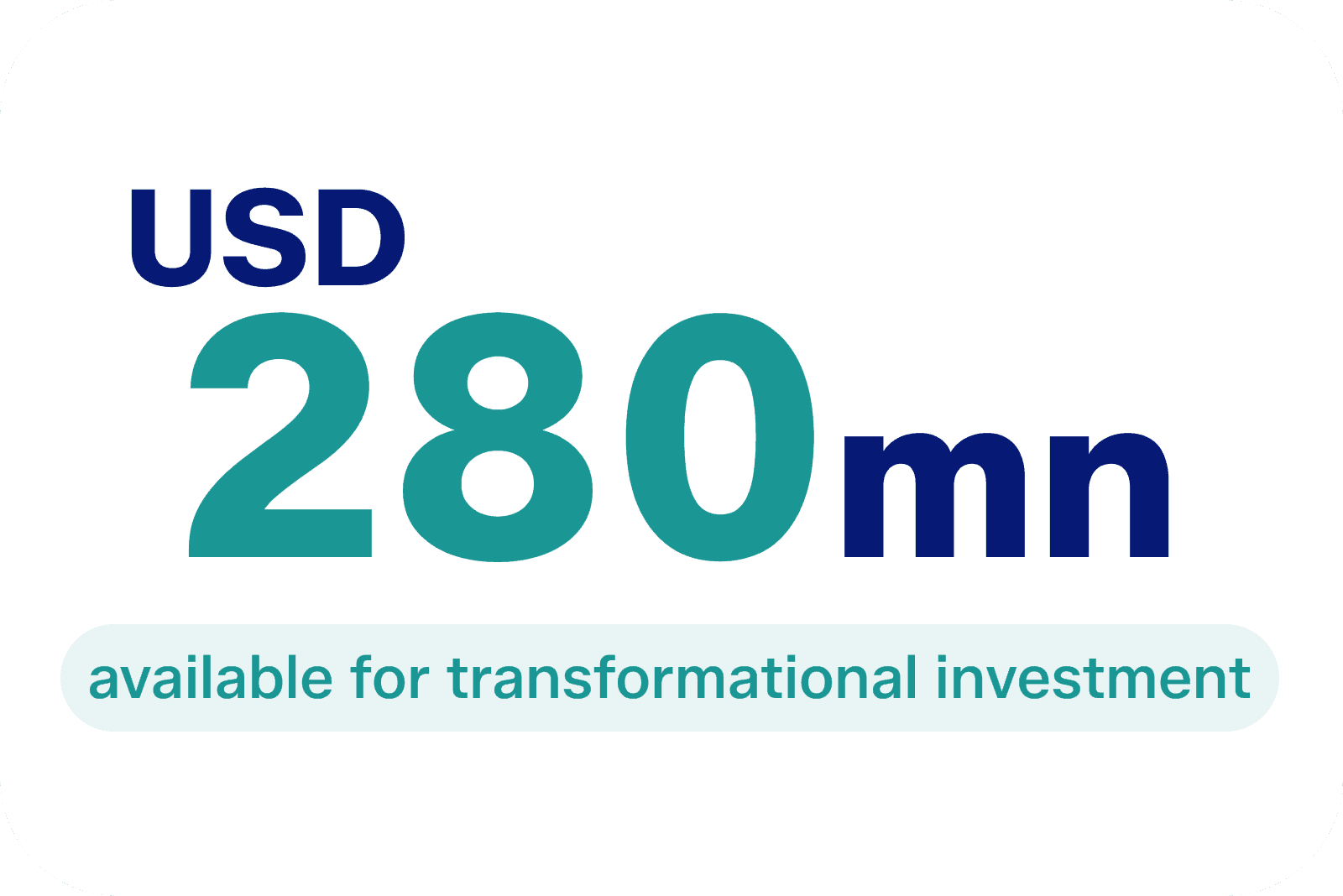
30% of sell-side firms are already seeing securities processing spend rise — signalling that the investment cycle is beginning to turn.
Firms that move early in this cycle will build scale and efficiency advantages that are difficult to replicate later.
Securities processing transformation is no longer just about system renewal. Firms are now reassessing how legacy technology, regulatory timing and investment discipline will shape cost, efficiency and growth through to 2030.
How much value is being lost to outdated post-trade infrastructure and delayed transformation? Where should firms invest now if they want stronger operating performance and better returns over the next five years?
The research draws on insights from 350 senior executives across buy-side and sell-side firms. It examines the economic case for securities processing transformation, the pressures holding firms back, and the opportunities emerging as budgets begin to shift.
The whitepaper, produced in partnership with FIS, highlights:
Buy-side firms are targeting more than US dollar (USD) 71 billion in cost savings by 2030, equivalent to an average of USD 1.6 million in annual savings per fund
Legacy technology currently consumes 57% of sell-side securities processing budgets, limiting room for modernisation and slowing operational improvement
Broker-dealers and banks could invest up to USD 280 million in transformational technologies as investment capacity starts to improve
The average asset manager is aiming to reduce bottom-line expenses by 14% by 2030 through better workflow, infrastructure and operating efficiency
Keep reading — it's free
Verify your email to read this content
Ask the Xchange AI
Have a question about our research? Ask our AI assistant for specific insights.
SHARE THIS INSIGHT

Discover More
View All Insights
Xchange brief
22 October 2026
They have crossed from retail speculation into regulated financial market infrastructure: USD 63bn market grows by 300% per annum.
Report
21 October 2026
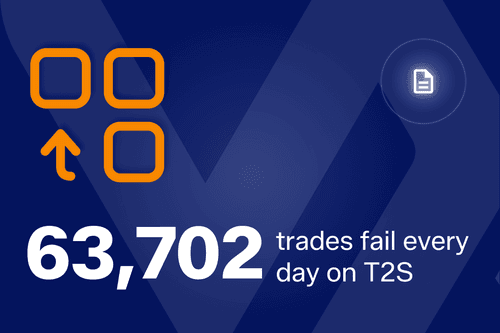
Explore why connected data flows are key to improving European settlement efficiency ahead of T+1.

Xchange brief
20 October 2026
USD 822bn cumulative volume in first five months of 2026. Perpetual futures are migrating into regulated capital markets.

Xchange brief
16 October 2026
T+1, tokenisation, 23x5 trading, and clearing mandates shift from rulebooks to live infrastructure. Are you ready?