Unlocking the age of NAV resilience in 2026.
Explore how NAV production is transforming, the core themes shaping change, the problem statements, and a view of the next five years.
In Partnership with


In partnership with FIS®, the research draws on responses from more than 405 financial services professionals, including asset managers and fund administrators, to examine how investment accounting is changing in 2026.
NAV resilience
Contingency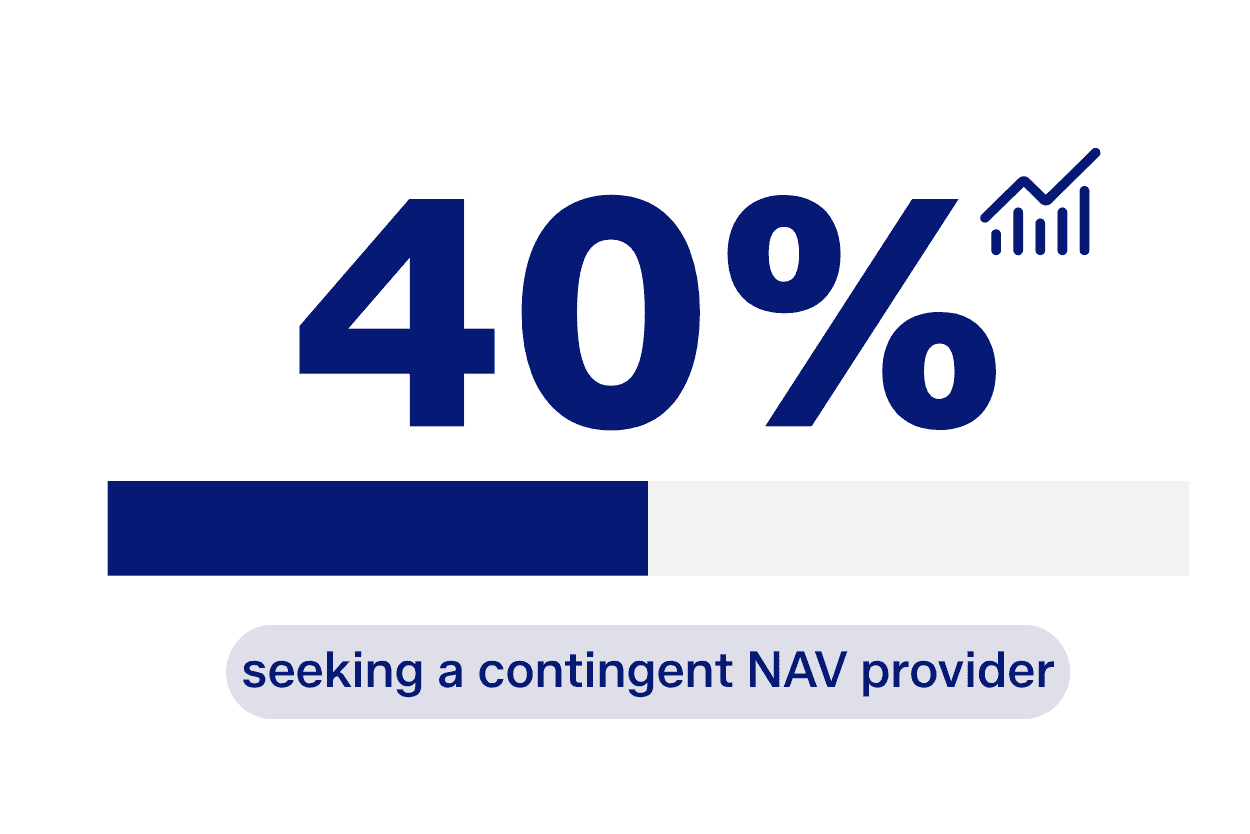
NAV resilience is moving rapidly from theory to direct budgetary spend.
Firms are giving greater attention to contingency and secondary NAV capacity.
Accuracy over speed
Focus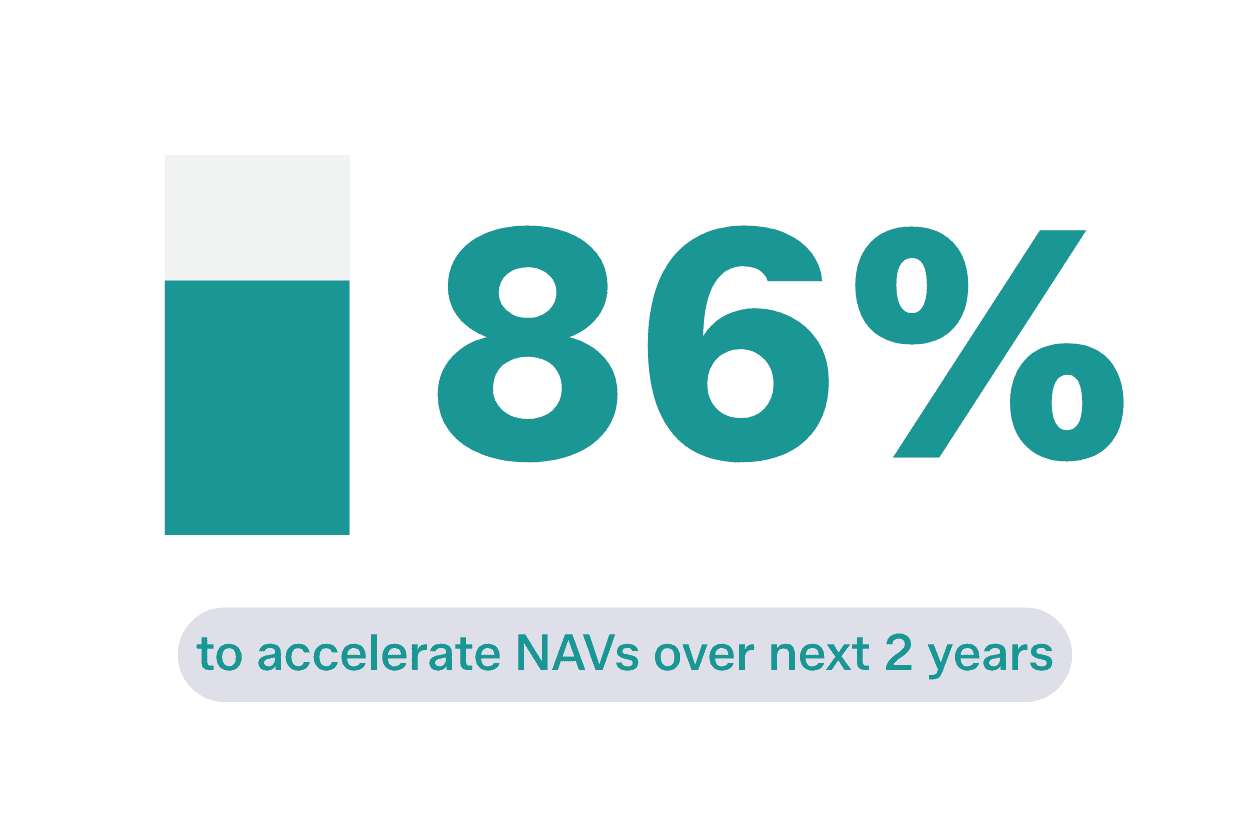
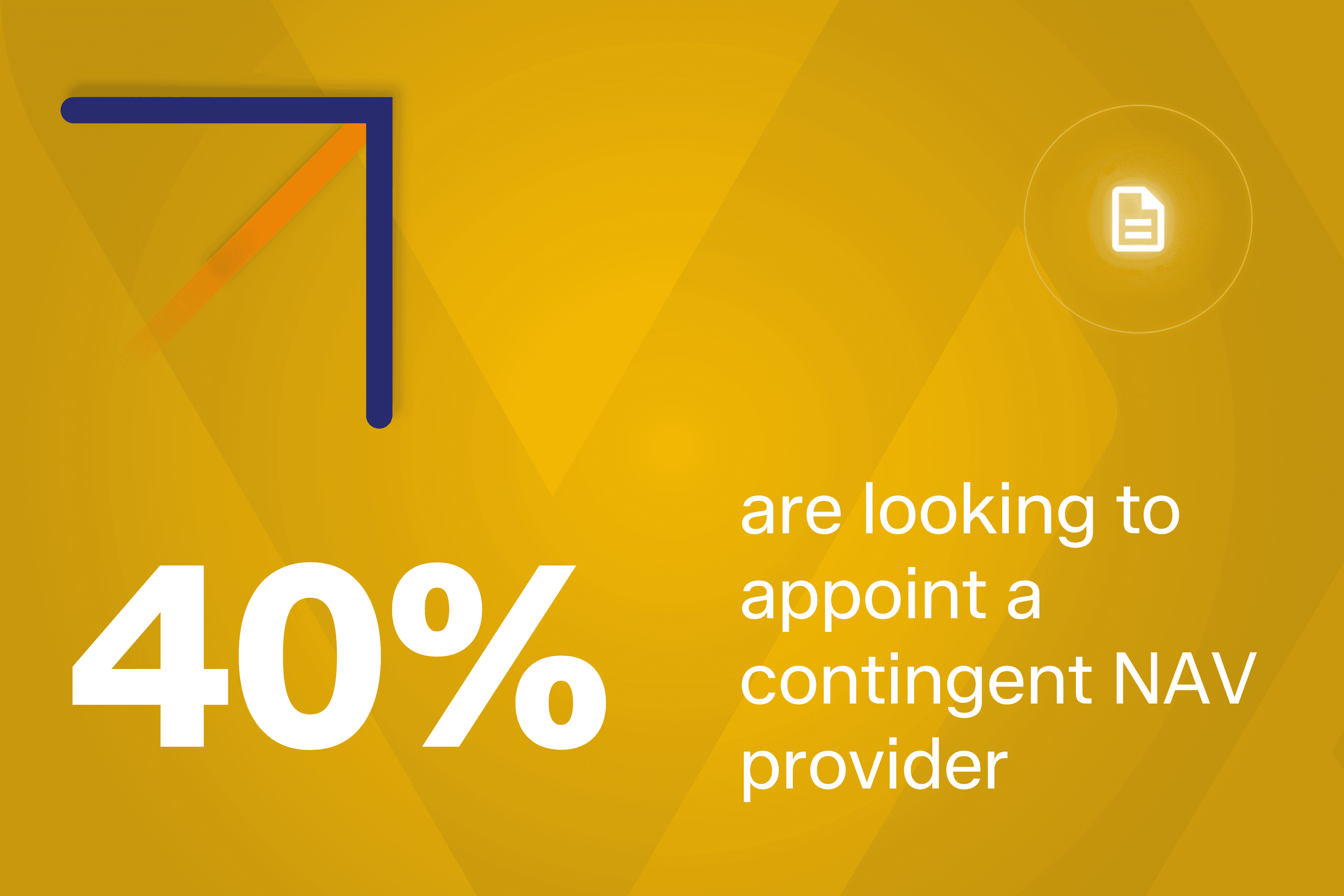
The root issue for the industry is no longer late NAVs, it’s corrected NAVs.
As firms look to speed up, process resilience now matters more than speed alone.
Real-time visibility
Client demand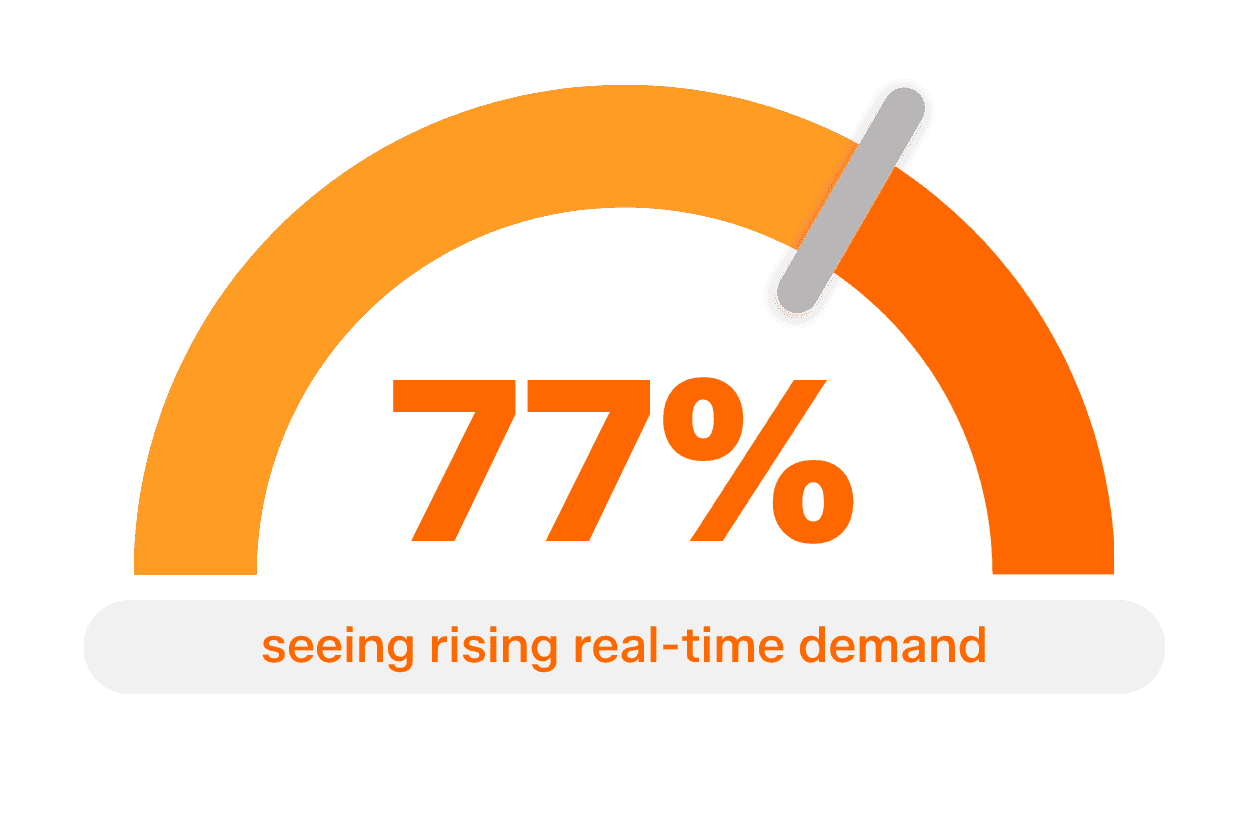
Settlement compression and shifting customer pressures are magnifying operational vulnerabilities.
Settlement compression and shifting customer pressures are magnifying operational vulnerabilities.
The demands on NAV production are increasing.
More complex portfolios, T+1 settlement, growing expectations for real-time visibility and persistent data friction are all adding pressure to investment accounting processes.
Our latest research shows how firms are responding.
The five core themes changing the shape of investment accounting
The five problem statements for scaling today’s processing infrastructure
Time being identified as the biggest problem
How NAV production is transforming
The research also examines the pressures behind these decisions, including T+1, data and system friction, corrected NAVs, distributor relationships and growing operational complexity.
With just over 30% of total operations spend allocated to trade processing, valuation and reporting, investment accounting is already a significant cost base. The question for firms is how that spend can support more resilient and scalable NAV production.
Keep reading — it's free
Verify your email to read this content
Ask the Xchange AI
Have a question about our research? Ask our AI assistant for specific insights.
SHARE THIS INSIGHT

Discover More
View All Insights
Xchange brief
22 October 2026
They have crossed from retail speculation into regulated financial market infrastructure: USD 63bn market grows by 300% per annum.
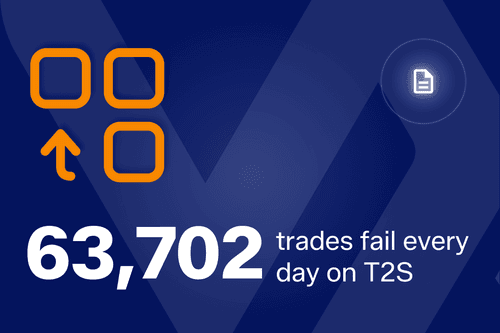
Report
21 October 2026
Explore why connected data flows are key to improving European settlement efficiency ahead of T+1.

Xchange brief
20 October 2026
USD 822bn cumulative volume in first five months of 2026. Perpetual futures are migrating into regulated capital markets.
Xchange brief
16 October 2026
T+1, tokenisation, 23x5 trading, and clearing mandates shift from rulebooks to live infrastructure. Are you ready?