New post-trade operating model - settlements: whitepaper
Understanding why settlements are transforming and what firms need to do to prepare for the next post-trade operating model.
In Partnership with


Part one of the series examines how T+1 is reshaping post-trade operations. It explores the role of affirmations, T+0 allocations and confirmations, real-time inventory management and the growing pressure on FX and securities lending under shorter settlement cycles.
T+0 allocations critical
Operations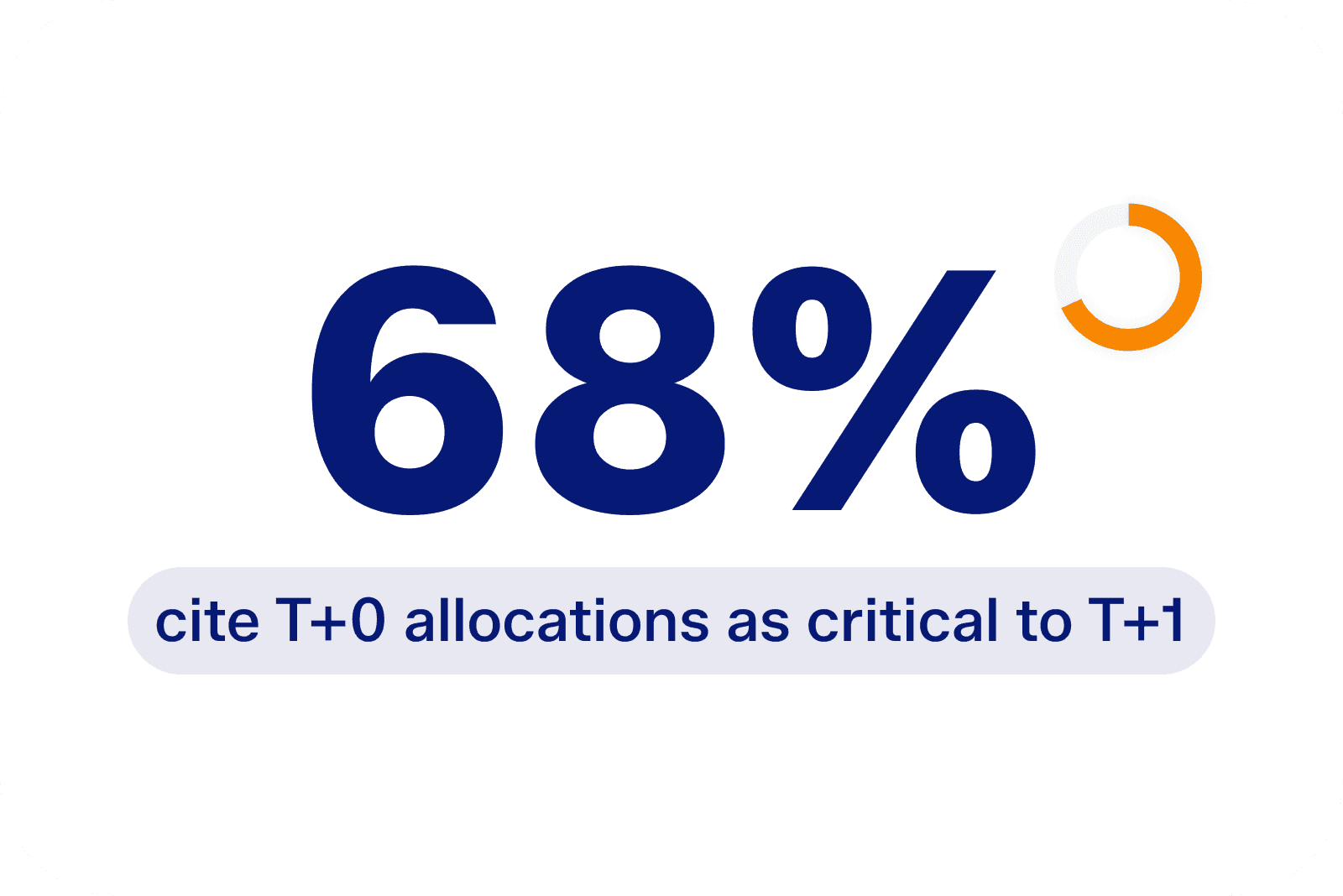
Completing allocations on trade date was also identified as a priority by the UK Accelerated Settlement Taskforce — a genuine point of market-wide consensus.
Firms that have not yet automated allocations face the clearest and most immediate execution risk ahead of their T+1 deadlines.
FX spreads rise
Cost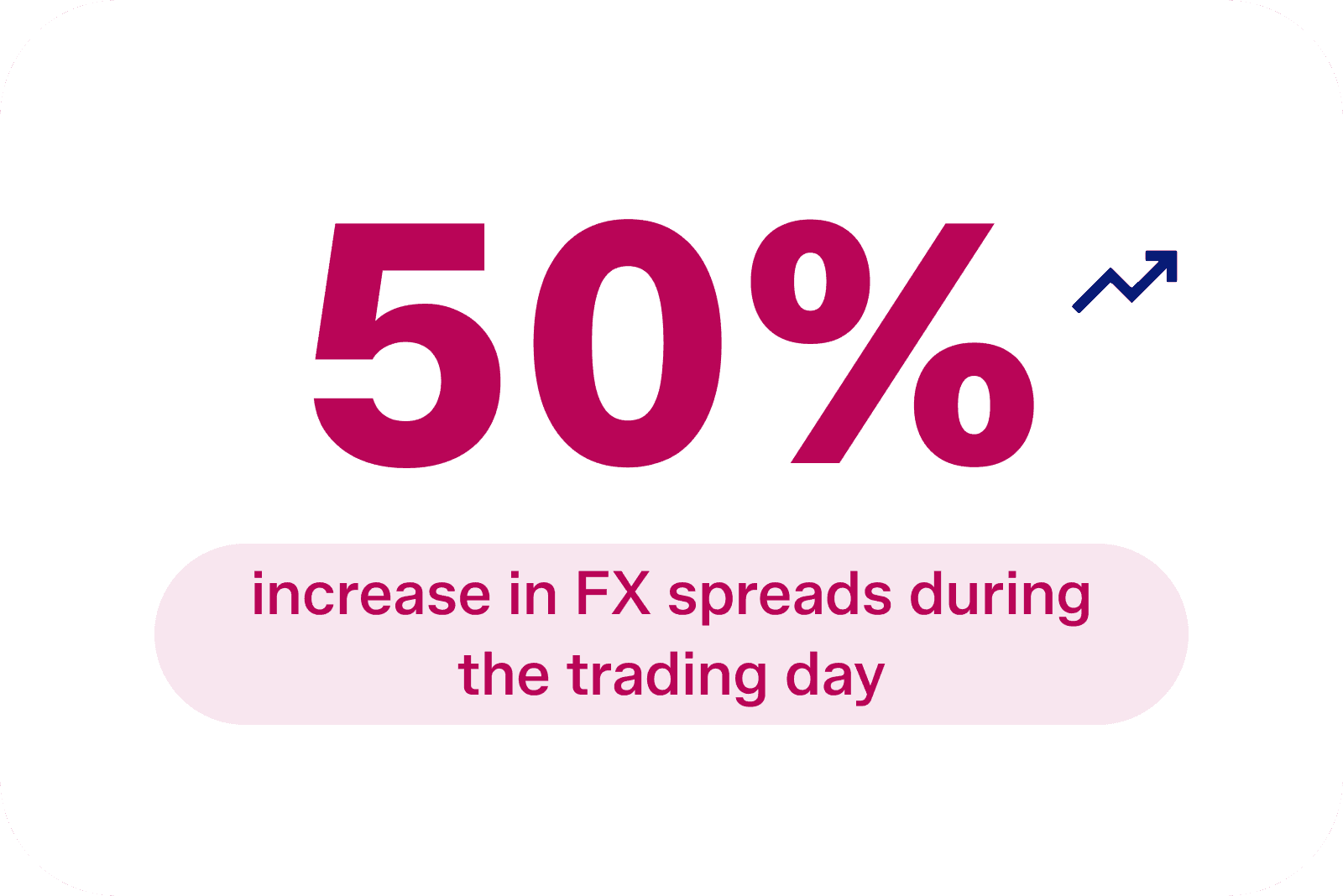
A significant share of firms have now moved gross FX execution into the trading day — increasing both timing pressure and per-transaction cost.
As more firms make the same adjustment, liquidity in the trading-day window may compress further.
Hiring fills gaps
Resources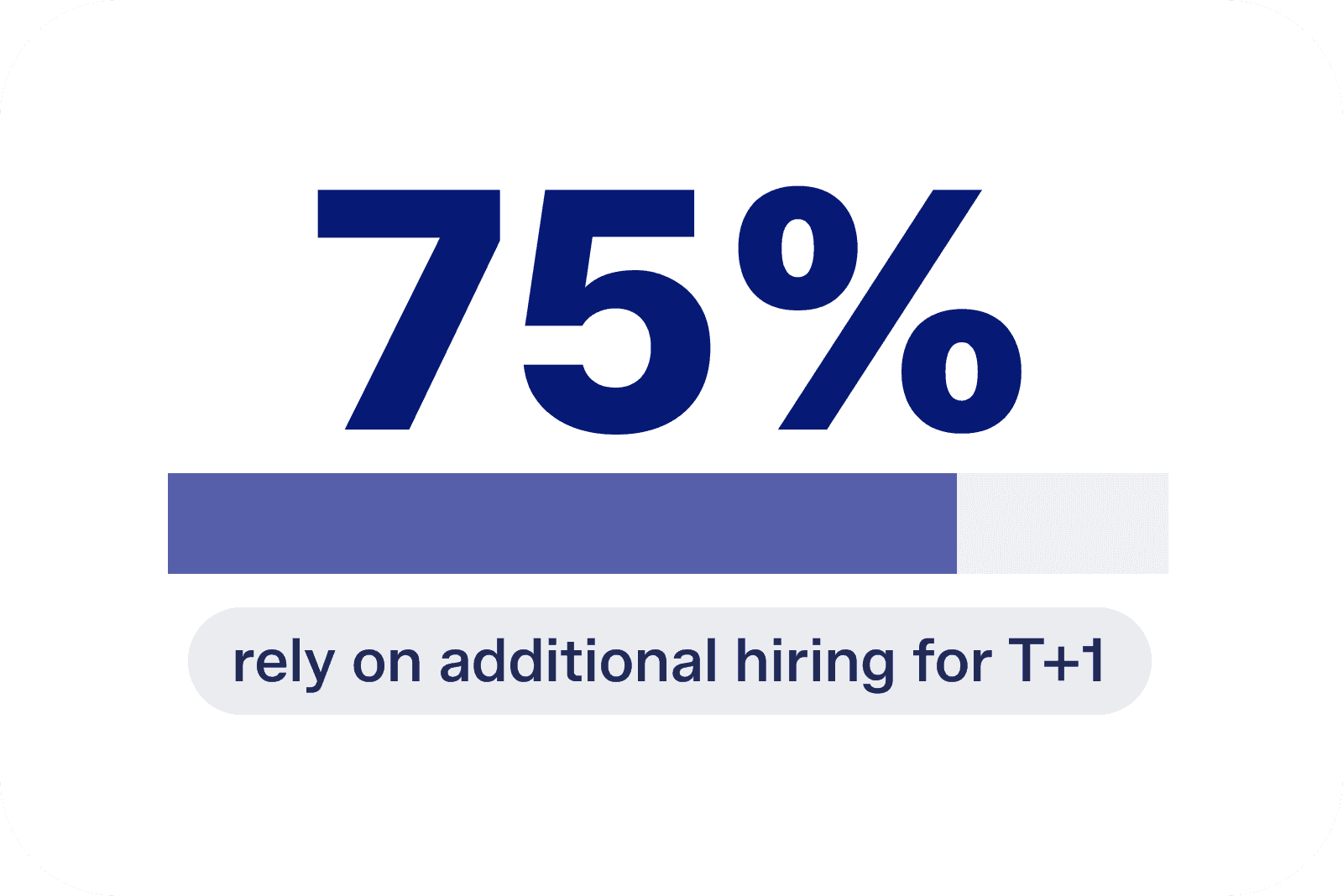
This reliance on manual support is pushing staffing costs up by as much as 20%, particularly outside normal business hours.
Hiring is a transitional response, not a scalable one — firms that do not automate will face rising costs as volumes grow.
Settlement transformation is no longer a regional issue. As North America moves to T+1, other markets are preparing to accelerate their own settlement cycles and firms are being forced to rethink how they manage execution, funding and operational control.
What will define successful settlement transformation as more markets move towards T+1? Where are firms already seeing the greatest pressure as settlement windows compress?
Part one of the series examines why post-trade settlement is evolving and what firms need to do to navigate the transition. It looks at the role of affirmations, T+0 allocations and confirmations, real-time inventory management, and the impact of tighter settlement windows on foreign exchange (FX) and securities lending.
The research, produced in partnership with S&P Global Market Intelligence, highlights:
68% cite T+0 allocations as critical: completing allocations on trade date is seen as a key requirement for a smooth transition to T+1
Firms executing gross FX during the trading day have seen spreads rise by up to 50% as timing pressure increases
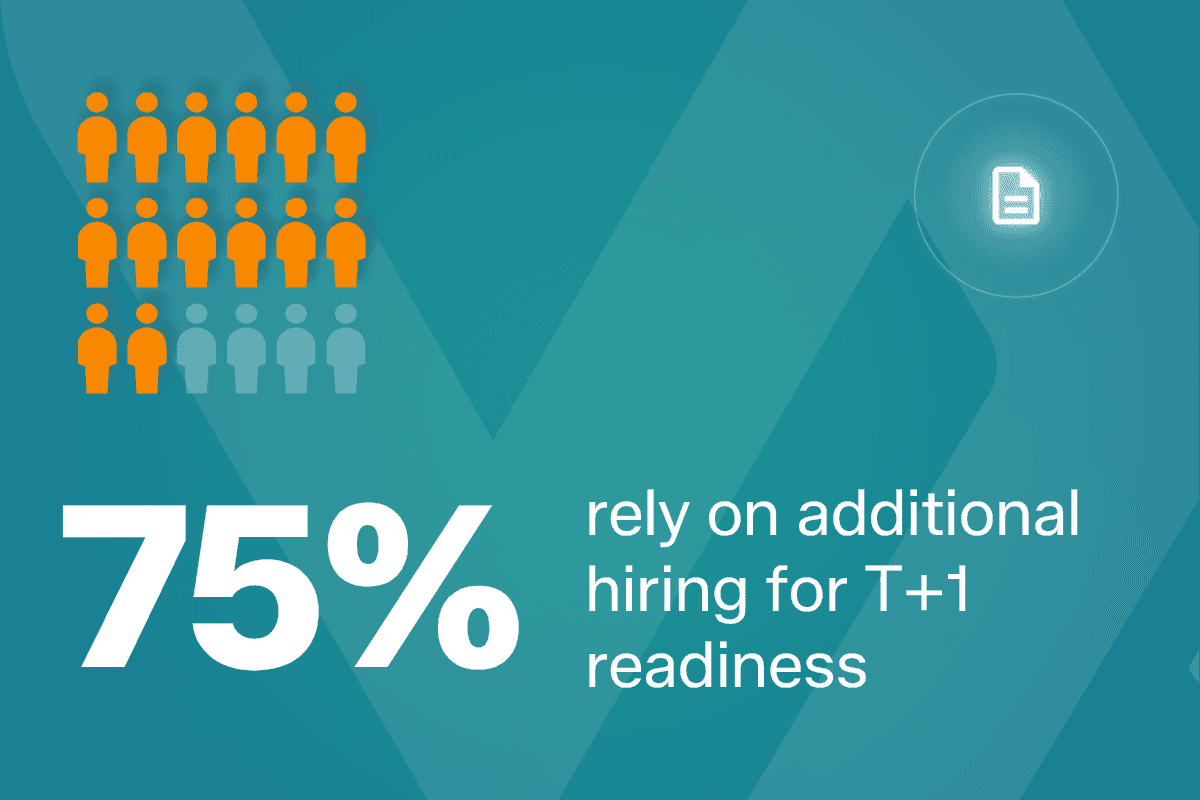
75% rely on additional hiring: manual support remains a key enabler of T+1 readiness, but it is also pushing staffing costs up by as much as 20%
Keep reading — it's free
Verify your email to read this content
Ask the Xchange AI
Have a question about our research? Ask our AI assistant for specific insights.
SHARE THIS INSIGHT

Discover More
View All Insights
Xchange brief
22 October 2026
They have crossed from retail speculation into regulated financial market infrastructure: USD 63bn market grows by 300% per annum.
Report
21 October 2026
Explore why connected data flows are key to improving European settlement efficiency ahead of T+1.

Xchange brief
20 October 2026
USD 822bn cumulative volume in first five months of 2026. Perpetual futures are migrating into regulated capital markets.
Xchange brief
16 October 2026
T+1, tokenisation, 23x5 trading, and clearing mandates shift from rulebooks to live infrastructure. Are you ready?