New post-trade operating model - corporate actions: whitepaper
A clearer view of why corporate actions are changing, where complexity is increasing and how firms can respond more effectively.
In Partnership with

Part two of the series examines how volumes, complexity and shareholder engagement are reshaping corporate actions. It explores the role of ISO 20022, the impact of manual workflows and the technologies firms are using to improve scale, control and efficiency.
T+0 allocations critical
Operations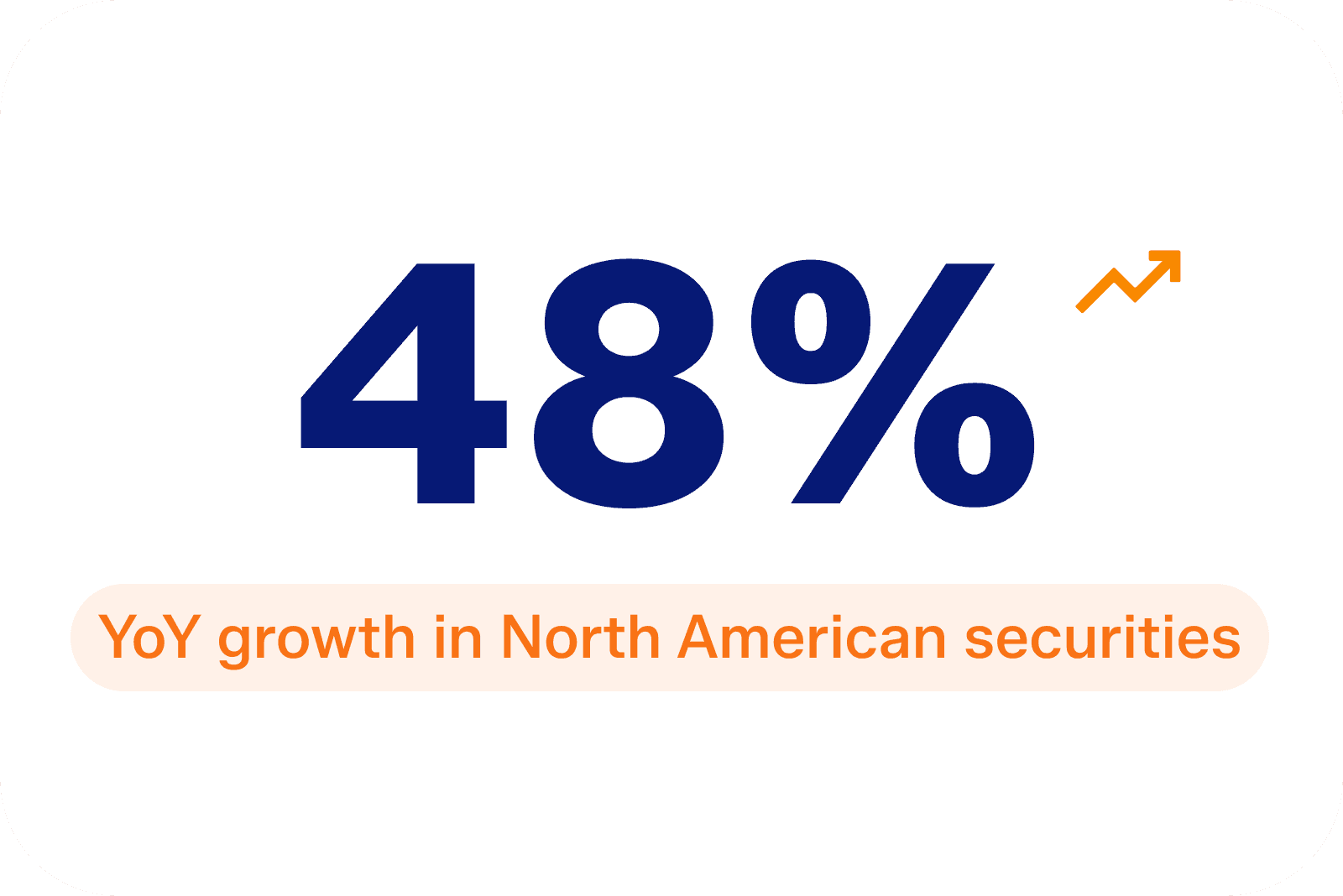
Europe is also expanding strongly year-on-year, while asset servicing costs are rising in parallel — widening the gap between volume and efficiency.
Firms that have not yet automated allocations face the clearest and most immediate execution risk ahead of their T+1 deadlines.
FX spreads rise
Cost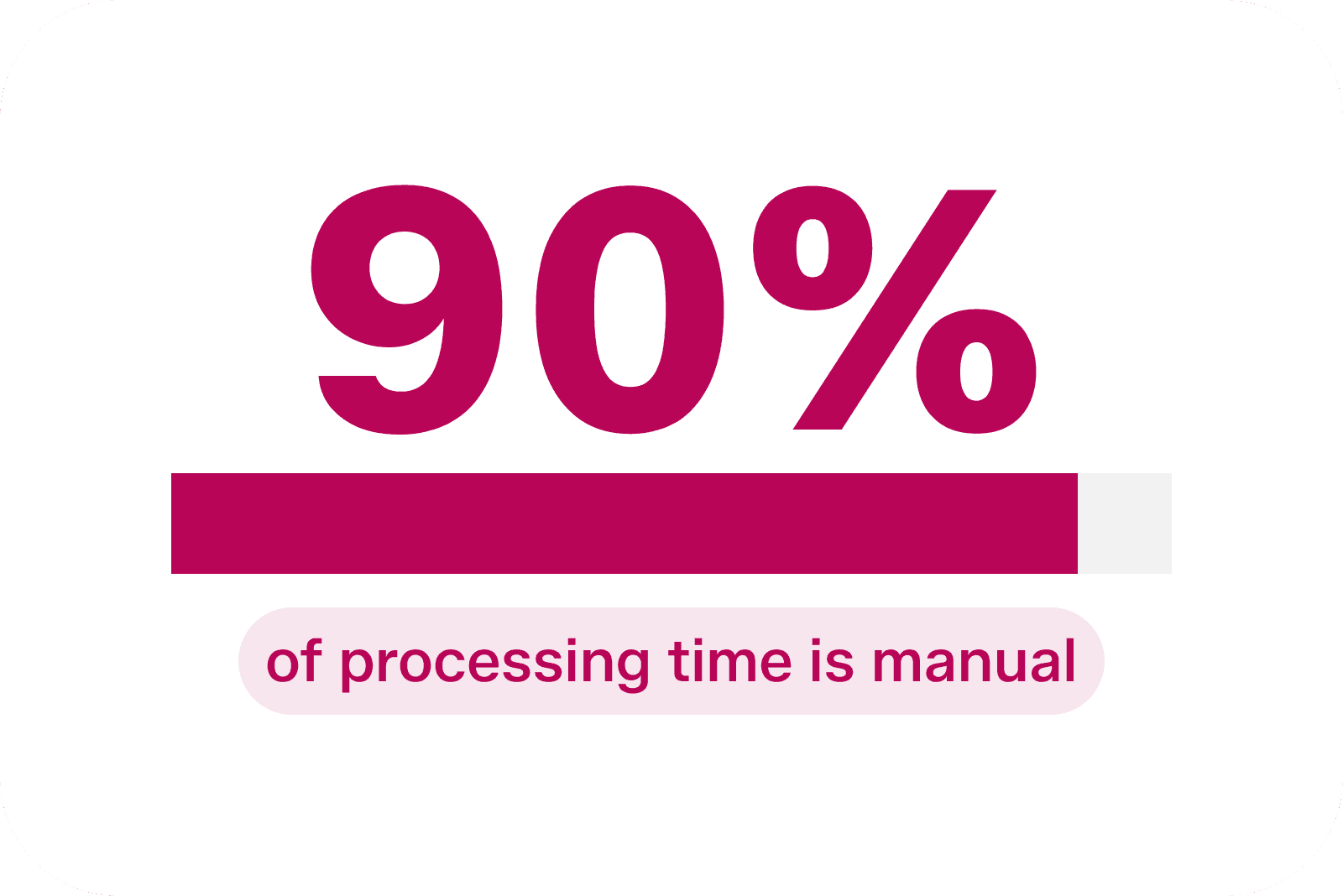
Investors often receive multiple versions of the same event and must rationalise them before making a decision — adding effort that automation would remove.
As more firms make the same adjustment, liquidity in the trading-day window may compress further.
Hiring fills gaps
Resources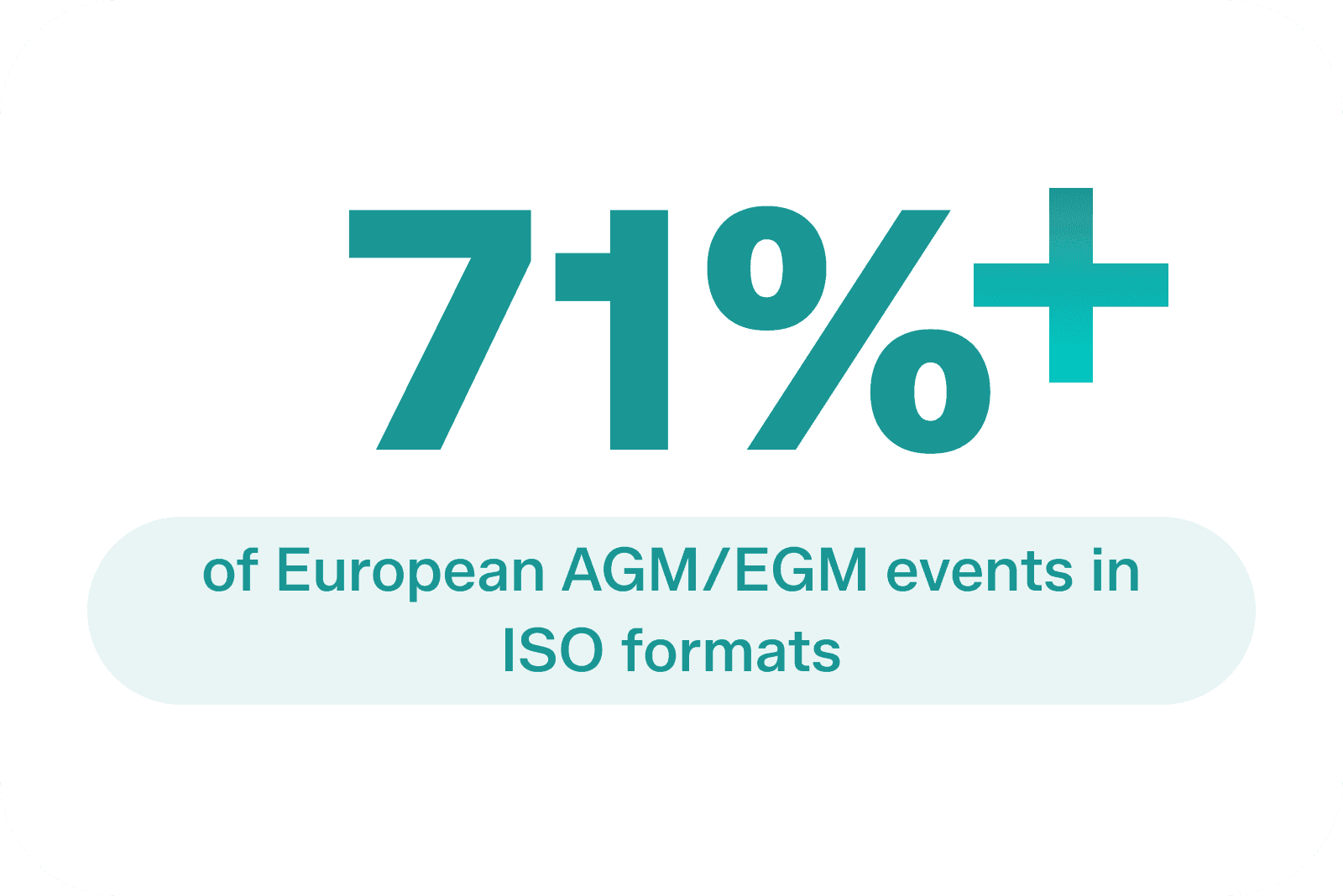
Standardisation in event distribution is improving, though richer ISO 20022 data can still create early processing challenges for unprepared firms.
Hiring is a transitional response, not a scalable one — firms that do not automate will face rising costs as volumes grow.
Corporate actions are becoming more complex as volumes rise, shareholder engagement grows and operational demands increase across the lifecycle. The challenge for firms is no longer simply processing events. It is creating workflows that can support scale, transparency and faster decision-making.
What is driving the next phase of change in corporate actions? How can firms reduce manual burden while building more resilient and standardised processing models?
Part two of the series examines the pressures reshaping corporate actions and the strategies that could redefine operational workflows. It explores the role of ISO 20022 in supporting standardisation, as well as the growing importance of artificial intelligence (AI), automation and a more unified corporate actions ecosystem.
The research, produced in partnership with S&P Global Market Intelligence, highlights:
North America up 48% year on year: securities holdings are growing fastest in North America, while Europe is also expanding by 25% year on year
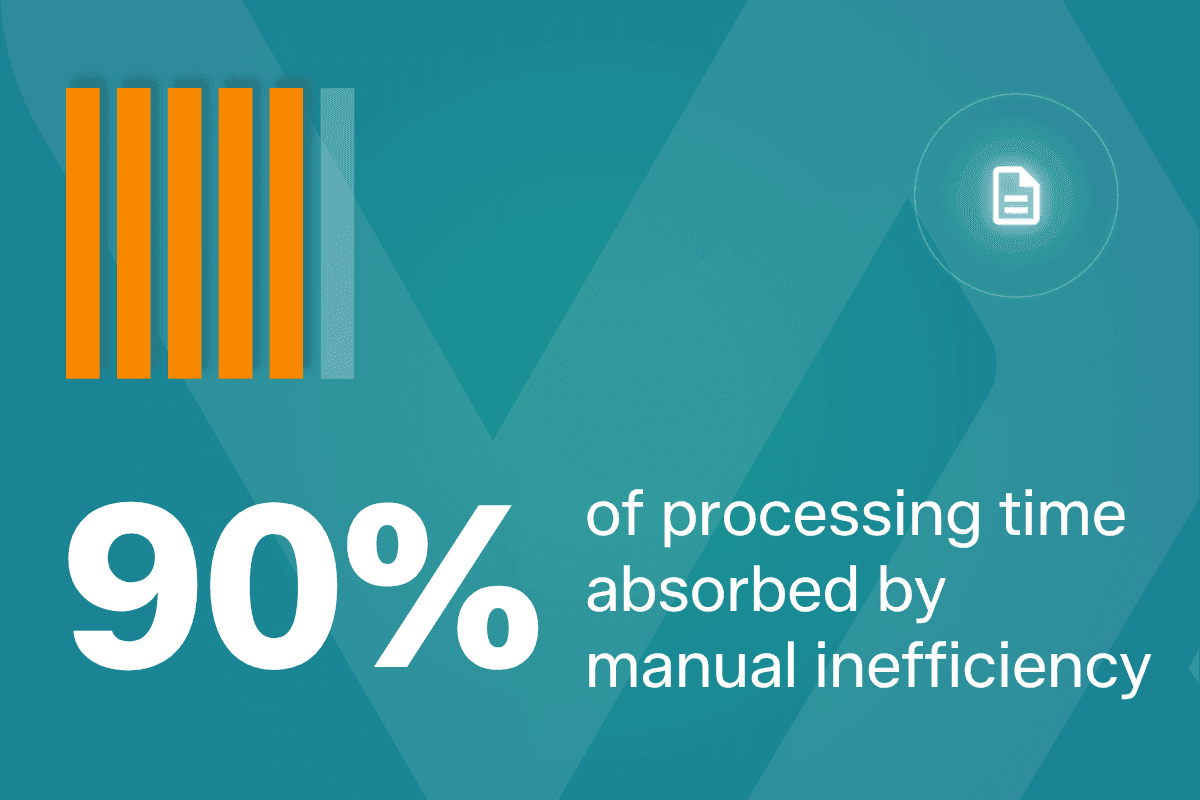
90% of time absorbed by manual inefficiency: manual processes, deadline buffers and duplicated event review continue to dominate operational effort
Since Shareholder Rights Directive (SRD) II, more than 71% of European Annual General Meeting (AGM) and Extraordinary General Meeting (EGM) announcements have been distributed in ISO 20022 or ISO 15022 formats
Keep reading — it's free
Verify your email to read this content
Ask the Xchange AI
Have a question about our research? Ask our AI assistant for specific insights.
SHARE THIS INSIGHT

Discover More
View All Insights
Xchange brief
22 October 2026
They have crossed from retail speculation into regulated financial market infrastructure: USD 63bn market grows by 300% per annum.
Report
21 October 2026
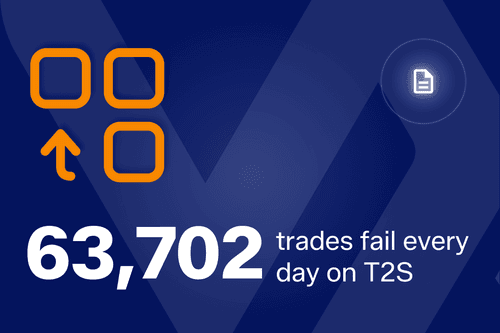
Explore why connected data flows are key to improving European settlement efficiency ahead of T+1.
Xchange brief
20 October 2026
USD 822bn cumulative volume in first five months of 2026. Perpetual futures are migrating into regulated capital markets.
Xchange brief
16 October 2026
T+1, tokenisation, 23x5 trading, and clearing mandates shift from rulebooks to live infrastructure. Are you ready?