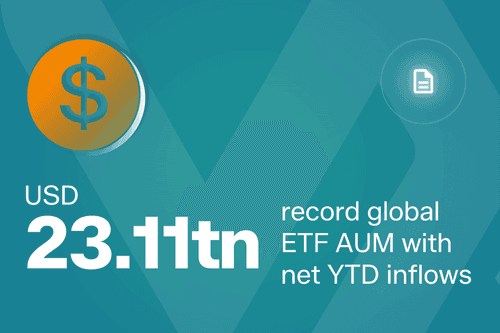
New post-trade operating model - what does it look like?: whitepaper
What the new post-trade operating model looks like as firms redesign operations for greater scale and resilience.
In Partnership with


Part three of the series examines how the post-trade operating model is evolving to meet faster settlement, real-time data demands and broader asset class coverage. It explores how firms are using predictive analytics, artificial intelligence (AI)-driven exception management and integrated platforms to improve resilience and scale.
T+0 allocations critical
Operations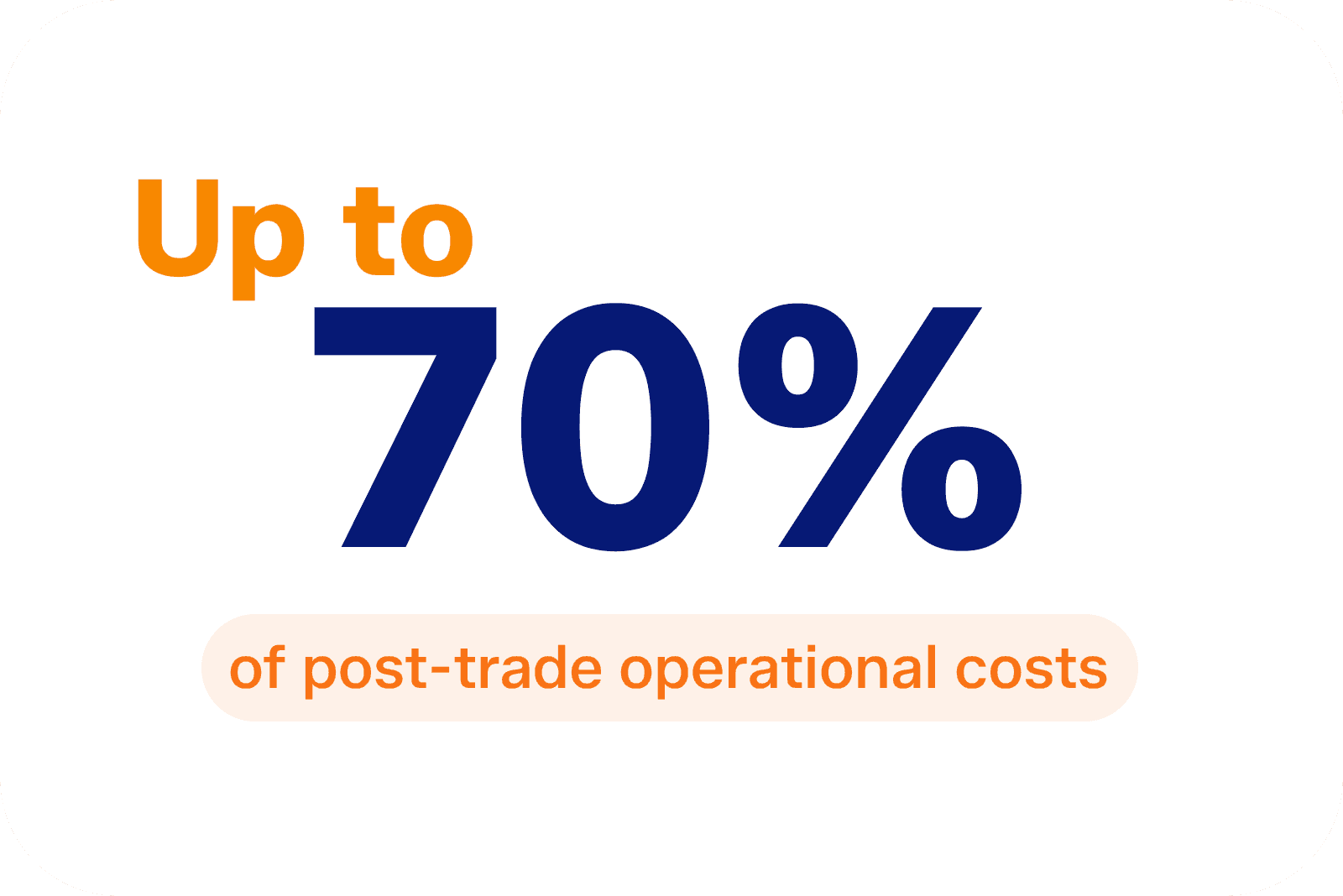
Predictive analytics and AI tools are helping firms resolve exceptions faster and reduce the operational cost associated with them.
Firms that have not yet automated allocations face the clearest and most immediate execution risk ahead of their T+1 deadlines.
FX spreads rise
Cost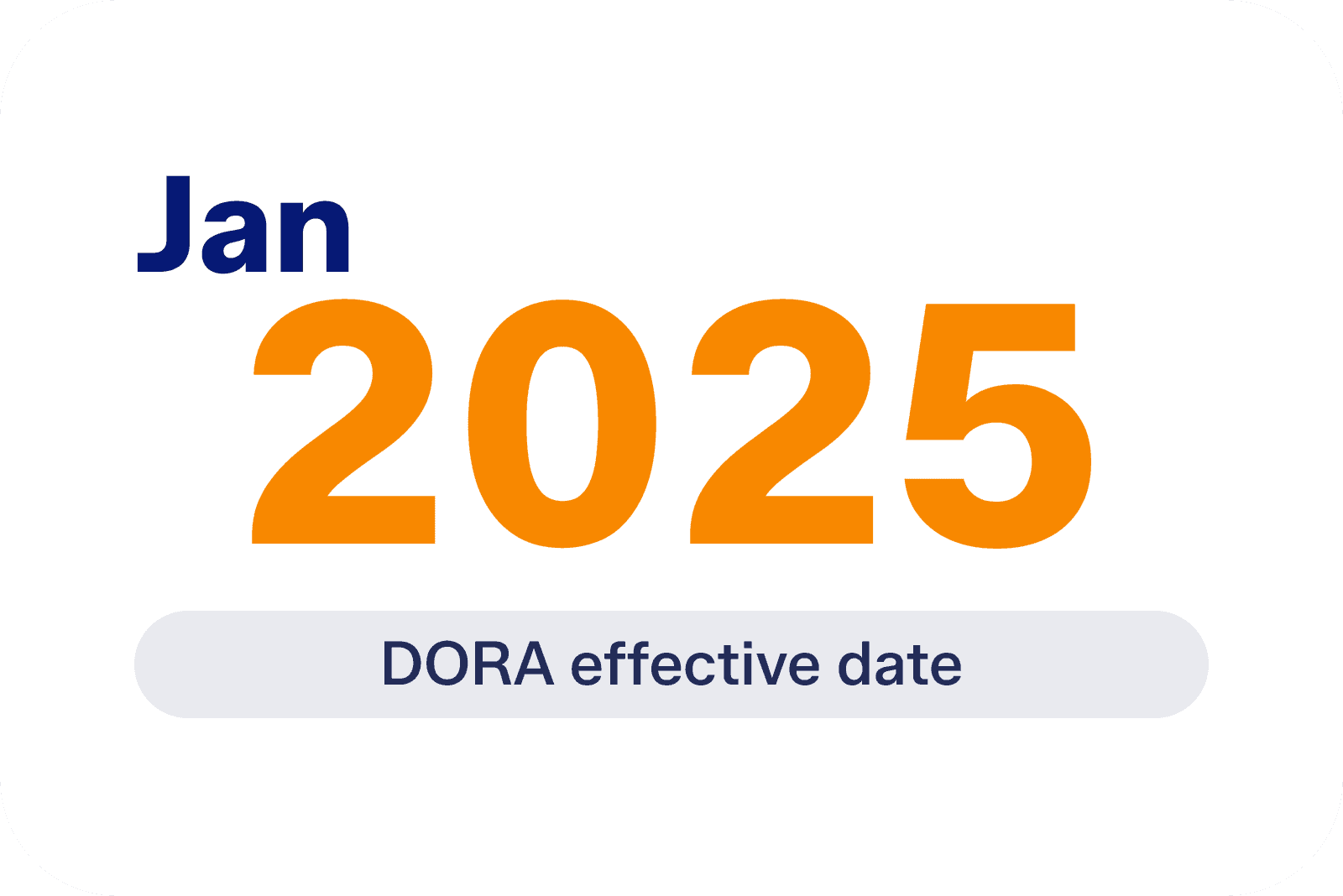
Operational resilience is no longer optional — DORA has made it a regulatory baseline for EU financial institutions.
As more firms make the same adjustment, liquidity in the trading-day window may compress further.
Hiring fills gaps
Resources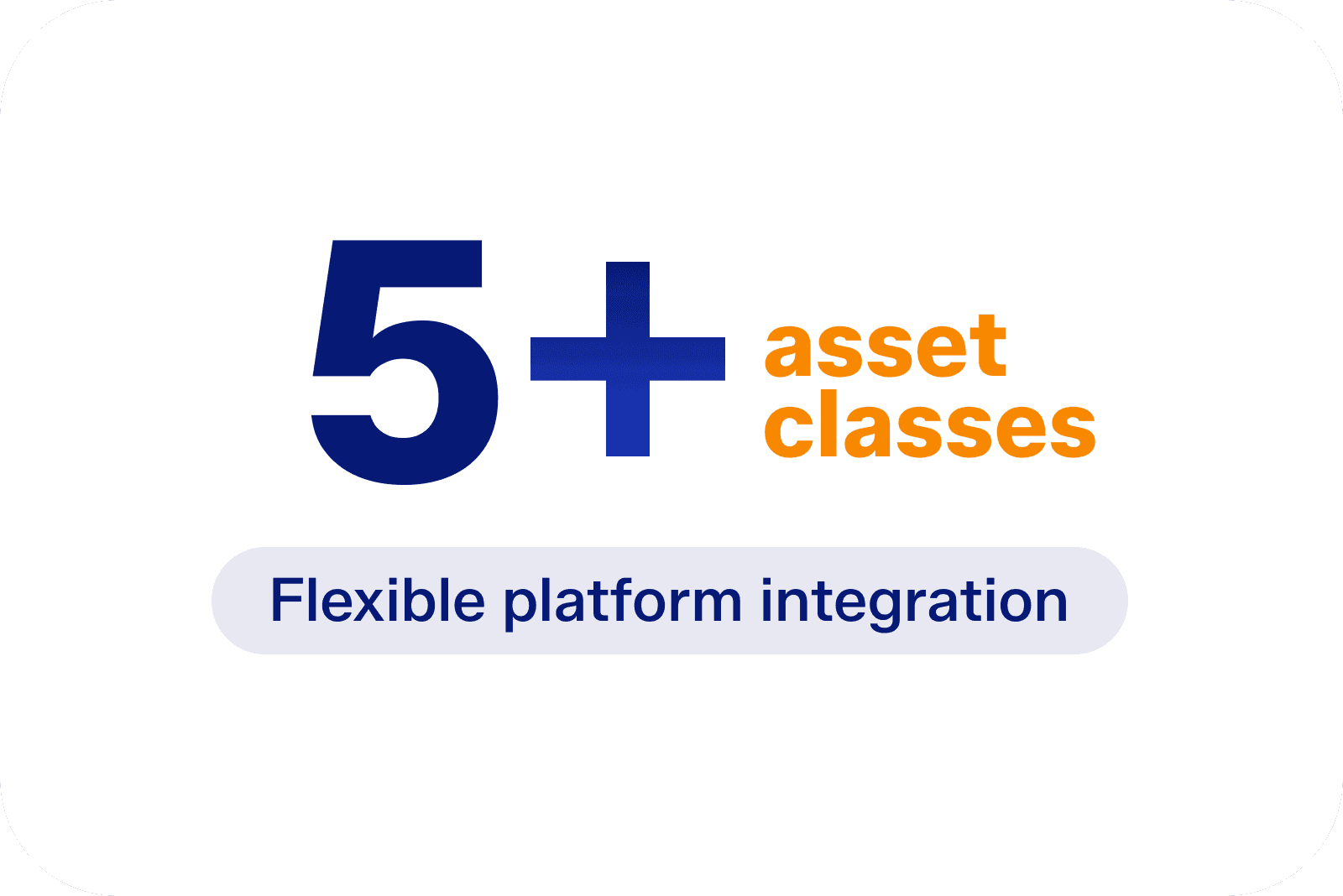
Systems now need to accommodate rising volumes while adapting to a broader range of asset types.
Hiring is a transitional response, not a scalable one — firms that do not automate will face rising costs as volumes grow.
Post-trade operations are being redesigned as faster settlement, broader asset coverage and growing resilience requirements place more pressure on legacy models. The shift is no longer only about efficiency. It is about building an operating model that can adapt to higher speed, more complexity and tighter control expectations.
What does a scalable post-trade operating model now require? How are firms using data, automation and platform integration to reduce friction and improve resilience?
Part three of the series examines how firms are rethinking post-trade architecture to meet the demands of accelerated settlement, real-time information and expanding product complexity. It looks at predictive analytics, AI-driven exception management and integrated operational platforms as building blocks of a more future-ready model.
The research, produced in partnership with S&P Global Market Intelligence, highlights:
Exception management continues to absorb significant operational effort, prompting greater use of predictive analytics and AI tools
January 2025 European Union (EU) Digital Operational Resilience Act (DORA) deadline: operational resilience is becoming more urgent as the EU's DORA comes into force
Firms need systems that can support rising volumes across both traditional and emerging asset types
Keep reading — it's free
Verify your email to read this content
Ask the Xchange AI
Have a question about our research? Ask our AI assistant for specific insights.
SHARE THIS INSIGHT

Discover More
View All Insights
Xchange brief
22 October 2026
They have crossed from retail speculation into regulated financial market infrastructure: USD 63bn market grows by 300% per annum.
Report
21 October 2026
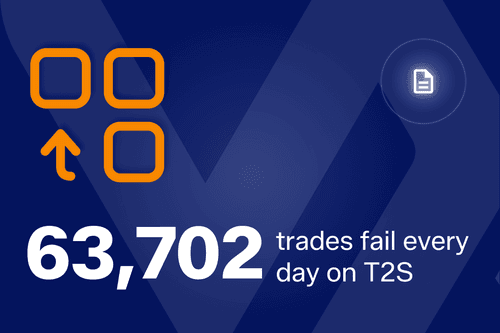
Explore why connected data flows are key to improving European settlement efficiency ahead of T+1.
Xchange brief
20 October 2026
USD 822bn cumulative volume in first five months of 2026. Perpetual futures are migrating into regulated capital markets.
Xchange brief
16 October 2026
T+1, tokenisation, 23x5 trading, and clearing mandates shift from rulebooks to live infrastructure. Are you ready?