
Scaling today’s carbon markets - a new market blueprint: report
A new blueprint for scaling voluntary carbon markets more efficiently.
In Partnership with


Voluntary carbon markets are growing in scale and geographic reach, but manual processes and market fragmentation continue to limit efficiency and transparency. This report examines the structural barriers to growth, the role of registries and the changes needed to support a more scalable market model.
Carbon market value
Scale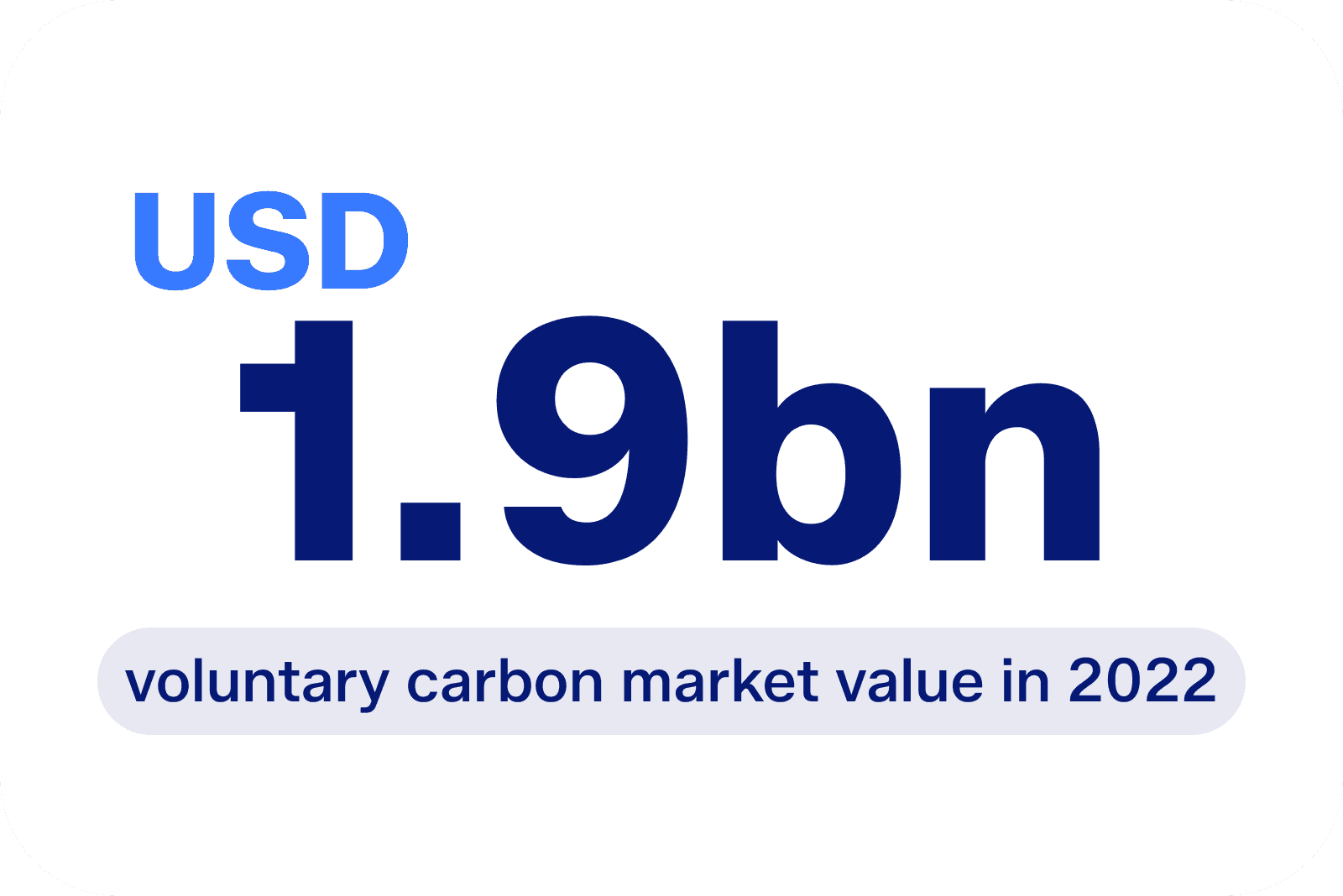
Twenty-five years after the first carbon credit trade, the market has reached commercial scale — but its operational infrastructure has not kept pace.
254 million carbon credits were transacted in 2022, underlining the volumes still being absorbed by manual processes.
Still manual today
Operations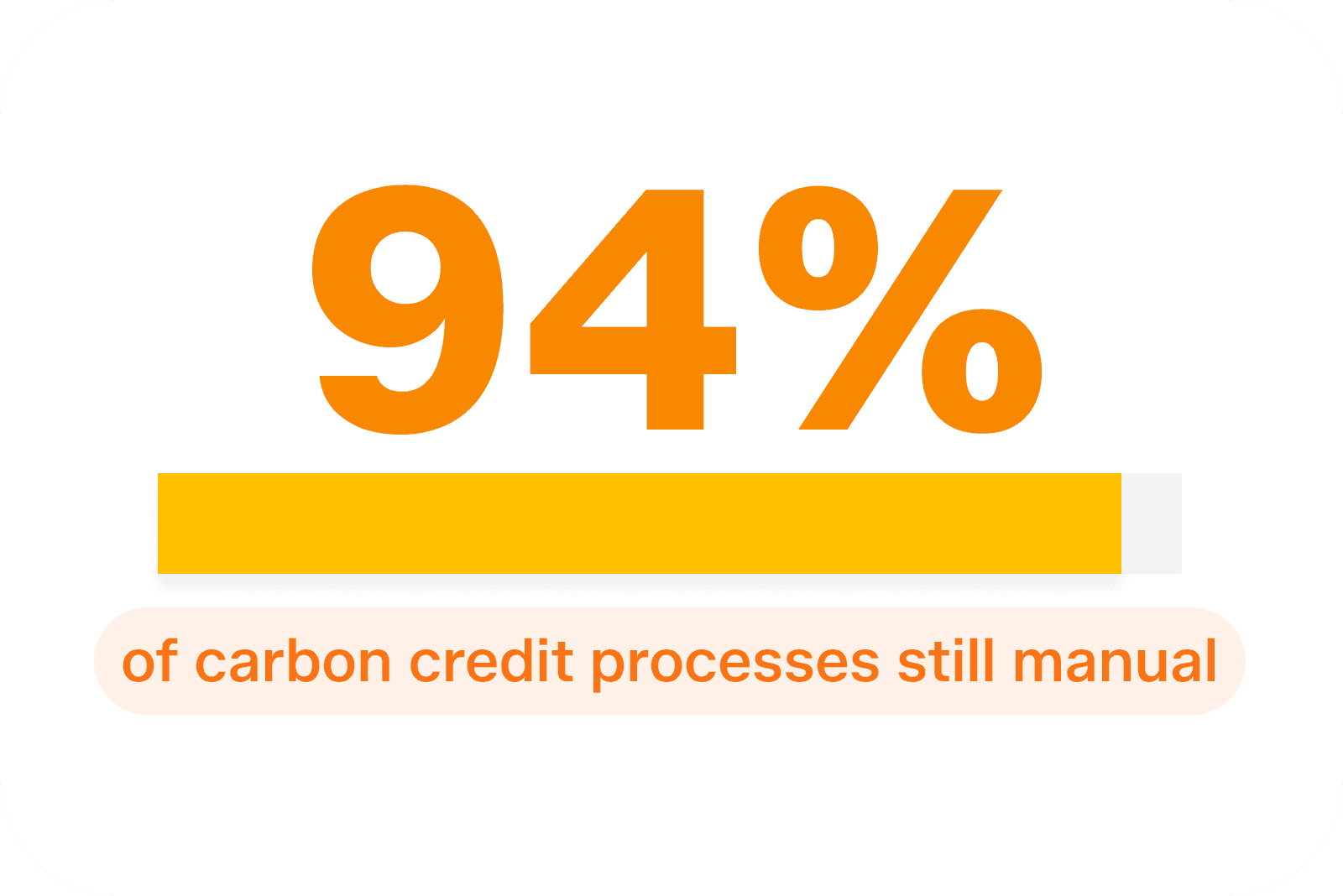
Phone calls and emails continue to dominate core trading and issuance activity — increasing cost, risk and constraints on scale.
The operating model remains largely manual and has not kept pace with the market’s commercial ambition.
Registries lead change
Infrastructure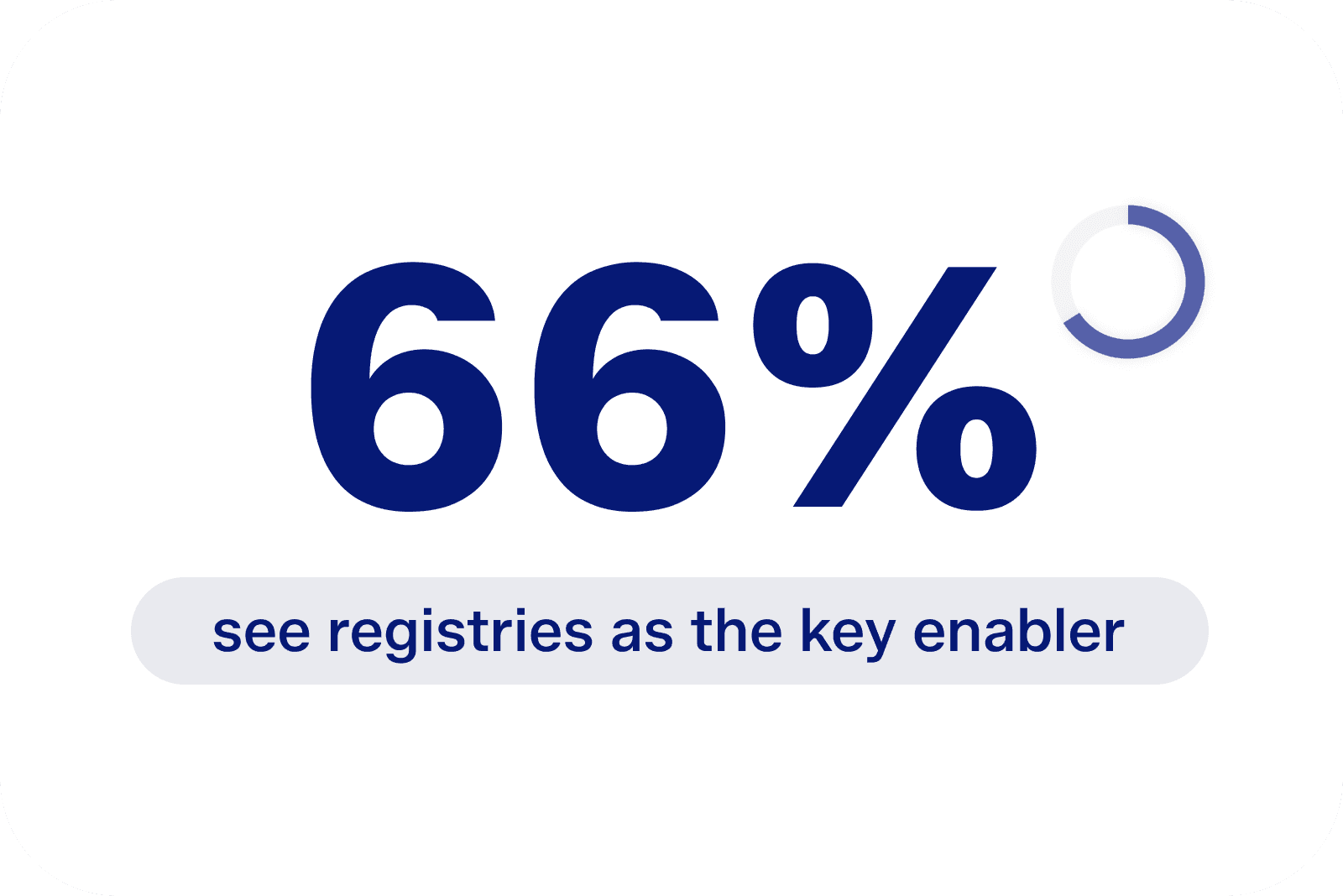
Registries are viewed as central to advancing standardisation, automation and transparency — the three conditions the market needs to scale credibly.
Without registry reform, improvements elsewhere in the chain will remain fragmented and commercially limited.
Voluntary carbon markets are becoming more important to climate strategy, but their ability to scale remains constrained by operational inefficiency, fragmentation and limited standardisation. As participation expands, the challenge is to build market structure that can support greater volume, transparency and trust.
What is stopping voluntary carbon markets from scaling more effectively? What changes in infrastructure, process and governance are needed to support a more efficient and credible market?
The report draws on a global survey of 135 industry leaders to examine the structural challenges facing voluntary carbon markets and the steps needed to unlock broader growth. It explores price transparency, market fragmentation, the diversity of carbon credit use cases and the role of registries and technology in improving standardisation and scalability.
The research, produced in partnership with Nasdaq, highlights:
Voluntary carbon markets reached a global value of US dollar (USD) 1.9 billion in 2022 across 98 countries
94% of processes remain manual: most of the current trade cycle still relies on manual workflows, increasing cost, risk and constraints on scale
66% see registries as critical: respondents view registries as the most important enabler of market improvement, particularly in standardisation, automation and transparency
254 million carbon credits transacted: the scale of activity is already significant, reinforcing the need for stronger market infrastructure
Keep reading — it's free
Verify your email to read this content
Ask the Xchange AI
Have a question about our research? Ask our AI assistant for specific insights.
SHARE THIS INSIGHT

Discover More
View All Insights
Xchange brief
22 October 2026
They have crossed from retail speculation into regulated financial market infrastructure: USD 63bn market grows by 300% per annum.
Report
21 October 2026
Explore why connected data flows are key to improving European settlement efficiency ahead of T+1.

Xchange brief
20 October 2026
USD 822bn cumulative volume in first five months of 2026. Perpetual futures are migrating into regulated capital markets.

Xchange brief
16 October 2026
T+1, tokenisation, 23x5 trading, and clearing mandates shift from rulebooks to live infrastructure. Are you ready?