How SC60 affects digital asset capital treatment: factsheet
How could SC60 change the capital treatment of digital assets for firms building tokenised networks?

In Partnership with


SC60 links digital asset network design directly to capital treatment, creating a clearer regulatory dividing line for banks and market participants. This factsheet examines the potential impact of 1250% risk-weighted asset provisions, current levels of market awareness and the operational questions firms need to address.
SC60 capital shock
Regulation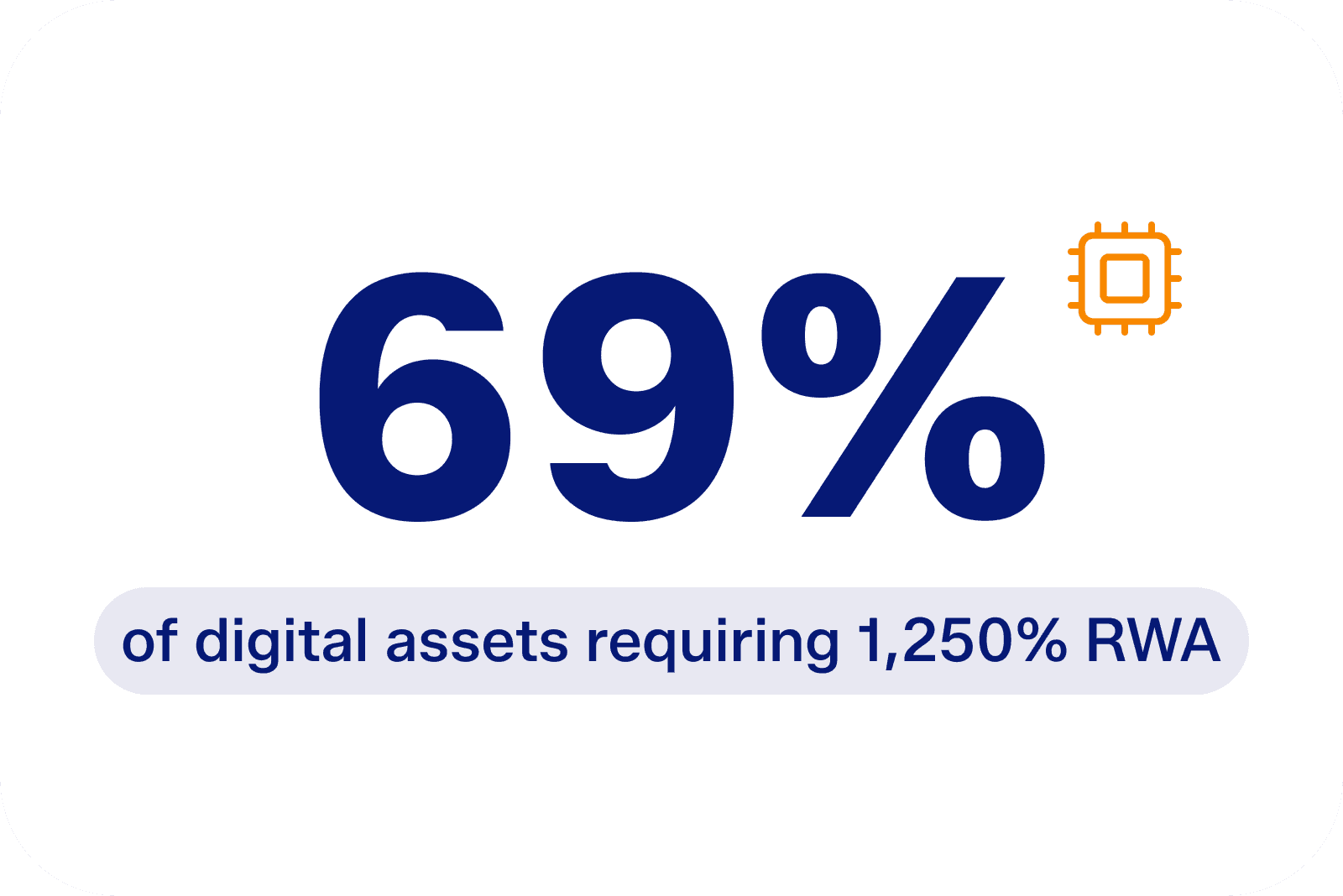
SC60 directly links digital asset network design to regulatory capital requirements — making design decisions a capital issue.
Firms building digital asset networks today are already making choices that will determine their SC60 exposure.
Rights equivalence confidence
Compliance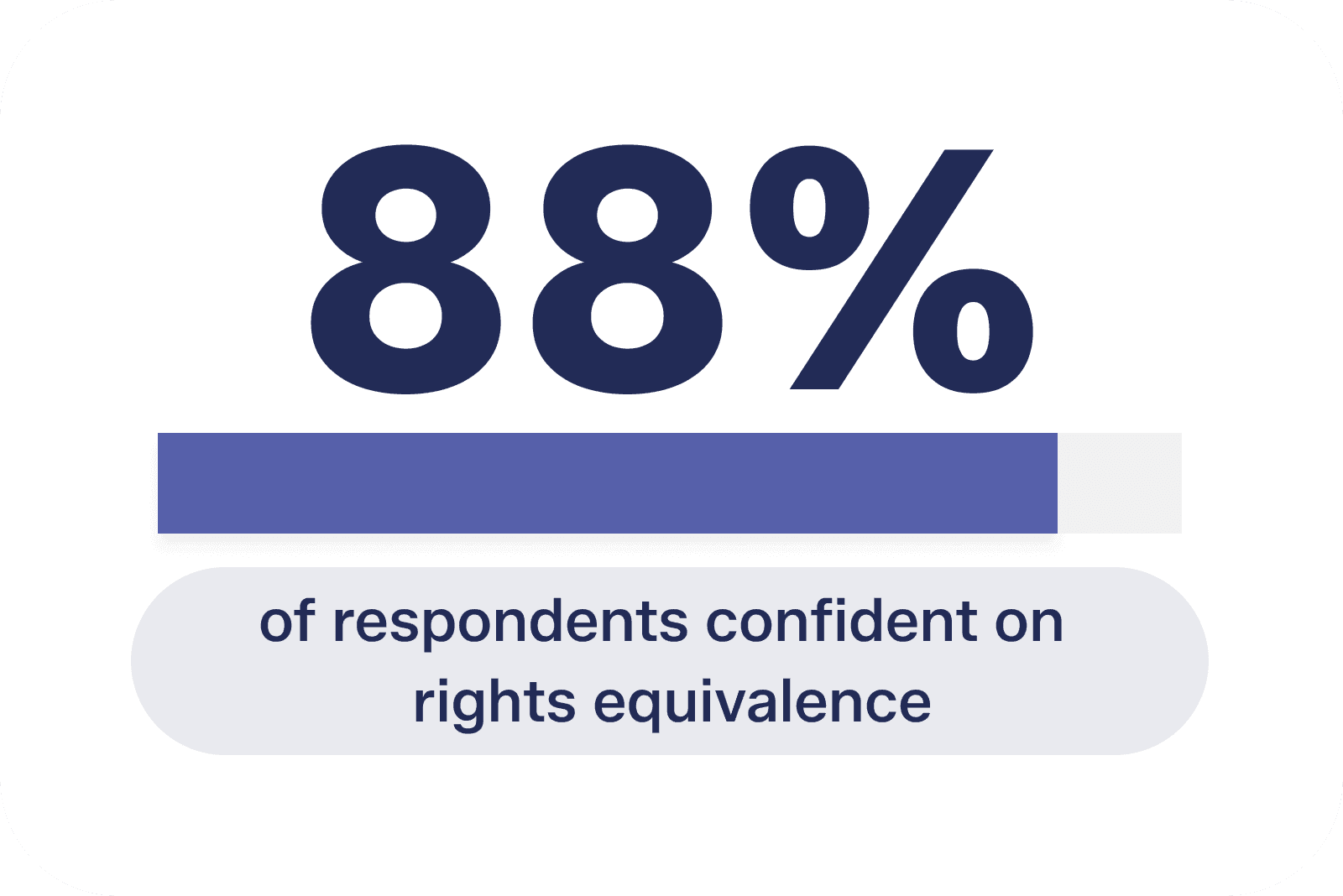
SC60 tests whether digital assets behave like their traditional counterparts, with rights equivalence treated as a compliance requirement rather than a design choice.
Confidence is high, but the regulatory test is likely to be more demanding than self-assessment.
Pegging mechanism resilience
Risk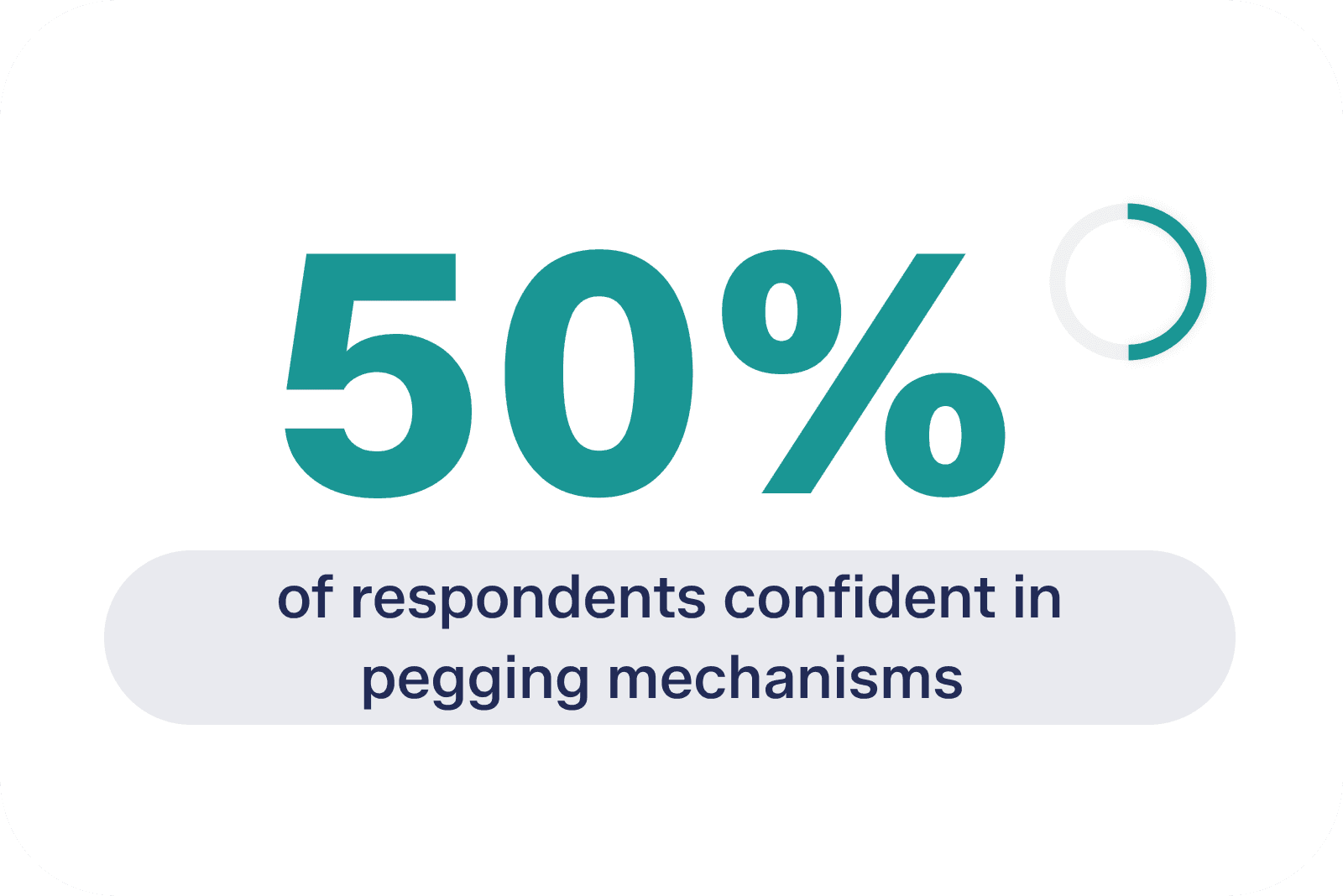
SC60 places particular emphasis on pegging strength — and only half the market believes current mechanisms are robust enough.
The other half carries meaningful exposure if stress scenarios are used to test regulatory capital treatment.
SC60 could materially change how digital assets are treated from a capital perspective. For firms building or using tokenised asset networks, the question is no longer only about innovation or connectivity. It is about whether design decisions could trigger a significantly higher regulatory capital burden.
How exposed are firms to the new SC60 framework? Where are the main uncertainties around rights, control and the resilience of digital asset structures?
The factsheet examines how the Bank for International Settlements (BIS)'s SC60 framework affects digital asset models and where firms may face the greatest regulatory and capital impact. It explores awareness levels across the market, the importance of legal and economic equivalence, and how network design choices may influence risk-weighted asset treatment.
The research highlights:
If applied today, SC60 would have a shock effect on the digital asset industry, with up to 69% of firms' digital assets requiring 1250% risk-weighted asset provisions
88% of respondents believe their digital assets confer the same rights as the underlying assets, a key test under SC60
50% of respondents are confident that current pegging mechanisms would withstand periods of market stress
Keep reading — it's free
Verify your email to read this content
Ask the Xchange AI
Have a question about our research? Ask our AI assistant for specific insights.
SHARE THIS INSIGHT

Discover More
View All Insights
Xchange brief
22 October 2026
They have crossed from retail speculation into regulated financial market infrastructure: USD 63bn market grows by 300% per annum.
Report
21 October 2026
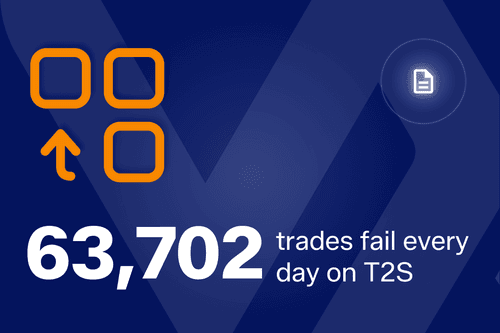
Explore why connected data flows are key to improving European settlement efficiency ahead of T+1.

Xchange brief
20 October 2026
USD 822bn cumulative volume in first five months of 2026. Perpetual futures are migrating into regulated capital markets.
Xchange brief
16 October 2026
T+1, tokenisation, 23x5 trading, and clearing mandates shift from rulebooks to live infrastructure. Are you ready?