Corporate actions in Australia - the case for transformation: report
The case for transforming Australia’s corporate actions model.
In Partnership with


Corporate actions in Australia continue to generate avoidable cost, delay and operational risk across the market. This report examines the burden of data sourcing, the reliance on manual event formats and the impact of long processing timelines on brokers and investors.
Data sourcing burden
Operations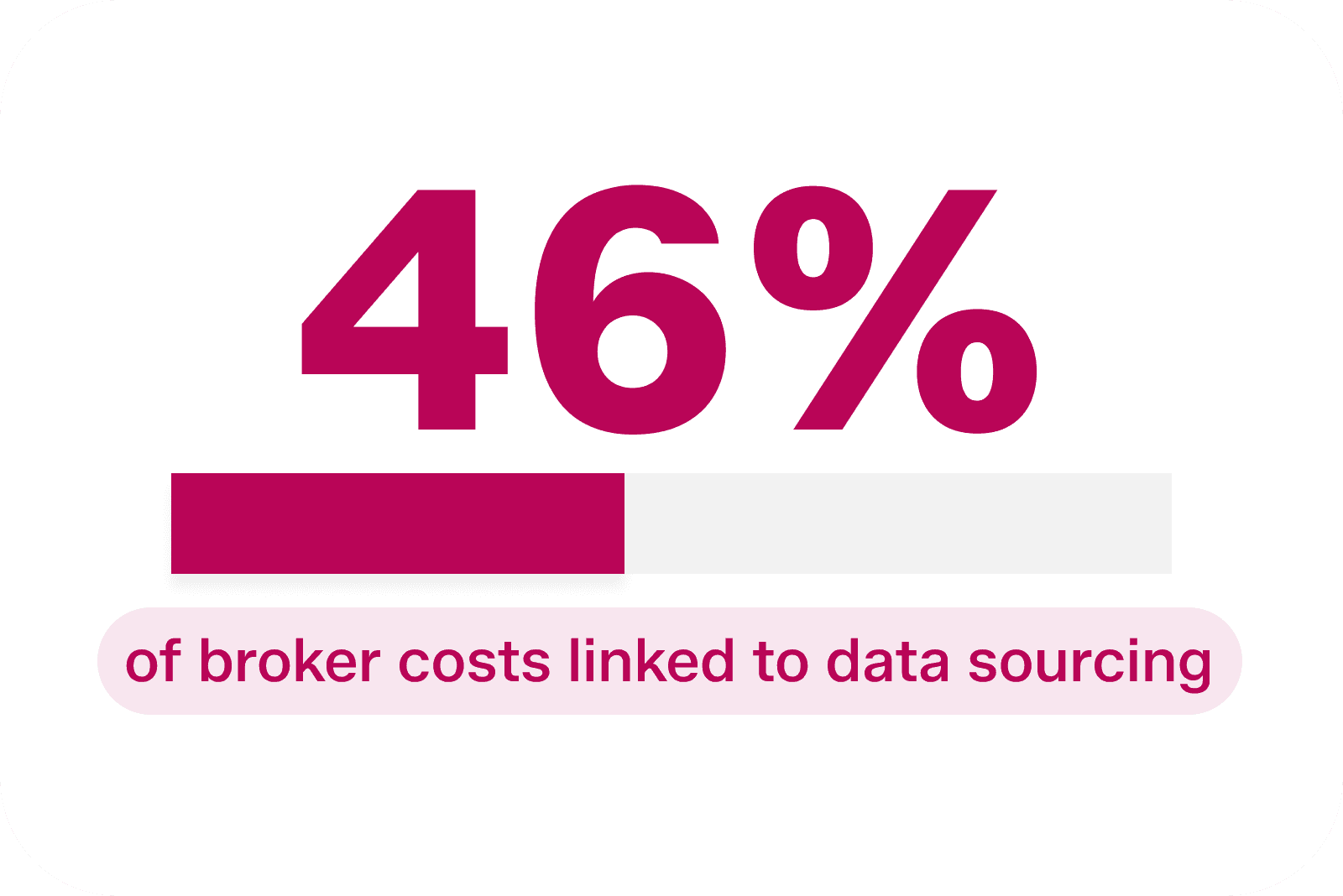
This single cost line exceeds the total cost of processing events through the system.
A market-wide data standard would reduce this burden without requiring firms to rebuild their operating model.
Manual data reliance
Risk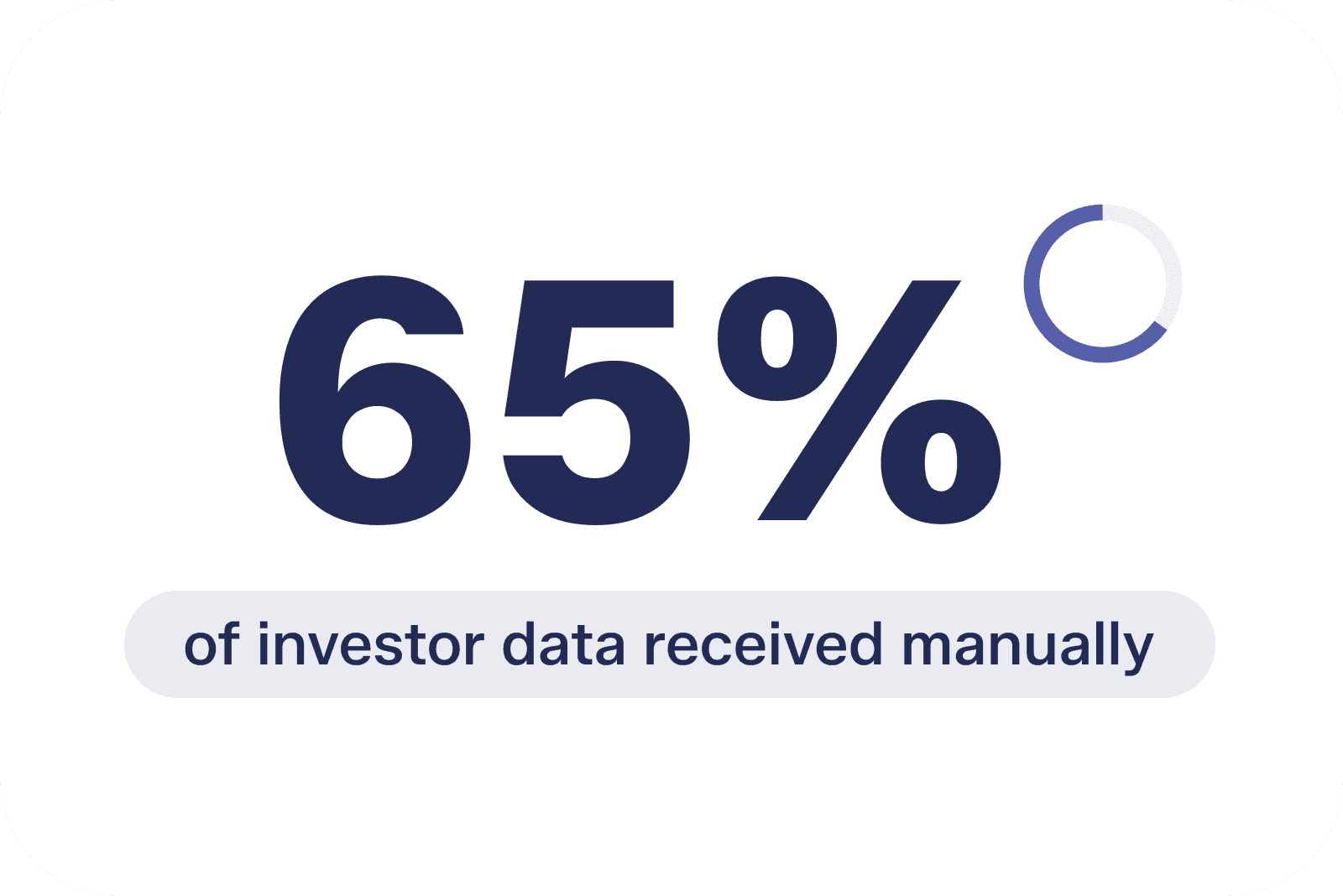
Accepting manual data formats means accepting the operational risk that comes with them.
Reliance on manual inputs creates downstream risk that compounds as event volumes rise.
Dividend delivery lag
Operations
Significant losses in interest earnings accumulate across the industry each day as a result of this delay.
Even routine event types absorb processing time that a more automated model would remove.
Corporate actions in Australia remain constrained by manual data sourcing, fragmented workflows and long processing timelines. The challenge is not only operational inefficiency, but the cumulative cost and risk created when firms continue to rely on non-standardised event data and slow distribution models.
Where are the largest cost and risk pressures in Australia's corporate actions chain? What does the market stand to gain from a more automated and timely operating model?
The report examines the structural case for corporate actions transformation in Australia. It looks at the cost burden on brokers, the format and quality of data reaching investors and the delays that continue to affect even routine event processing across the market.
The research highlights:
46% of broker costs tied to data sourcing: data sourcing alone accounts for nearly half of Australian brokers' total corporate actions costs
65% of investor event data received manually: most investor data still arrives through websites and portals, increasing operational risk across the buy-side
Even simple dividend payments can take 25 days to pass from issuer to investor, reducing earnings and increasing inefficiency
Keep reading — it's free
Verify your email to read this content
Ask the Xchange AI
Have a question about our research? Ask our AI assistant for specific insights.
SHARE THIS INSIGHT

Discover More
View All Insights
Xchange brief
22 October 2026
They have crossed from retail speculation into regulated financial market infrastructure: USD 63bn market grows by 300% per annum.
Report
21 October 2026
Explore why connected data flows are key to improving European settlement efficiency ahead of T+1.

Xchange brief
20 October 2026
USD 822bn cumulative volume in first five months of 2026. Perpetual futures are migrating into regulated capital markets.
Xchange brief
16 October 2026
T+1, tokenisation, 23x5 trading, and clearing mandates shift from rulebooks to live infrastructure. Are you ready?