Broadening asset servicing in 2025: report
Navigating the divergence between volumes, resources and automation.
In Partnership with



For a decade, the asset servicing industry's roadmap seemed clear: invest in core platforms, implement ISO 20022 standards, and efficiencies would follow. But progress has been uneven. Volumes are growing 25% year-on-year. The asset servicing industry has reached a tipping point.
System spend falls
Resources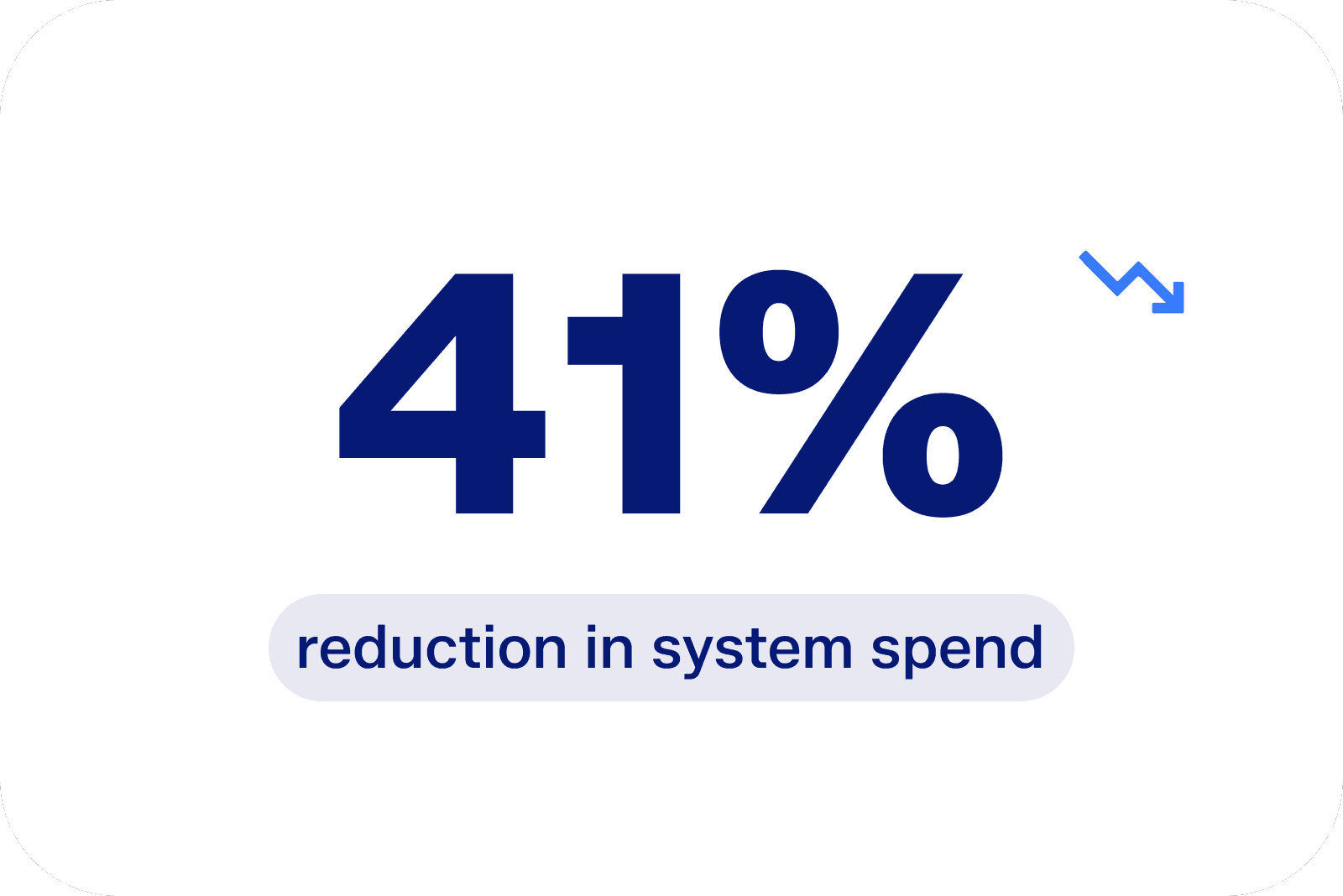
Headcount is being stretched but expected to do more — firms may need up to nine additional people per market just to keep pace.
The imbalance between lower system investment and rising volumes is making manual workarounds structurally embedded rather than temporary.
Data drives errors
Risk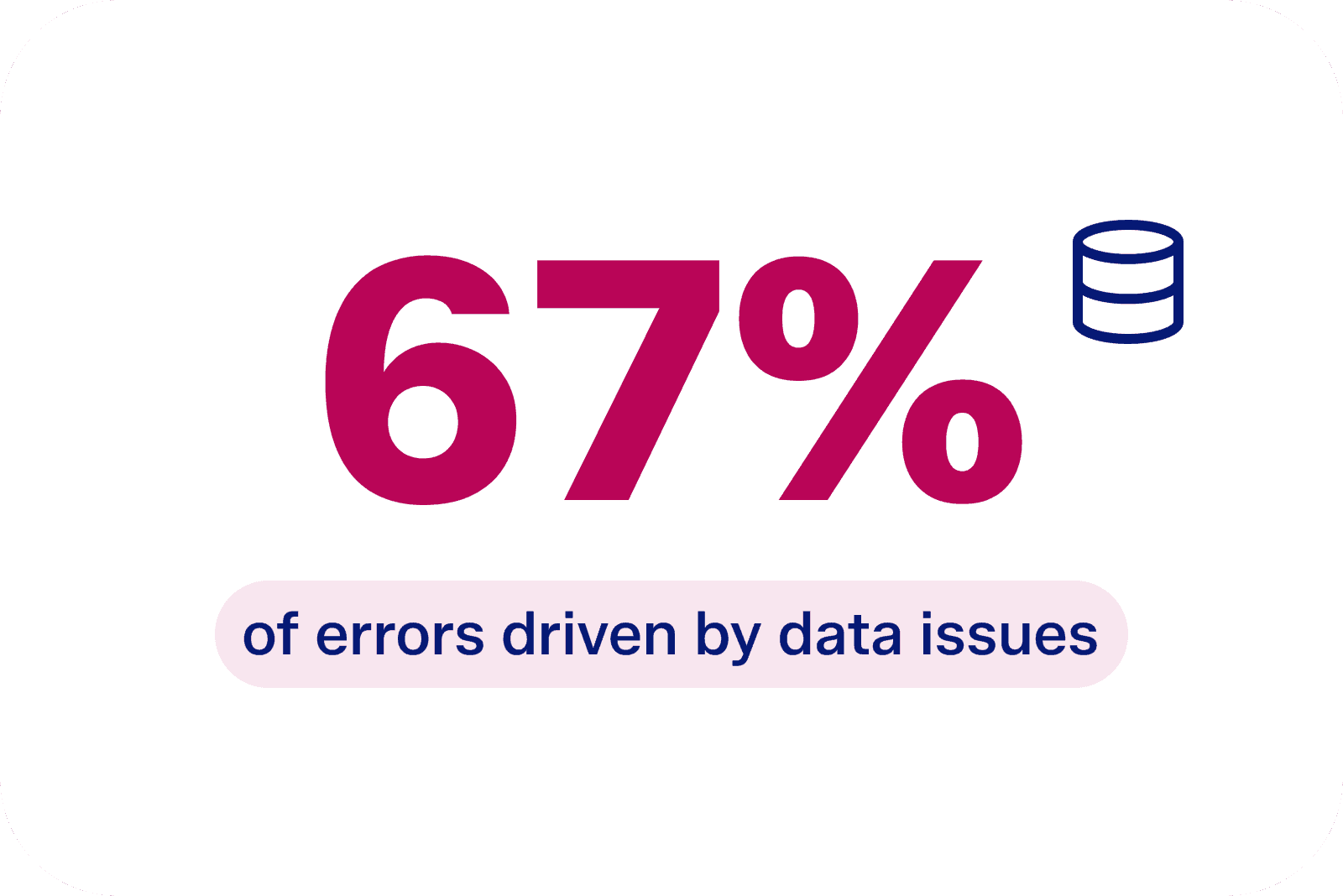
Fragmented data is now the primary source of operational risk and client impact — and the problem is worsening as volumes rise.
Additional headcount does not solve a data quality problem — structural change is the only durable response.
Outsourcing reduces errors
Outsourcing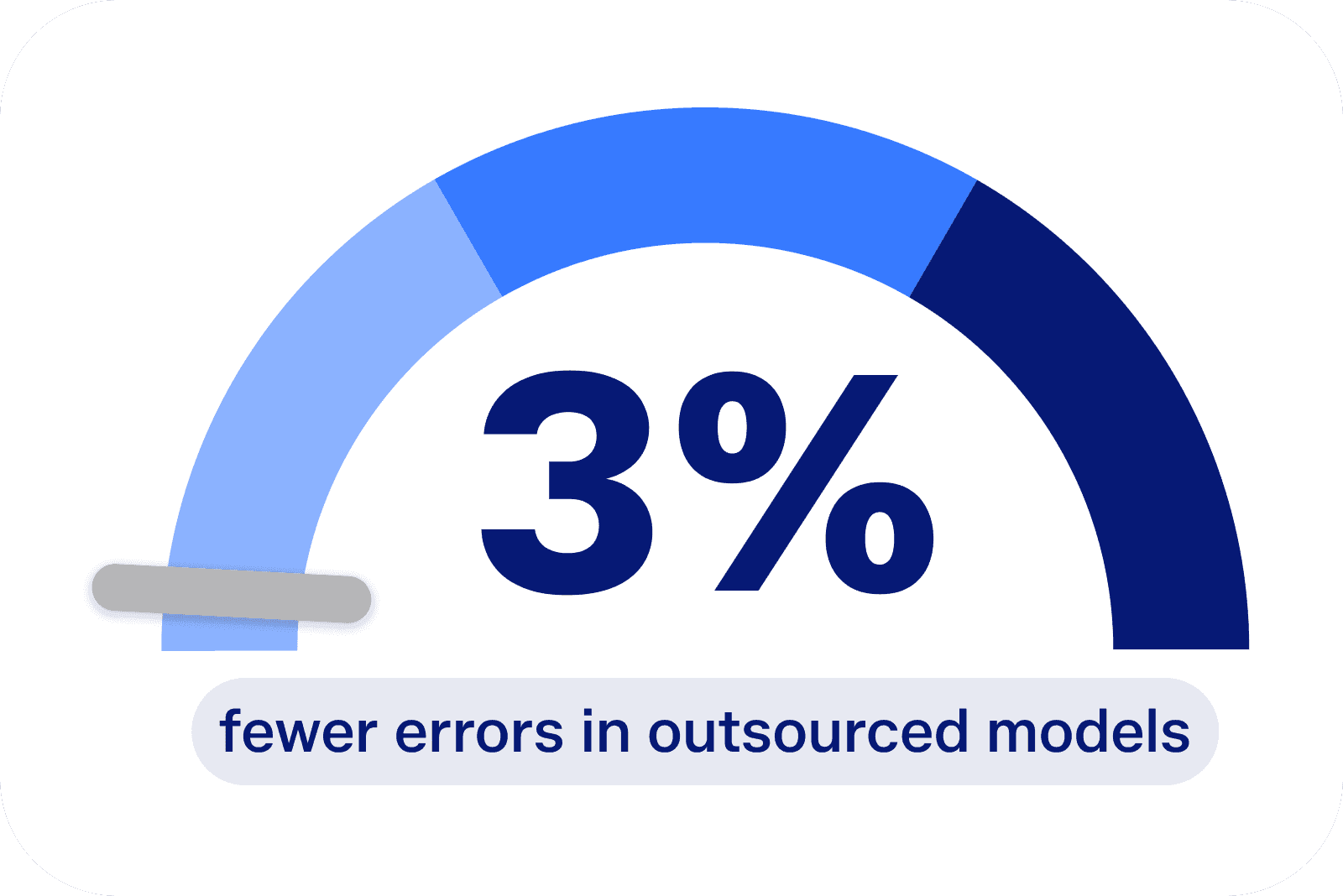
Outsourcing is more than a cost lever — paired with the right managed services, it can strengthen both automation and resilience.
Firms using outsourced models also report costs around USD 12,000 lower per event.
Asset servicing has reached a position where more volume no longer means manageable growth. Firms are finding that scale without control creates a direct operational risk.
How far can firms continue absorbing growth before capacity, confidence and service quality weaken? What happens when higher volumes collide with lower system investment and fragmented data?
This whitepaper examines how firms are responding as operational demand rises faster than automation and infrastructure can absorb. It shows where the pressure is most acute, which parts of the lifecycle are consuming the most effort, and why traditional workarounds are proving less effective.
The research, produced in partnership with Broadridge and International Securities Services Association (ISSA), highlights:
41% reduction in system spend: headcount is being asked to absorb more operational pressure even as system investment falls, increasing reliance on manual intervention
Income and voluntary events now consume 58% of total asset servicing capacity, intensifying pressure across already stretched teams
Data issues account for up to 67% of asset servicing errors, making fragmented data a primary source of risk and client impact
Firms using outsourced models report 3% fewer errors on average and around US dollar (USD) 12,000 lower costs per event, showing how managed services and automation can reinforce each other
Keep reading — it's free
Verify your email to read this content
Ask the Xchange AI
Have a question about our research? Ask our AI assistant for specific insights.
SHARE THIS INSIGHT

Discover More
View All Insights
Xchange brief
22 October 2026
They have crossed from retail speculation into regulated financial market infrastructure: USD 63bn market grows by 300% per annum.
Report
21 October 2026
Explore why connected data flows are key to improving European settlement efficiency ahead of T+1.

Xchange brief
20 October 2026
USD 822bn cumulative volume in first five months of 2026. Perpetual futures are migrating into regulated capital markets.

Xchange brief
16 October 2026
T+1, tokenisation, 23x5 trading, and clearing mandates shift from rulebooks to live infrastructure. Are you ready?