Asset Servicing Automation 2024: report
Rising volumes and falling STP are exposing the cost of manual asset servicing.
In Partnership with




Asset servicing is under pressure as securities volumes rise and STP declines. This report examines where manual processing still dominates, what corporate action errors are costing investors and where automation is creating a clearer case for change.
Direct investor cost
Cost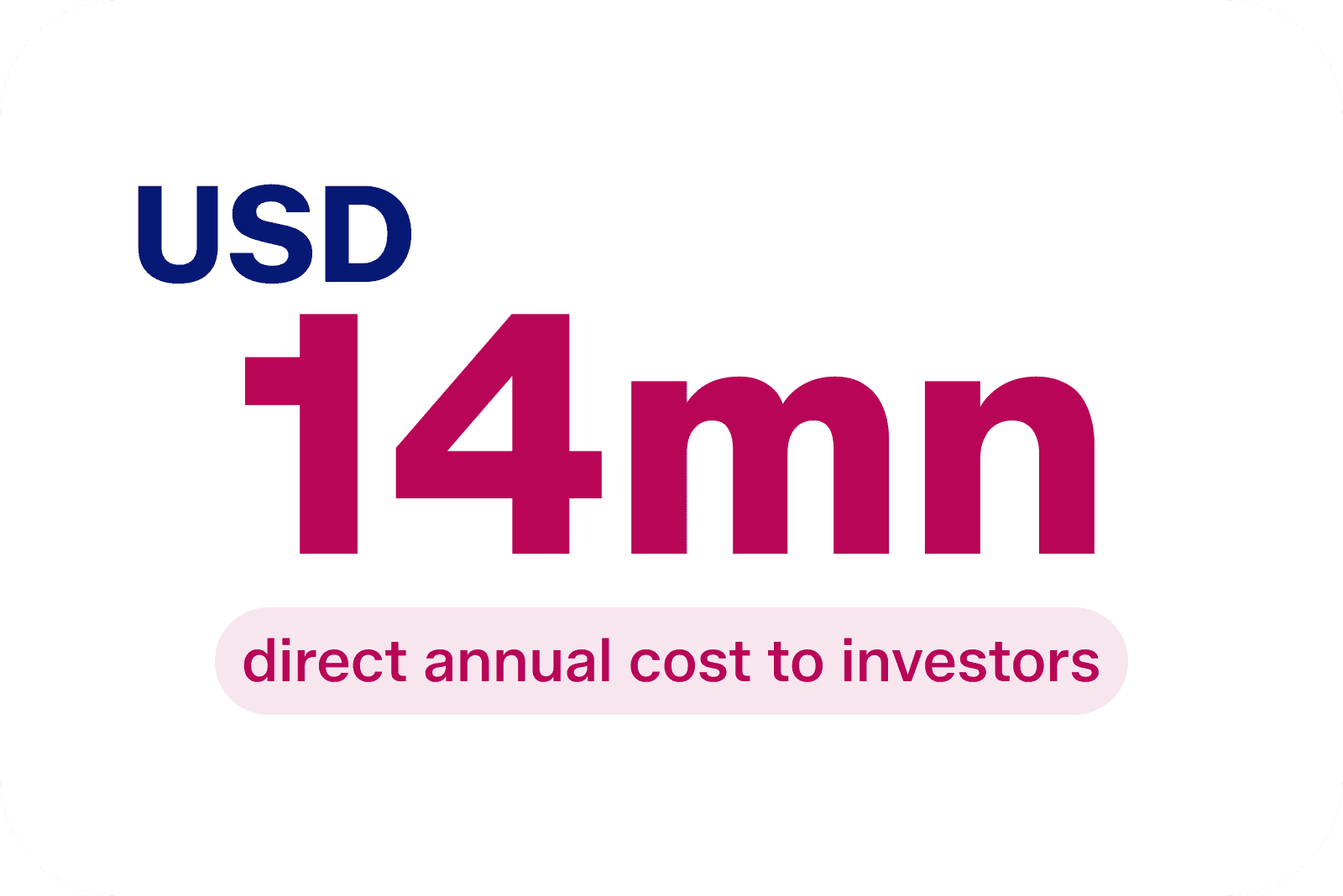
Indirect pass-through costs run several times higher — making the true burden materially larger.
This is making automation increasingly difficult for investors of all sizes to delay.
Manual risk peak
Operations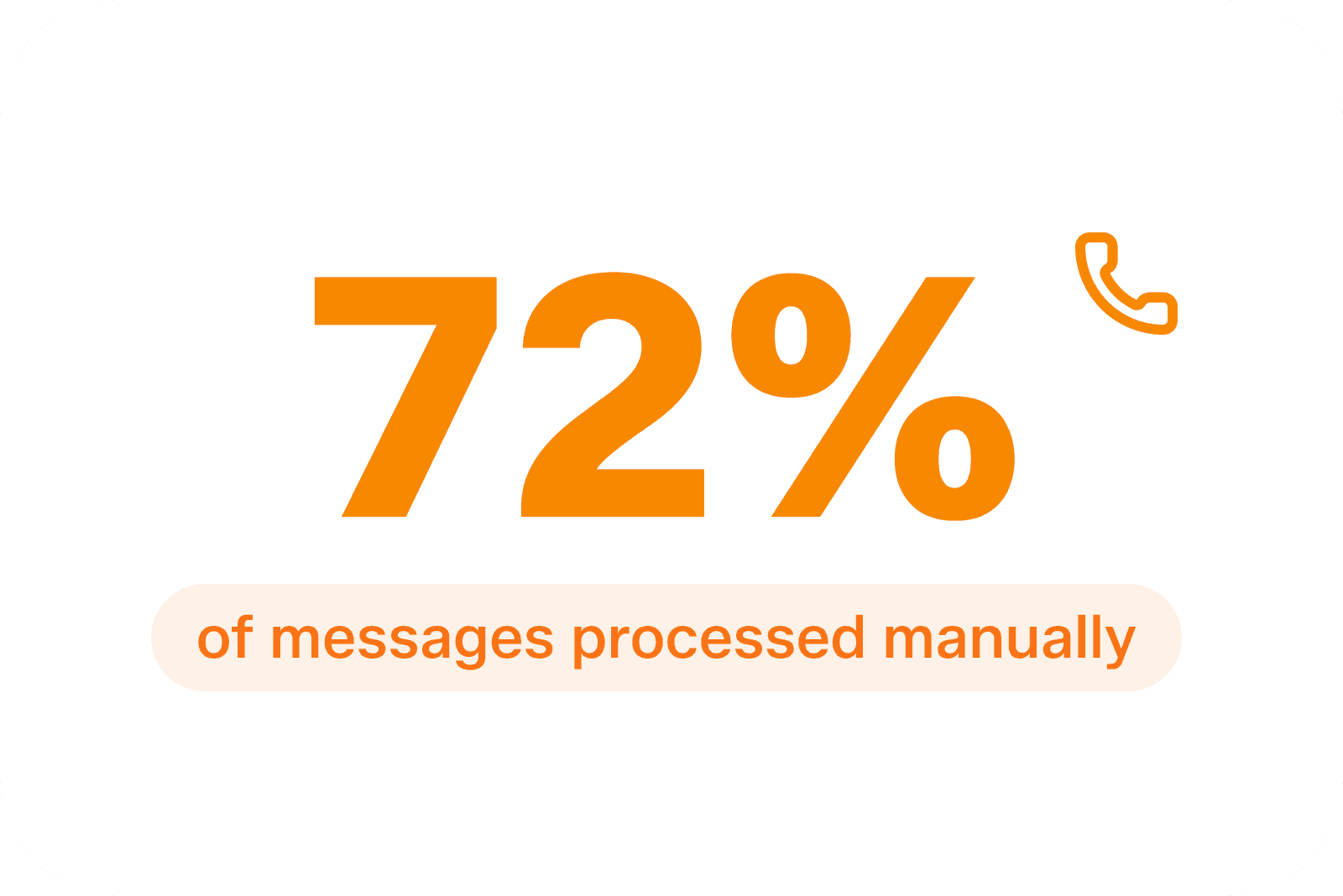
Corporate action instructions are where operational exposure is greatest — and where automation would have the most immediate impact.
Up to 453 people may touch a single corporate action across its full lifecycle.
Automation error reduction
Efficiency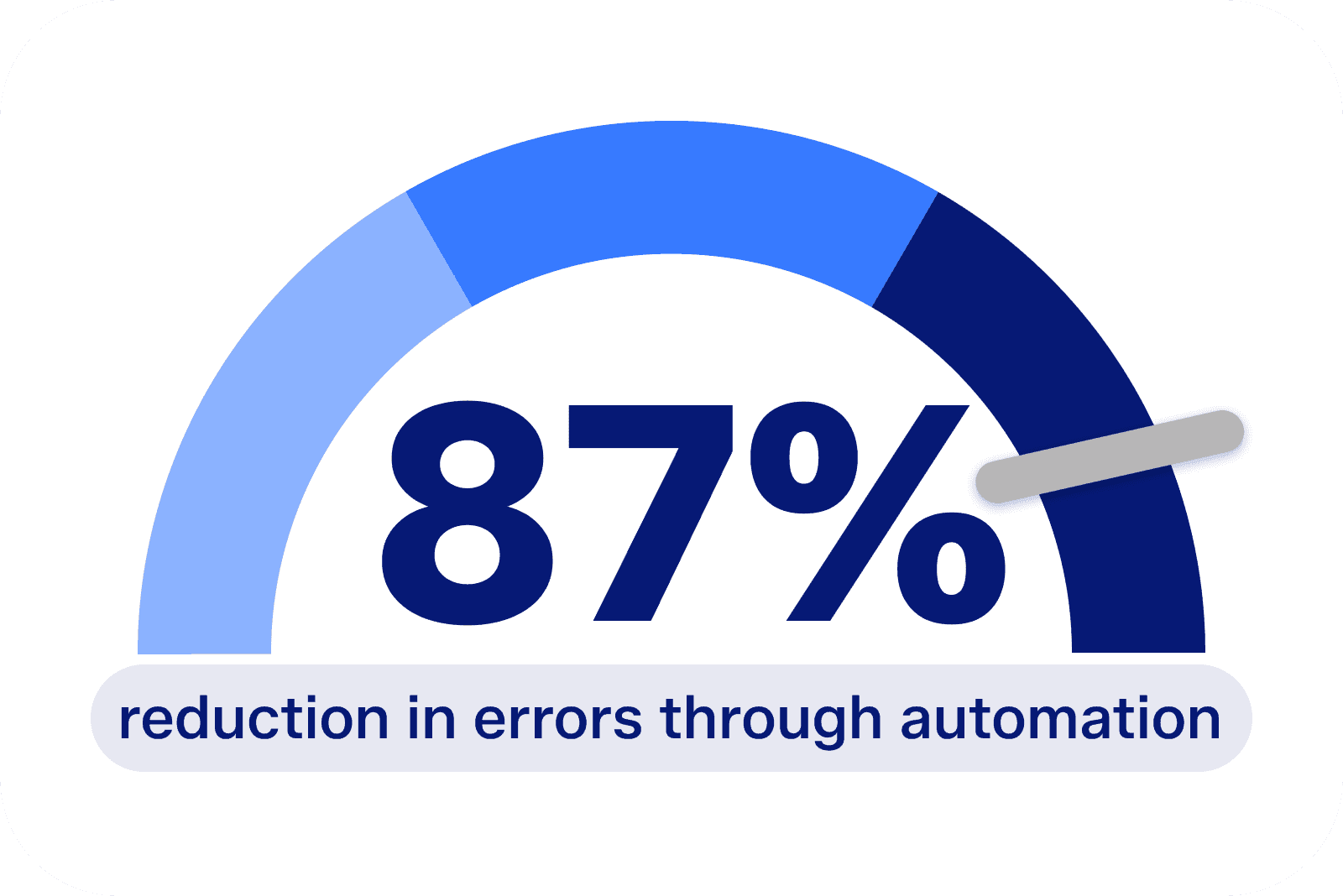
Many firms still see limited downside in delay — but the cost of inaction is measurable and rising.
Investors stand to save USD 680,000 a year through automation. V
Asset servicing is becoming harder to scale as rising volumes collide with lower Straight-Through Processing (STP) and persistent manual processing. The pressure is no longer limited to efficiency. It is now affecting cost, control and the ability to manage corporate actions at scale.
Where is manual exposure still highest in asset servicing today? How much cost and operational risk are firms continuing to absorb as volumes rise faster than automation?
The research draws on the Asset Servicing Automation industry survey, based on insights from more than 200 firms and market practitioners globally. It examines the economics of current asset servicing models, where automation is taking hold and which parts of the lifecycle still carry the greatest operational burden.
The research, produced by International Securities Services Association (ISSA) with the support of Broadridge and Depository Trust & Clearing Corporation (DTCC), highlights:
Corporate action errors create a direct cost of USD 14 million for investors, with indirect pass-through costs running multiple times higher
Manual risk remains most acute in instructions, where 72% of messages are still processed manually
Up to 453 people may touch a single corporate action across the full lifecycle, showing how complexity scales with volume
Automation could reduce errors by 87%, while investors would realise annual savings of USD 680,000
Keep reading — it's free
Verify your email to read this content
Ask the Xchange AI
Have a question about our research? Ask our AI assistant for specific insights.
SHARE THIS INSIGHT

Discover More
View All Insights
Xchange brief
22 October 2026
They have crossed from retail speculation into regulated financial market infrastructure: USD 63bn market grows by 300% per annum.
Report
21 October 2026
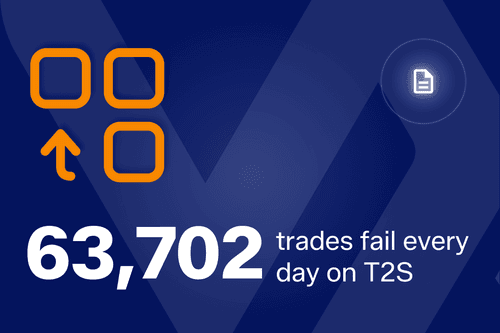
Explore why connected data flows are key to improving European settlement efficiency ahead of T+1.
Xchange brief
20 October 2026
USD 822bn cumulative volume in first five months of 2026. Perpetual futures are migrating into regulated capital markets.
Xchange brief
16 October 2026
T+1, tokenisation, 23x5 trading, and clearing mandates shift from rulebooks to live infrastructure. Are you ready?