The path to 2030: key findings
What is the scale and urgency of securities processing transformation in the next five years?
In Partnership with


SHARE THIS INSIGHT
Securities processing transformation is becoming urgent. Firms must balance legacy costs, underperforming platforms and pressure to modernise. These key findings show how firms are planning spend through 2030, where innovation has stalled, and what investment is needed to improve resilience and returns.
Legacy consumes budget
Investment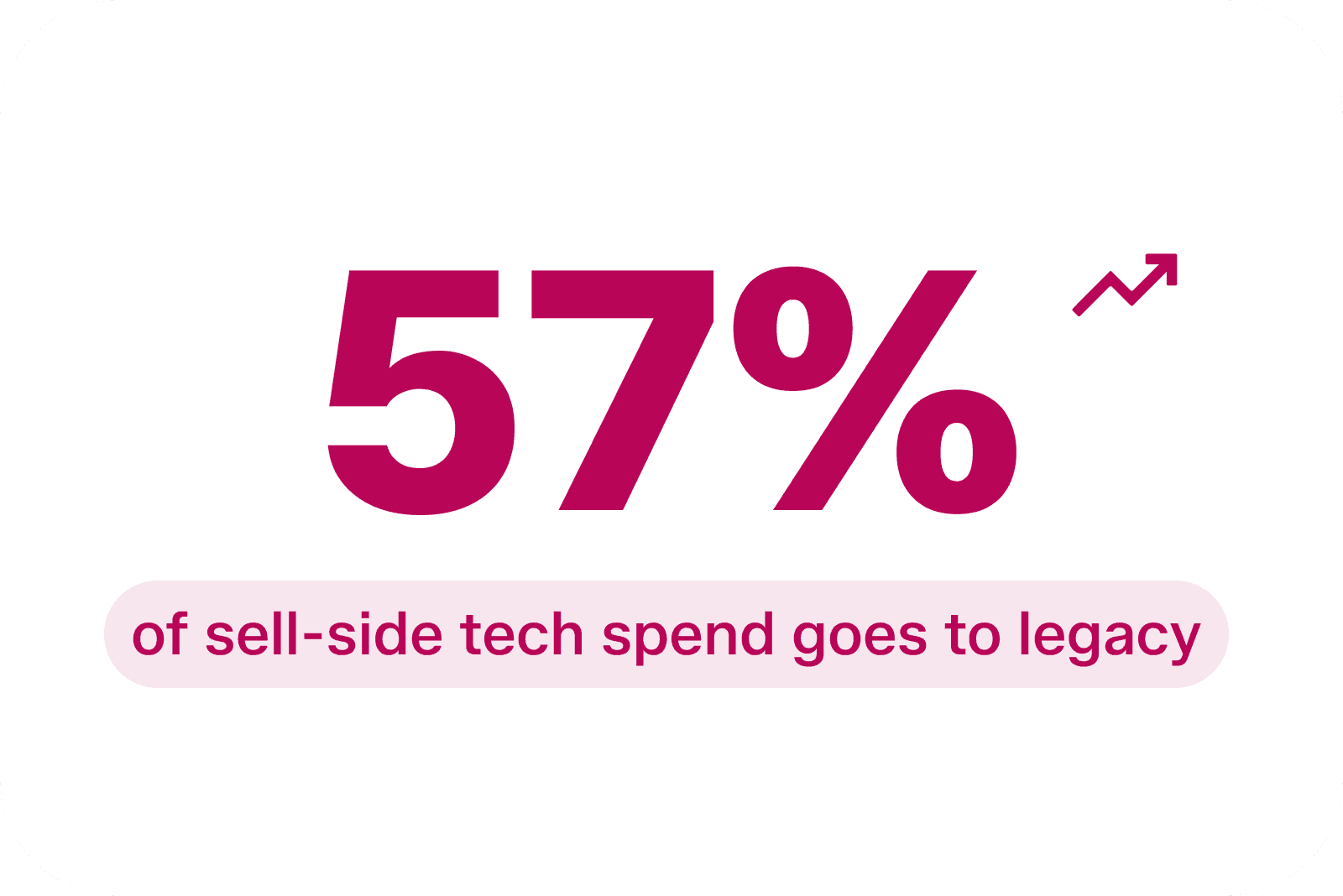
Firms are investing at least USD 9.9 million in new capabilities – but legacy dependency is consuming the budget that should support transformation.
Buy-side firms are targeting meaningful annual savings through more efficient processing.
Transformation pace lagging
Delivery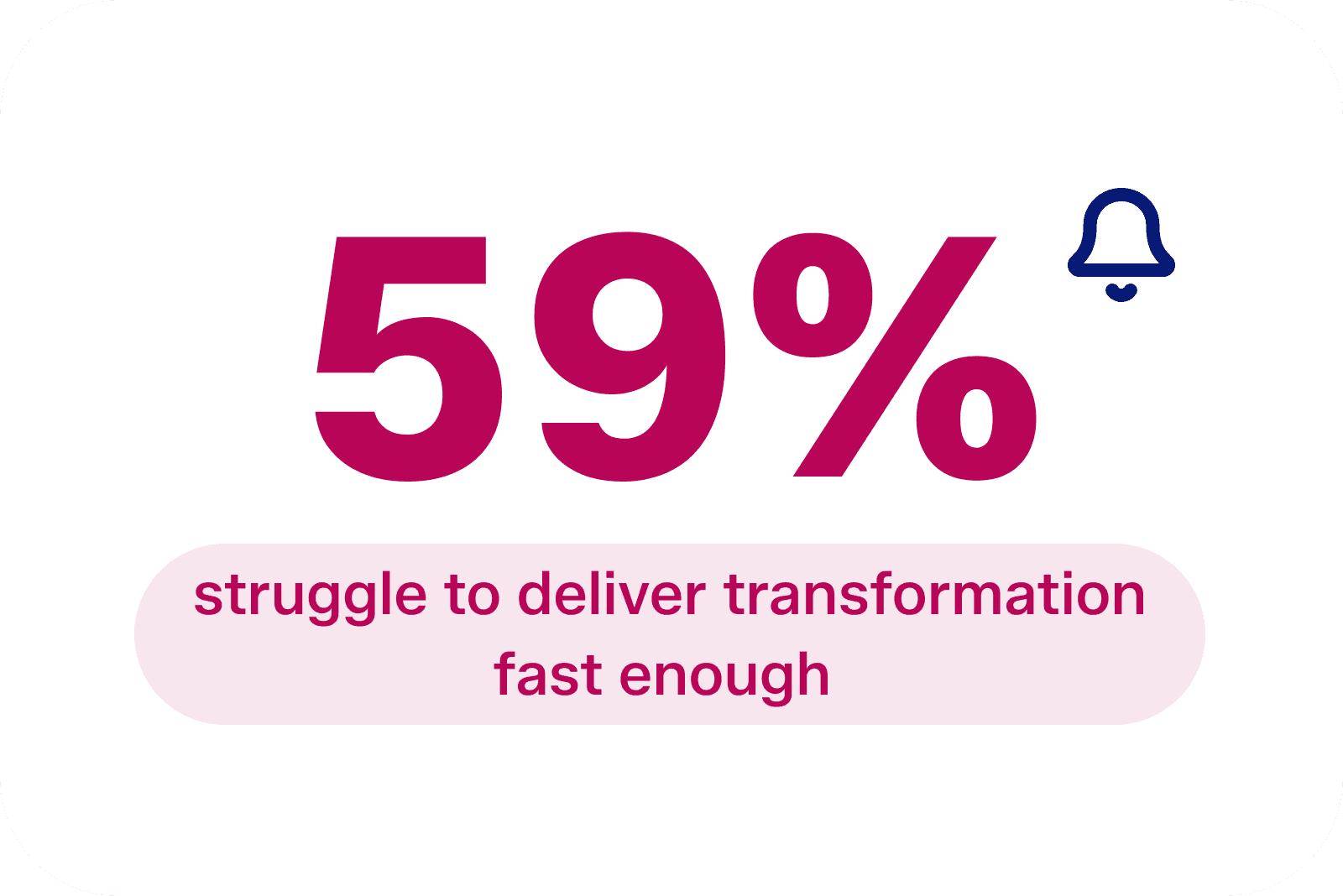
Platform underinvestment creates a compounding problem – the longer transformation is delayed, the harder it becomes.
Firms have already spent around USD 130 million on legacy transition activity, yet delivery timelines remain under pressure.
Innovation budget shift
Outlook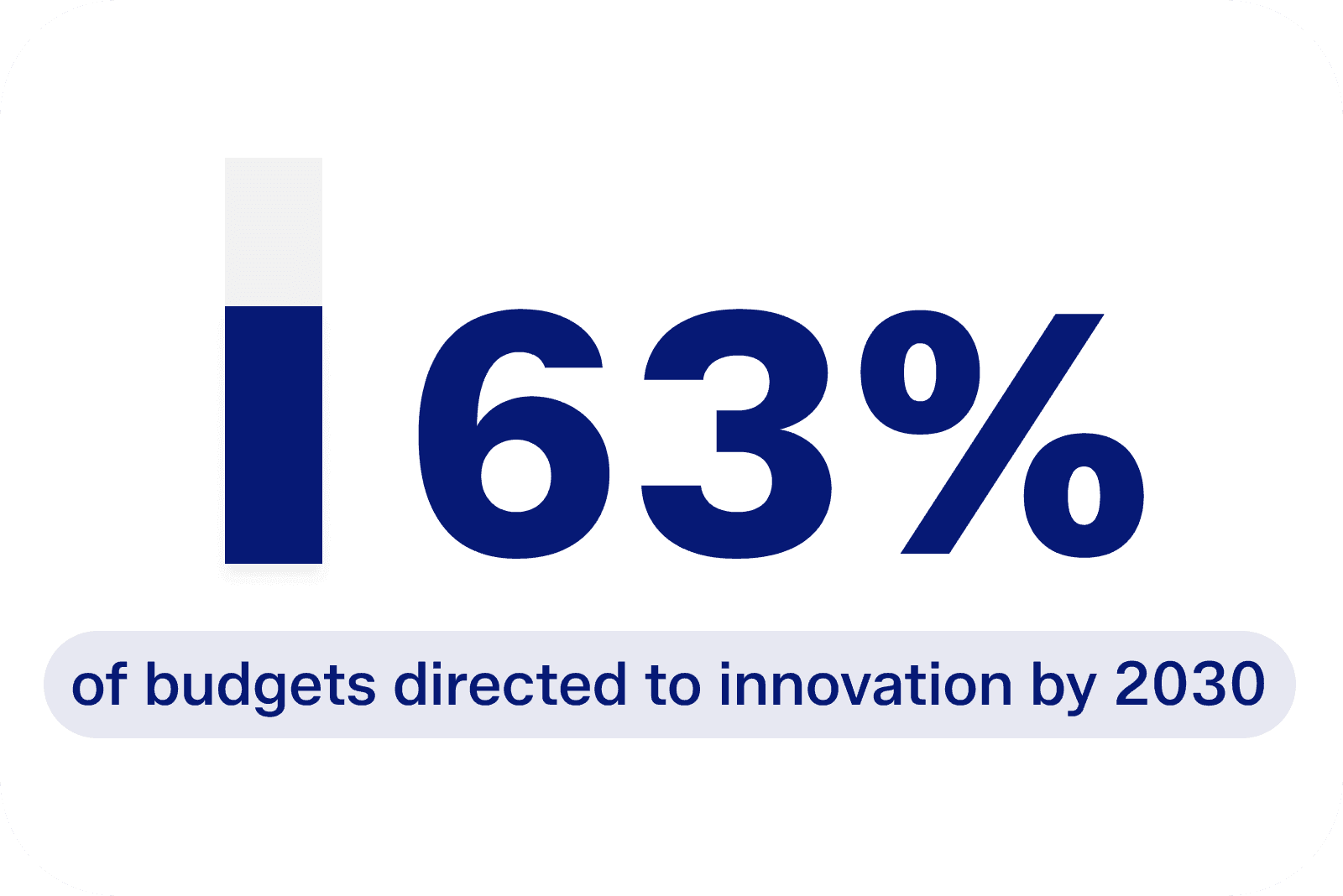
As mandatory regulatory spend declines, firms have an opportunity to redirect investment towards genuine transformation.
Budget is expected to shift decisively toward modernisation by 2030, reflecting growing confidence in the commercial case for change.
Securities processing investment is no longer just a technology question. Firms now need to decide how much to spend, where to focus, and how to balance legacy constraints against the need for scale, resilience and operational efficiency.
How much transformation is enough in an environment where budgets remain constrained but platform performance is under pressure? Which parts of the securities processing landscape are absorbing spend today, and where are firms expecting the strongest returns by 2030?
The findings are based on a survey of more than 350 financial professionals across Asia-Pacific (APAC), Europe and North America. Respondents were from banks, brokers, investors, market operators and market participants involved in securities processing transformation.
The research, produced in partnership with FIS, highlights:
Sell-side firms are investing at least US dollar (USD) 9.9 million in new scale, capabilities and efficiencies. 57% of their technology spend still goes to managing legacy systems
Buy-side firms are looking to save an average of USD 1.6 million each year through more efficient securities processing
Firms have already spent around USD 130 million on legacy transition activity
59% struggle to transform quickly enough: many firms are finding it difficult to deliver transformation projects at the pace required by market and regulatory change
Firms expect up to 63% of budgets to be directed towards innovation and resilience by 2030
Keep reading — it's free
Verify your email to read this content
Ask the Xchange AI
Have a question about our research? Ask our AI assistant for specific insights.

Discover More
View All Insights
Xchange brief
22 October 2026
They have crossed from retail speculation into regulated financial market infrastructure: USD 63bn market grows by 300% per annum.
Report
21 October 2026
Explore why connected data flows are key to improving European settlement efficiency ahead of T+1.

Xchange brief
20 October 2026
USD 822bn cumulative volume in first five months of 2026. Perpetual futures are migrating into regulated capital markets.

Xchange brief
16 October 2026
T+1, tokenisation, 23x5 trading, and clearing mandates shift from rulebooks to live infrastructure. Are you ready?