Securities finance transformation: key findings
How and where does the securities finance operating model need to transform?
In Partnership with





SHARE THIS INSIGHT
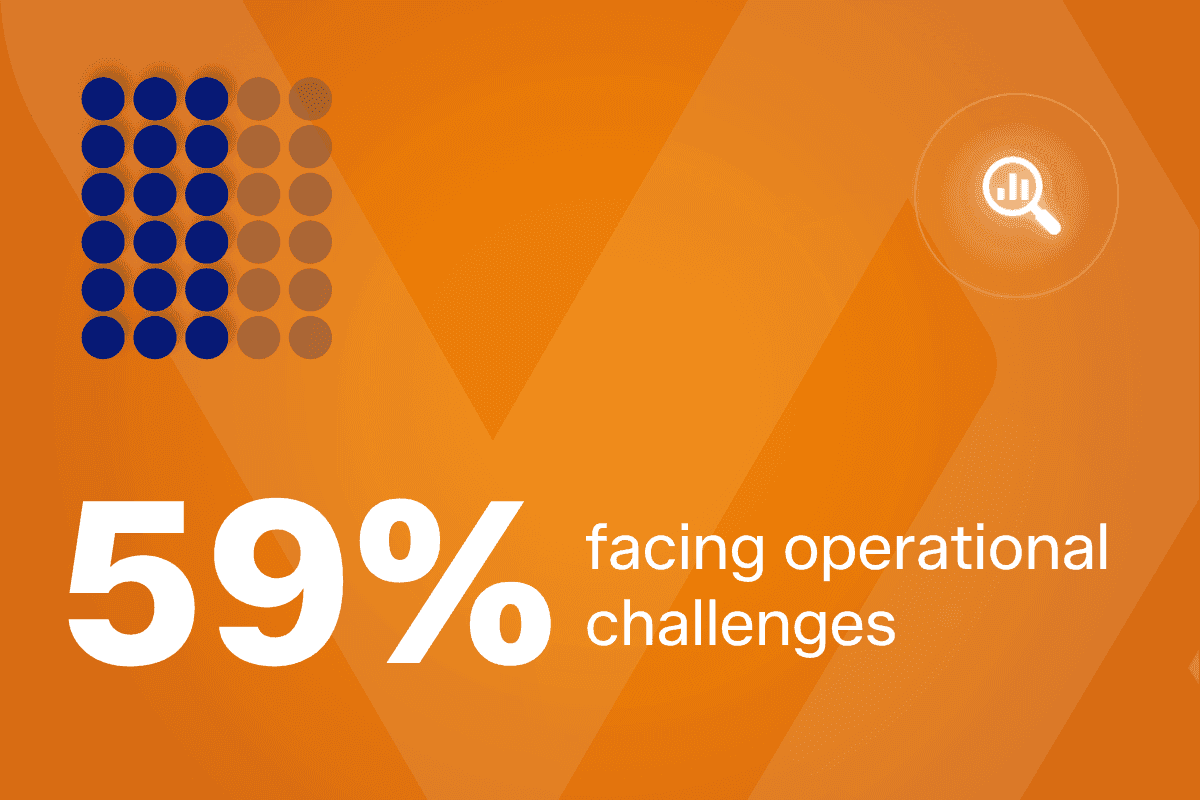
Securities finance operating models remain constrained by manual processing, fragmented collateral and rising regulatory overheads. With 59% of firms reporting meaningful operational challenges and collateral spread across 11 locations on average, these key findings show where change is becoming most urgent.
Operational pressure widespread
Operations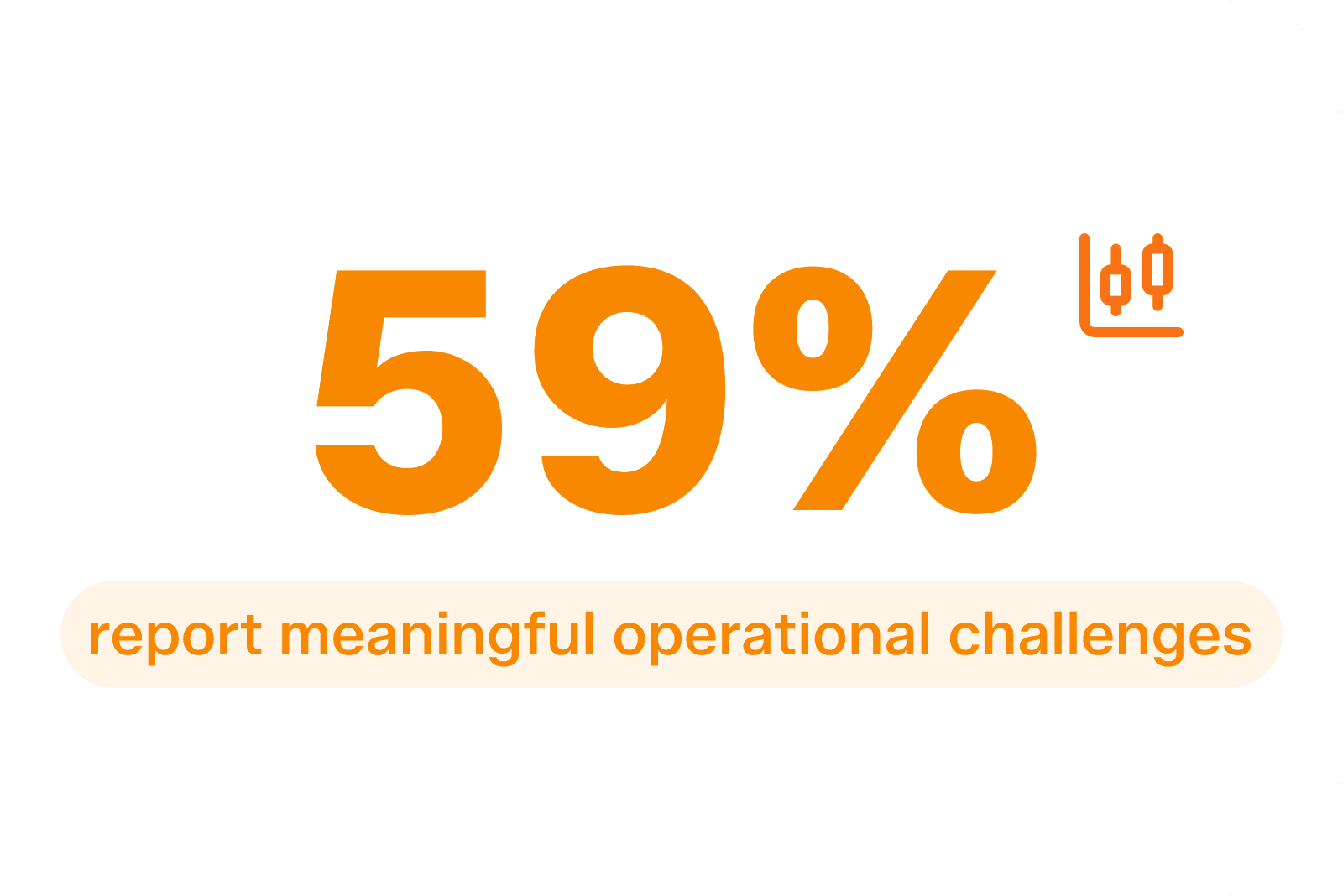
A significant share of respondents say manual processing is a serious problem and the burden is rising with volume and complexity.
Operational pressure is becoming a structural constraint on efficiency and scalability across the lifecycle.
Collateral spread wide
Complexity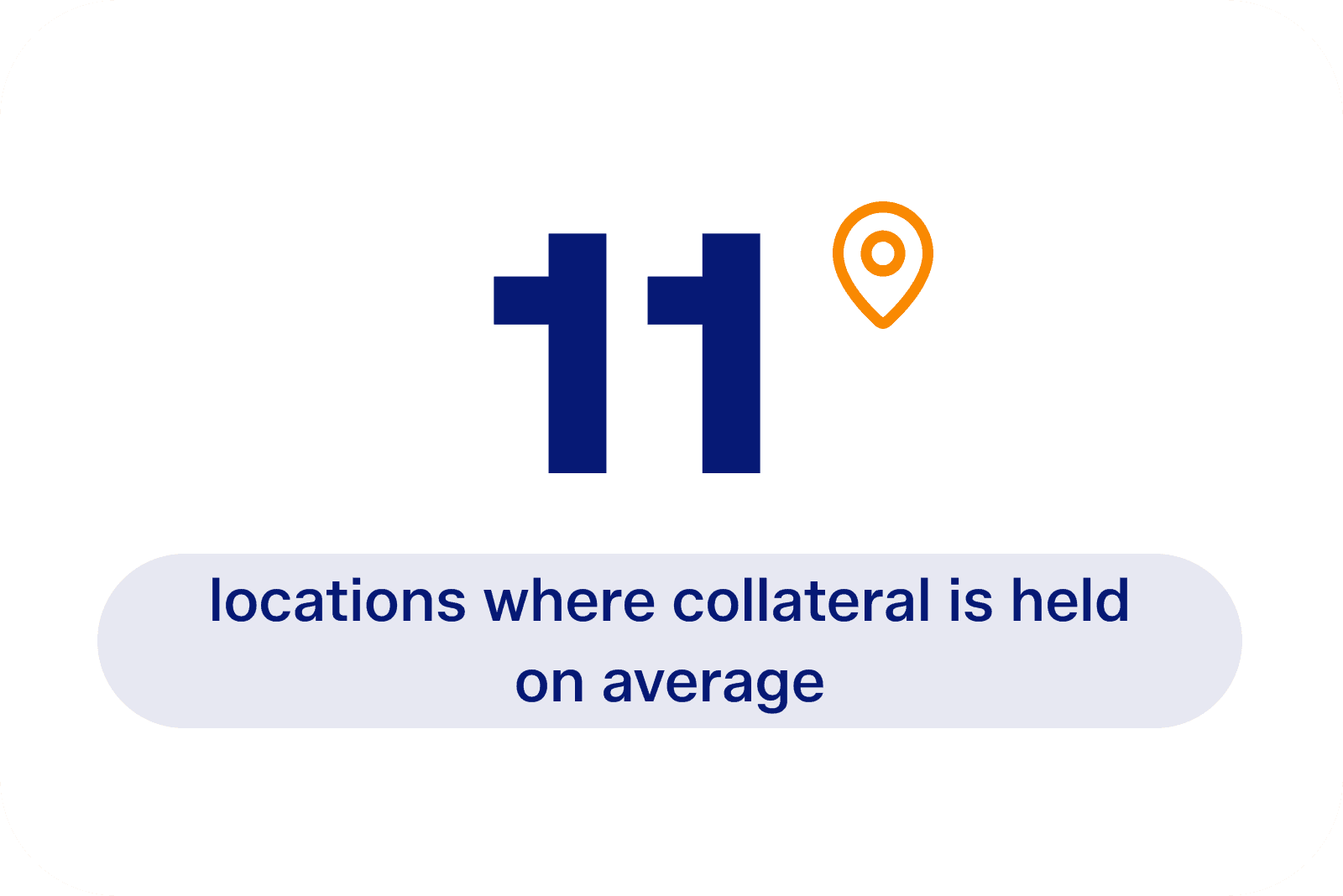
A substantial share is still managed bilaterally, adding complexity and reducing the ability to mobilise collateral efficiently.
Securities lending drives the largest share of collateral obligations, concentrating complexity in one part of the lifecycle.
DLT engagement grows
Innovation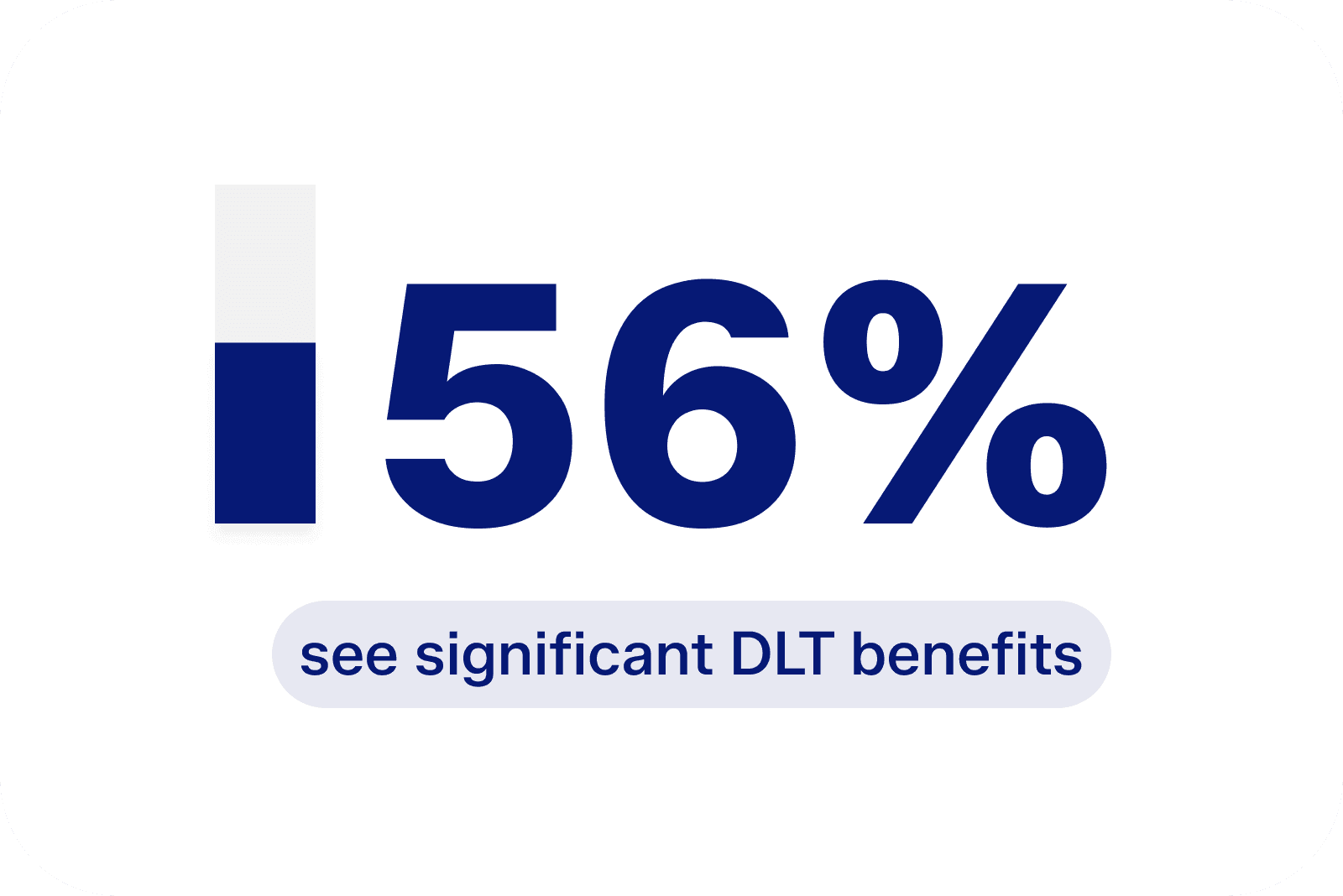
Stronger data models and the elimination of reconciliations are seen as the main drivers of future efficiency.
Standardisation and DLT are increasingly seen as complementary levers for stronger operating models.
Securities finance is facing growing pressure to modernise. Manual processing, data burdens and fragmented collateral management are making it harder for firms to build efficient, scalable and resilient operating models.
Where are the biggest weaknesses in today's securities finance model? How much cost and complexity are firms still carrying through manual workflows, collateral fragmentation and inconsistent standards, and what role could DLT play in addressing them?
The findings draw on input from agent lenders, brokers and banks across profiles and geographies, providing a practical view of where firms see the strongest case for change in securities finance today.
The research, produced in partnership with International Securities Lending Association (ISLA), Canadian Securities Lending Association (CASLA), Clifford Chance, HQLAˣ and Pan Asia Securities Lending Association (PASLA), highlights:
59% report operational challenges: firms continue to face meaningful operational pressure, while 36% say manual processing is a serious problem
Collateral is maintained across 11 locations on average, with 41% of obligations driven by securities lending activity
39% remains bilateral: a large share of collateral is still managed on a bilateral basis, adding complexity and reducing efficiency
56% of firms are engaged on Distributed Ledger Technology (DLT) today
Standardisation remains central: firms see stronger data models and the elimination of reconciliations as important drivers of future efficiency and profit and loss (P&L) improvement
Keep reading — it's free
Verify your email to read this content
Ask the Xchange AI
Have a question about our research? Ask our AI assistant for specific insights.

Discover More
View All Insights
Xchange brief
22 October 2026
They have crossed from retail speculation into regulated financial market infrastructure: USD 63bn market grows by 300% per annum.
Report
21 October 2026
Explore why connected data flows are key to improving European settlement efficiency ahead of T+1.

Xchange brief
20 October 2026
USD 822bn cumulative volume in first five months of 2026. Perpetual futures are migrating into regulated capital markets.
Xchange brief
16 October 2026
T+1, tokenisation, 23x5 trading, and clearing mandates shift from rulebooks to live infrastructure. Are you ready?