
Proxy voting in Australia and New Zealand: key findings
As shareholder engagement rises, how ready are proxy voting operations in Australia and New Zealand to scale?
In Partnership with





SHARE THIS INSIGHT
Proxy voting is becoming more central to investor engagement, yet operating models remain fragmented and manual. These key findings show where notice distortion, timing delays and weak transparency are limiting the ability of firms to scale.
Notice distortion risk
Data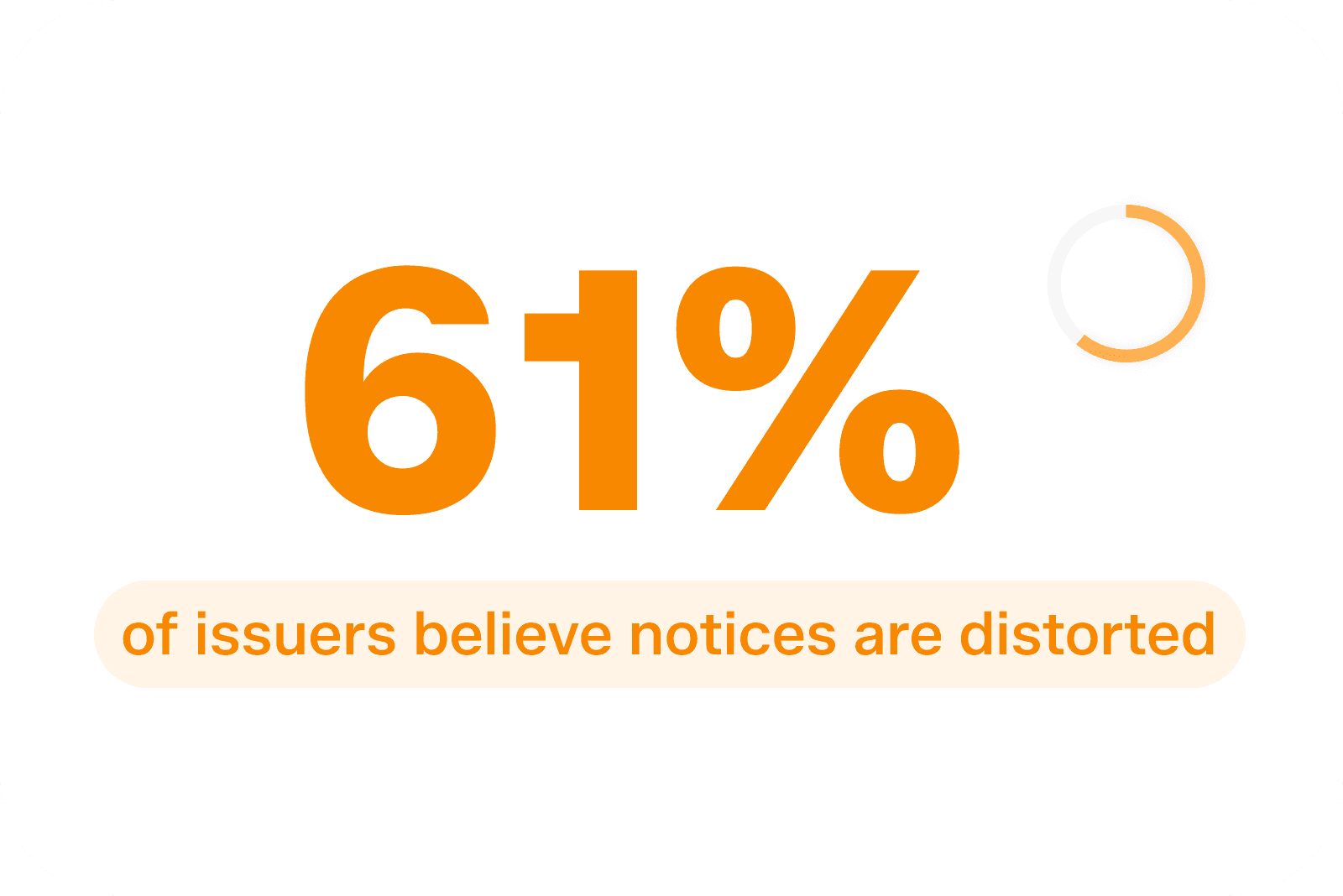
If notices are distorted, investor decisions are being made on flawed information – weakening the governance process.
Fragmented intermediary chains remain the main source of distortion risk across Australia and New Zealand.
Timing visibility absent
Timeliness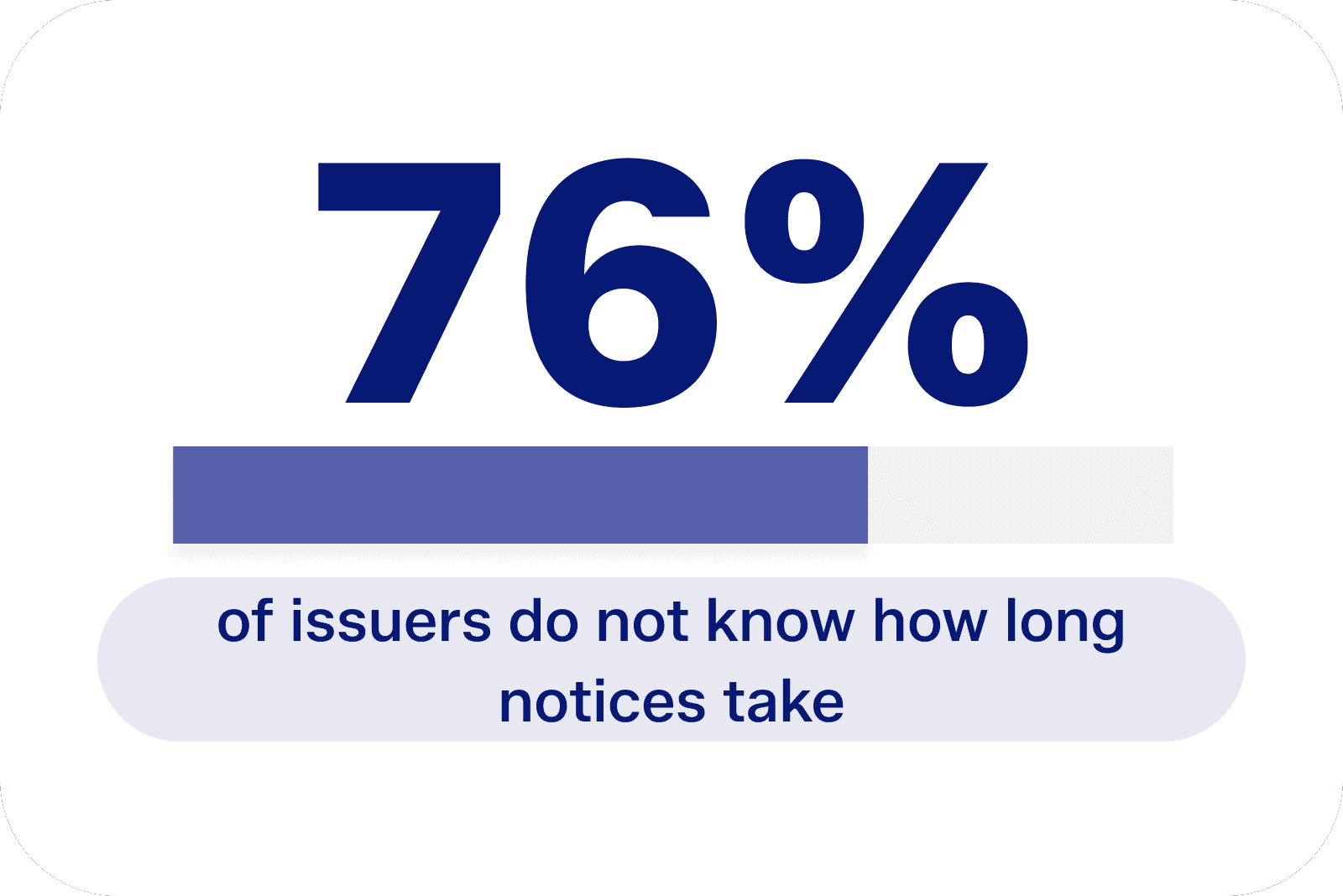
Without timing visibility, issuers cannot see where delays occur or how shareholder reach could be improved.
Notices take at least two to seven days to reach investors, reducing the time available to act.
Extra issuer steps
Operations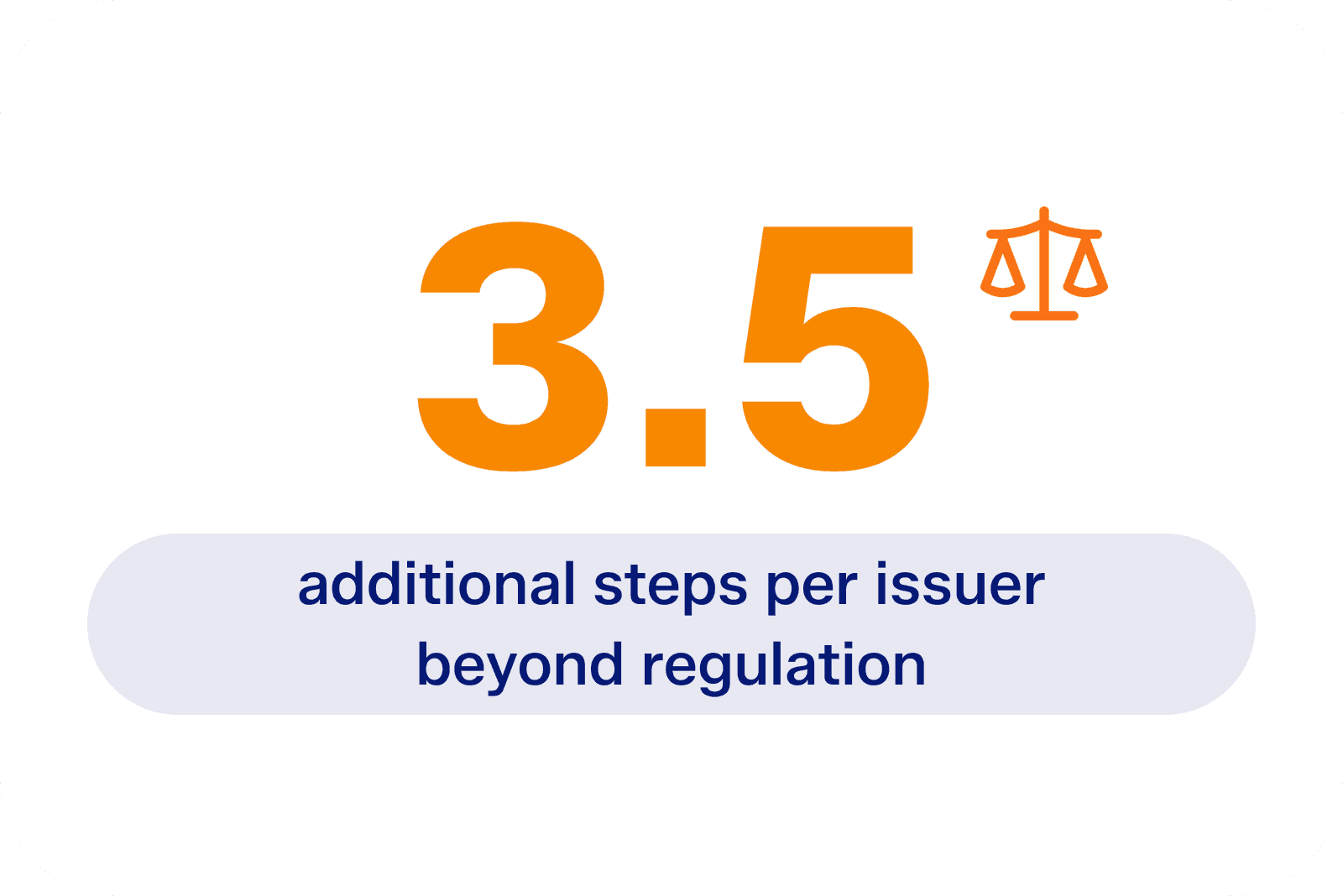
Regulatory disclosure alone is no longer enough – issuers are absorbing meaningful extra effort simply to achieve basic reach.
Every issuer surveyed is taking additional action, pointing to a systemic rather than isolated issue.
Proxy voting is moving from a niche operational process to a core part of governance and investor engagement. But as volumes and expectations rise, many firms are still relying on fragmented workflows, limited transparency and manual intervention.
How ready are proxy voting operations in Australia and New Zealand to support industry-wide shareholder engagement? Where are delays, data issues and operational workarounds still weakening transparency and reducing control across the voting chain?
The findings draw on industry-wide research spanning issuers and investors, providing a market view of the operational barriers affecting proxy voting across Australia and New Zealand and the changes required to improve scale in 2023.
The research, produced in partnership with Proxymity, Computershare, Australian Investor Relations Association (AIRA) and Australasian Custodial Services Association (ACSA), highlights:
61% of issuers believe notices are getting distorted in the chain, pointing to persistent data reliability issues
76% of issuers do not know how long notices are taking, with notices taking at least two to seven days to reach investors
Every issuer surveyed is taking additional action to reach shareholders, with firms averaging 3.5 supplementary steps beyond regulatory disclosures
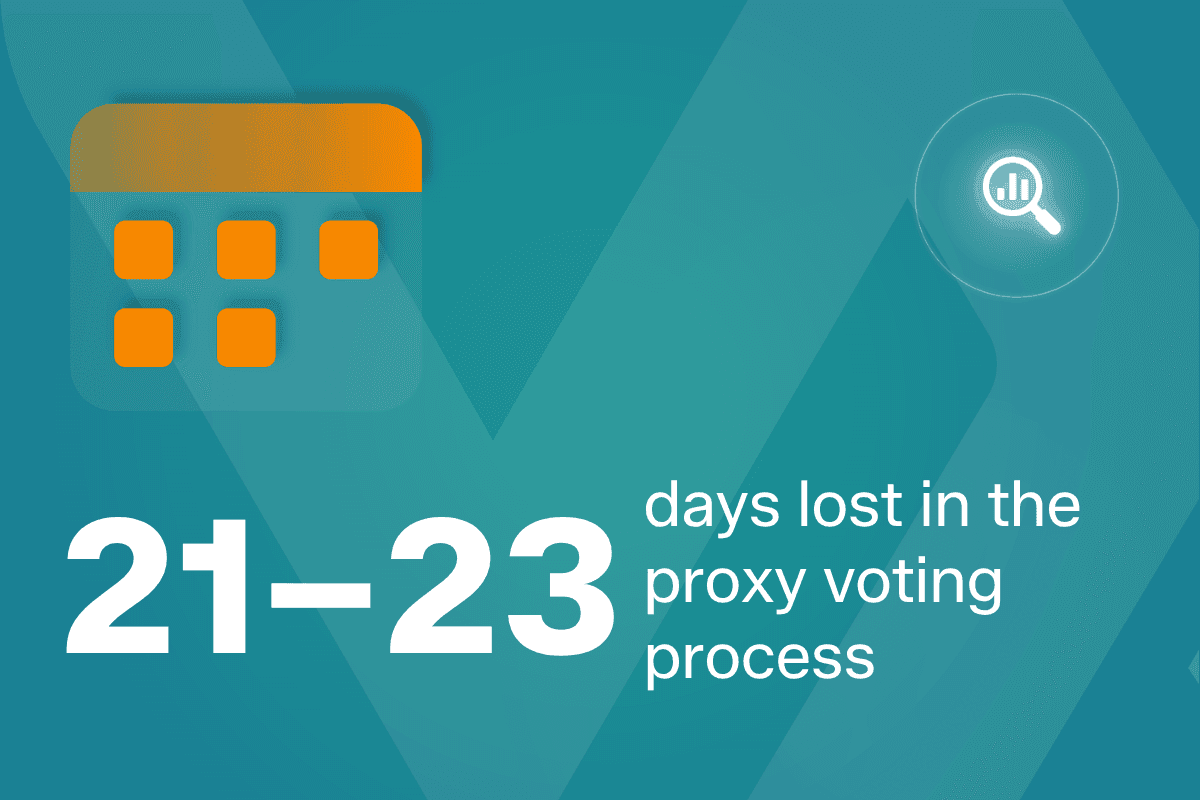
Investors are losing 21–23 days in the voting process, reducing the time available to assess and act
Proxy voting workflows continue to rely heavily on outsourcing and manual processes, increasing operational risk and limiting scalability
Keep reading — it's free
Verify your email to read this content
Ask the Xchange AI
Have a question about our research? Ask our AI assistant for specific insights.

Discover More
View All Insights
Xchange brief
22 October 2026
They have crossed from retail speculation into regulated financial market infrastructure: USD 63bn market grows by 300% per annum.
Report
21 October 2026
Explore why connected data flows are key to improving European settlement efficiency ahead of T+1.

Xchange brief
20 October 2026
USD 822bn cumulative volume in first five months of 2026. Perpetual futures are migrating into regulated capital markets.
Xchange brief
16 October 2026
T+1, tokenisation, 23x5 trading, and clearing mandates shift from rulebooks to live infrastructure. Are you ready?