Proxy voting and class actions - today’s ESG challenge: key findings
How are ESG governance pressures changing proxy voting and class actions across the investor chain?
In Partnership with




SHARE THIS INSIGHT
Shareholder engagement is becoming more material to investment decisions, with 63% of investors factoring it into investment management and USD 12,980 now spent on average to process a proxy vote. These key findings show where costs, risk and operational pressure are building.
Engagement drives decisions
Governance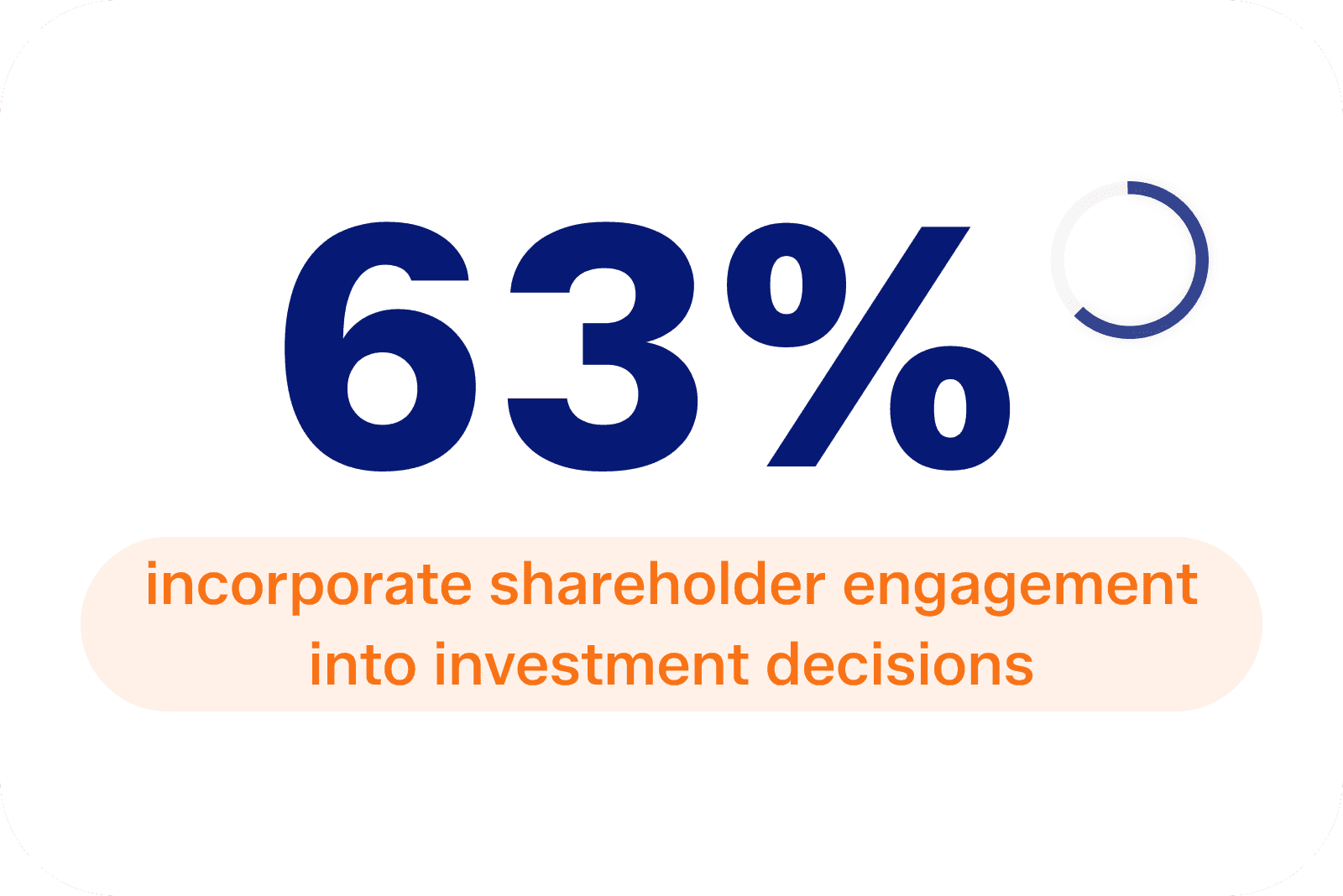
In Europe, that figure rises significantly – making shareholder engagement close to a universal investment consideration.
Governance pressure is shifting shareholder engagement from a compliance function towards a core investment discipline.
Proxy vote cost
Cost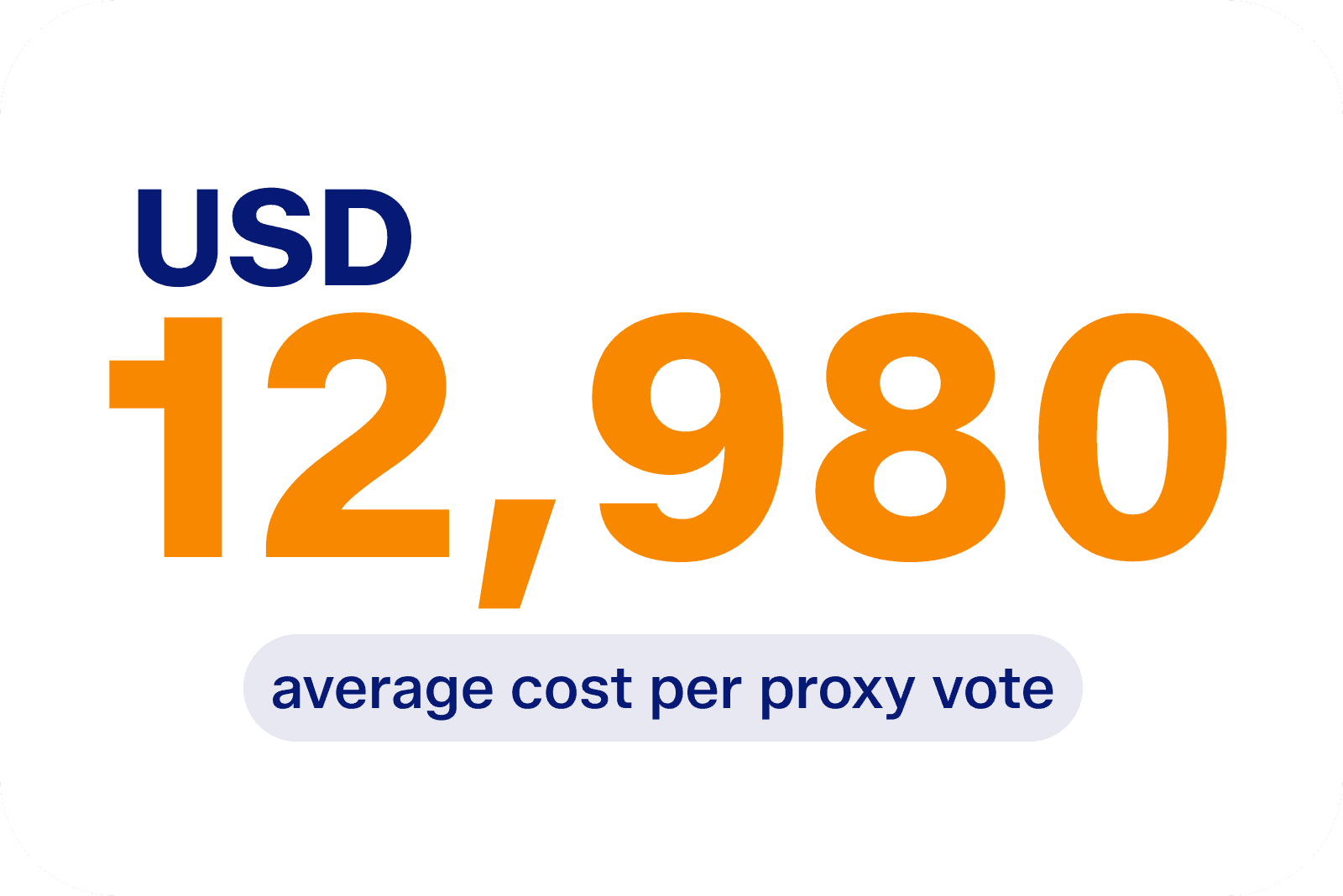
Issuers spend USD 5,206, intermediaries USD 1,850 and investors USD 5,924 – every participant absorbs part of the total.
The cost distribution reflects the fragmented, multi-step structure of today's proxy voting process.
Lost votes dominate
Risk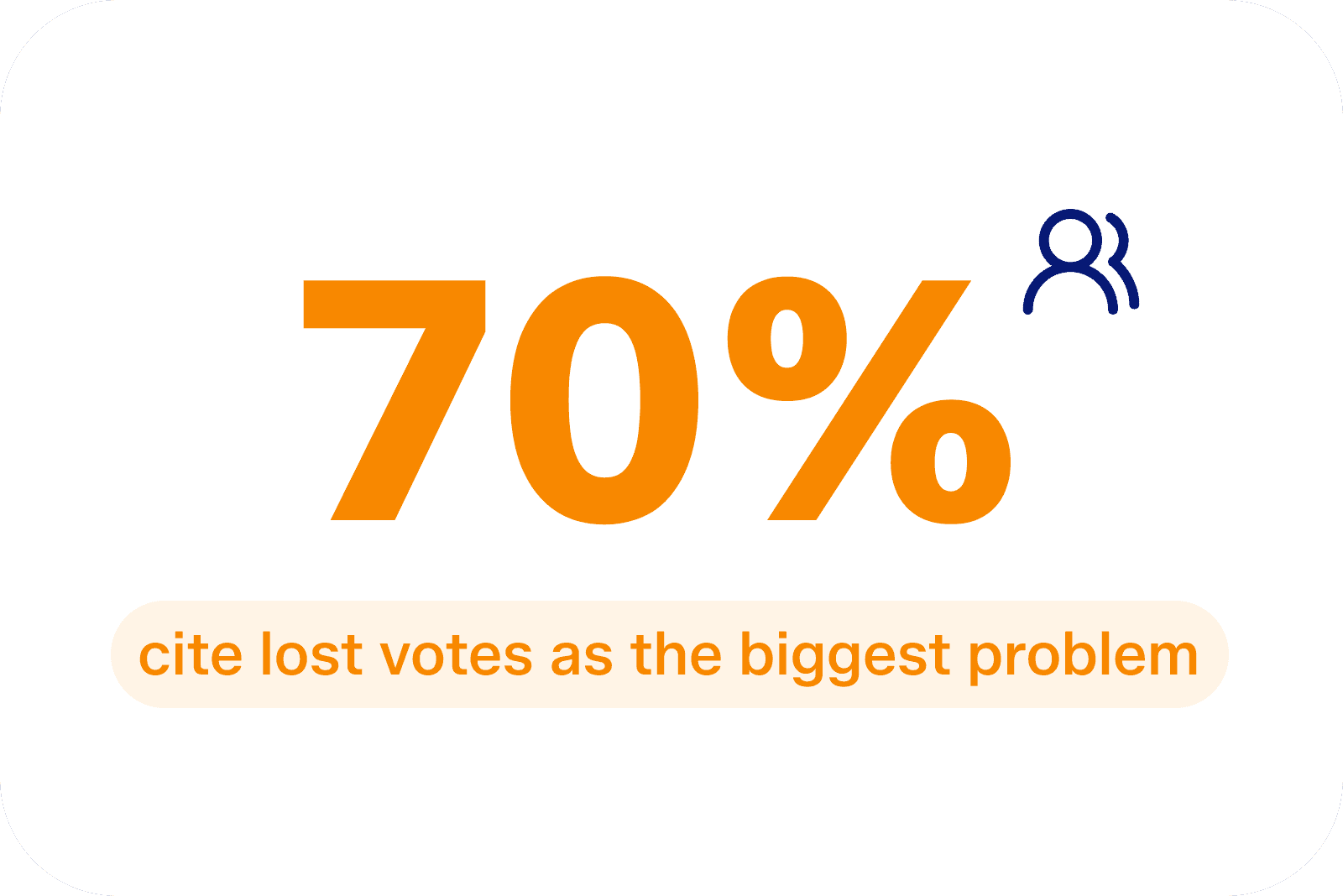
The majority report major issues overall but votes lost between investor and issuer remain the most damaging failure point.
Lost votes are the most damaging failure point for investors, at every level of the chain.
Environmental, social and governance (ESG) pressures are reshaping shareholder engagement across proxy voting and class actions. As participation rises across the investor spectrum, firms are being forced to reassess whether existing operations can support higher volumes, greater scrutiny and growing operational risk.
How much pressure are proxy voting and class action volumes placing on firms today? Where are new costs and risks emerging, and how are issuers, intermediaries and investors adapting their operating models to keep pace?
The findings draw on input from market participants around the world and provide a cross-market view of how shareholder engagement is evolving across issuers, intermediaries and investor clients.
The research, produced in partnership with FIS, Goal, International Securities Services Association (ISSA) and Proxymity, highlights:
63% of investors would incorporate shareholder engagement into investment management decisions, rising to 86% in Europe
US dollar (USD) 12,980 average cost per proxy vote: proxy voting remains operationally expensive, with issuers, intermediaries and investors each absorbing a share of the total cost
64% of investors report significant problems in shareholder engagement, with votes getting lost between investor and issuer the leading concern
Operational risk varies across the chain: the pressure points differ by participant type, showing that weaknesses are spread across the end-to-end process
Transformation is becoming more urgent: firms are rethinking proxy voting and class action processing as shareholder engagement moves closer to the centre of governance strategy
Keep reading — it's free
Verify your email to read this content
Ask the Xchange AI
Have a question about our research? Ask our AI assistant for specific insights.

Discover More
View All Insights
Xchange brief
22 October 2026
They have crossed from retail speculation into regulated financial market infrastructure: USD 63bn market grows by 300% per annum.
Report
21 October 2026
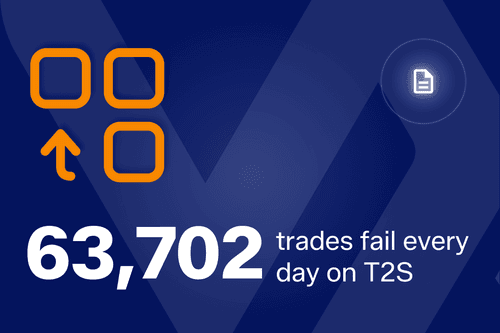
Explore why connected data flows are key to improving European settlement efficiency ahead of T+1.

Xchange brief
20 October 2026
USD 822bn cumulative volume in first five months of 2026. Perpetual futures are migrating into regulated capital markets.
Xchange brief
16 October 2026
T+1, tokenisation, 23x5 trading, and clearing mandates shift from rulebooks to live infrastructure. Are you ready?