
The case for collateral tokenisation 2025: report
A clear viewpoint on the journey to broad-based use of tokenised collateral.

In Partnership with





Collateral inefficiency is causing a measurable earnings and cost problem for financial institutions. This report examines how firms managing an average of USD 74 billion in collateral are losing value through unremunerated assets. It covers where tokenisation could lead to lower costs, better utilisation and higher treasury income.
Idle collateral today
Inefficiency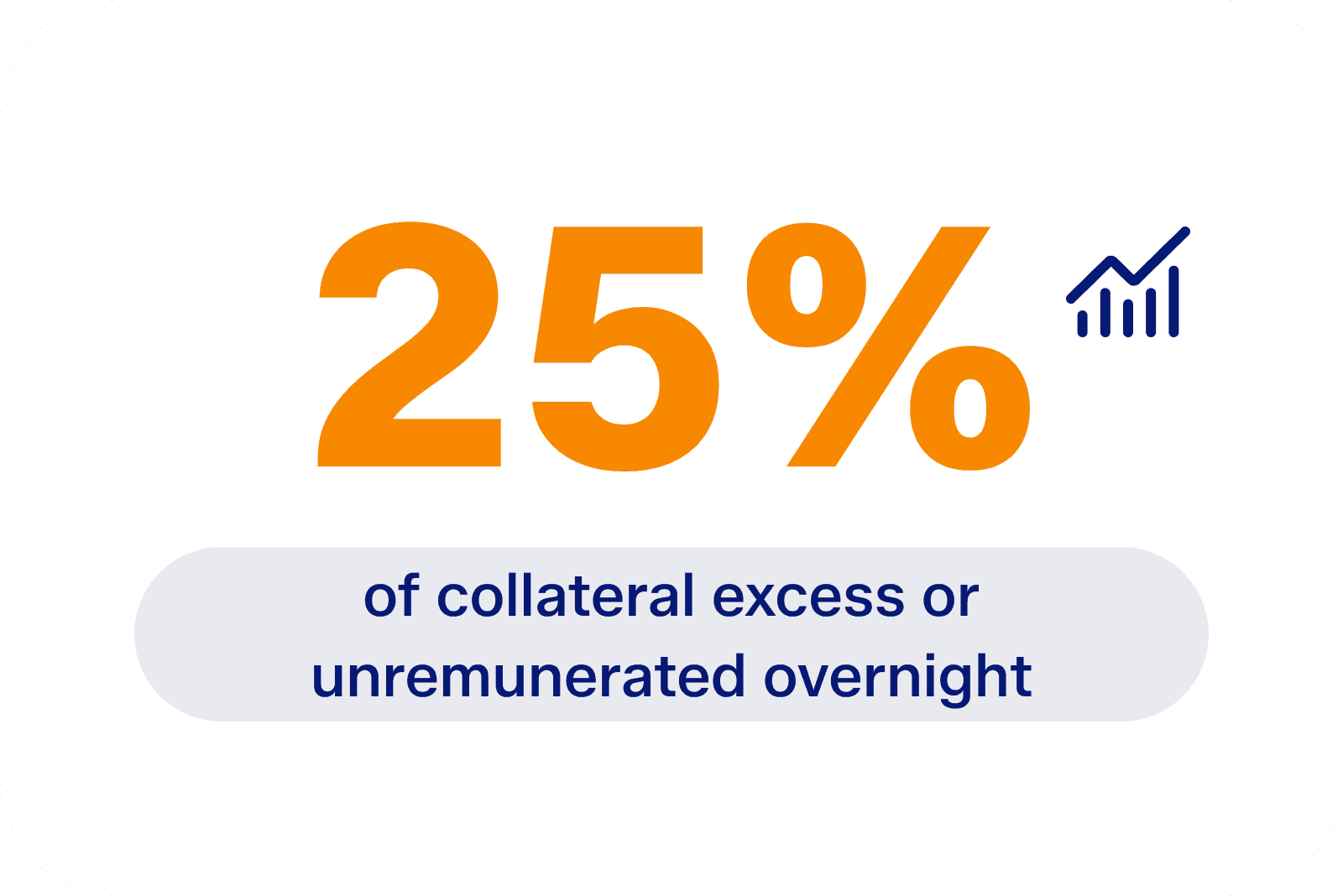
This represents potential average lost earnings of USD 2.82 billion per firm per annum — avoidable drag that tokenisation could directly address.
The scale of unremunerated collateral makes mobilisation efficiency one of the highest-value transformation opportunities available.
Tier one savings
Savings
Tier two and tier three firms would also benefit, with expected savings of USD 190 million and USD 7.7 million respectively.
The savings are driven by better mobilisation, reduced over-posting and improved use of collateral already held.
Going live in 2026
Adoption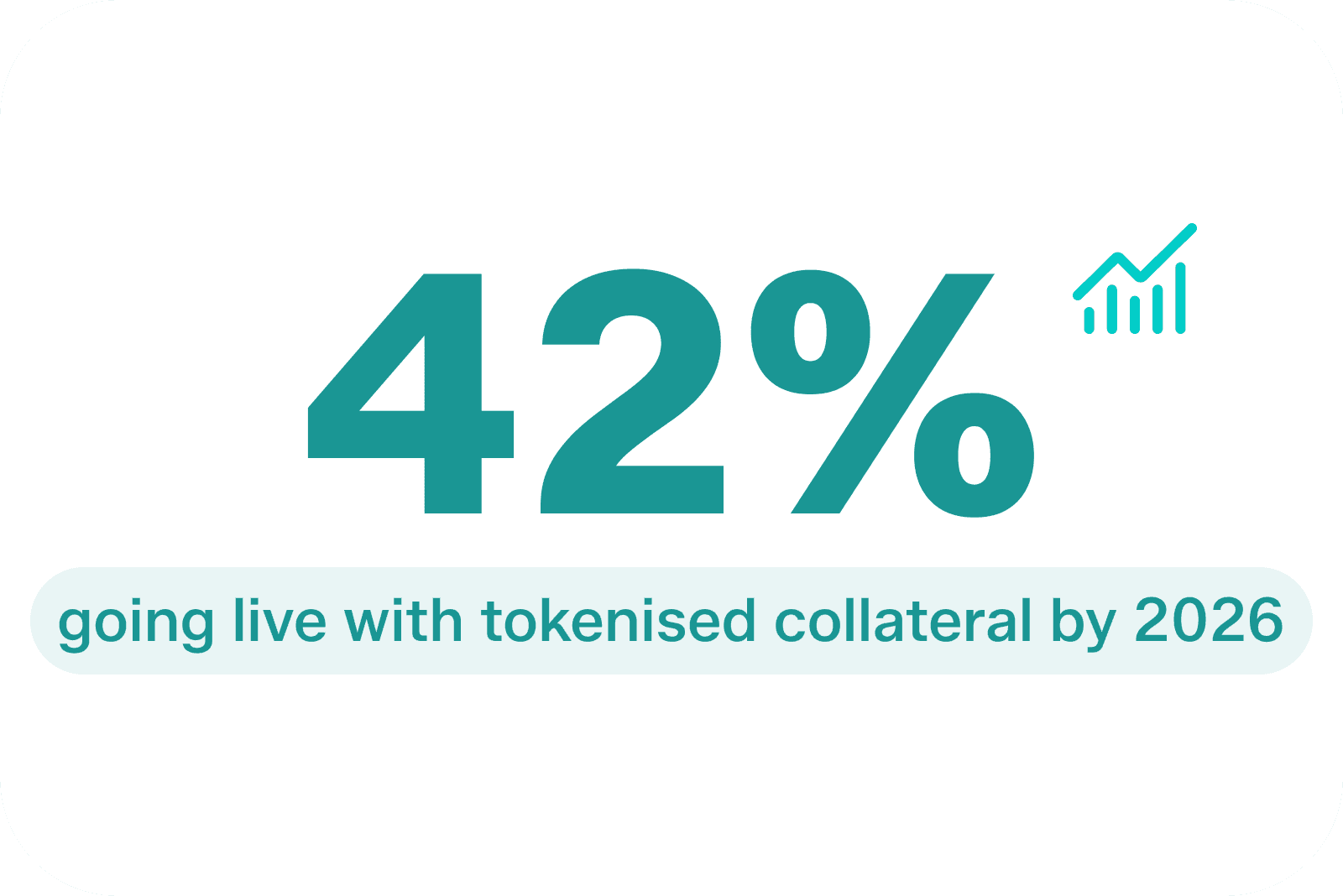
Custodians are moving faster than most front-office participants — suggesting the infrastructure layer is ahead of the market.
The gap between custodian and market-wide readiness will shape how quickly tokenised collateral reaches meaningful scale.
Collateral inefficiency is too expensive to ignore. As firms manage larger pools of collateral under tighter liquidity constraints, tokenisation is a practical way to reduce friction and unlock value.
How much capital is currently trapped by precautionary buffers, settlement uncertainty and underused collateral? What would change if firms could move collateral more efficiently, reduce operating drag and improve earnings at scale?
The whitepaper examines the operational, financial and strategic case for tokenised collateral. It draws on market evidence around current inefficiencies, expected savings and the conditions needed for broader adoption across the collateral lifecycle.
The research, produced in partnership with Nasdaq, highlights:
The average firm manages US dollar (USD) 74 billion in collateral, illustrating the scale of assets exposed to inefficient processes and restricted mobility
25% of collateral remains unremunerated overnight or is posted as additional buffer, creating avoidable drag on treasury performance
Tokenisation could reduce operating costs by 12%, lower buffer capital needs by 12% and improve collateral utilisation by 3.2%
The opportunity is estimated at USD 346 million for Tier 1 firms, USD 190 million for Tier 2 firms and USD 7.7 million for Tier 3 firms
Adoption depends on market readiness: legal certainty, regulatory clarity, technology infrastructure and ecosystem coordination will shape how quickly firms can move from interest to implementation
Keep reading — it's free
Verify your email to read this content
Ask the Xchange AI
Have a question about our research? Ask our AI assistant for specific insights.
SHARE THIS INSIGHT

Discover More
View All Insights
Xchange brief
22 October 2026
They have crossed from retail speculation into regulated financial market infrastructure: USD 63bn market grows by 300% per annum.
Report
21 October 2026
Explore why connected data flows are key to improving European settlement efficiency ahead of T+1.

Xchange brief
20 October 2026
USD 822bn cumulative volume in first five months of 2026. Perpetual futures are migrating into regulated capital markets.

Xchange brief
16 October 2026
T+1, tokenisation, 23x5 trading, and clearing mandates shift from rulebooks to live infrastructure. Are you ready?