
Comparison of global securities settlement discipline regimes: report
How does South Africa’s settlement discipline regime compare with other major global markets?
In Partnership with

Explore how settlement discipline operates across South Africa, the EU, Hong Kong, the UK and the US, and what global practices could mean for South Africa as markets move towards T+1.
Fines remain low
South Africa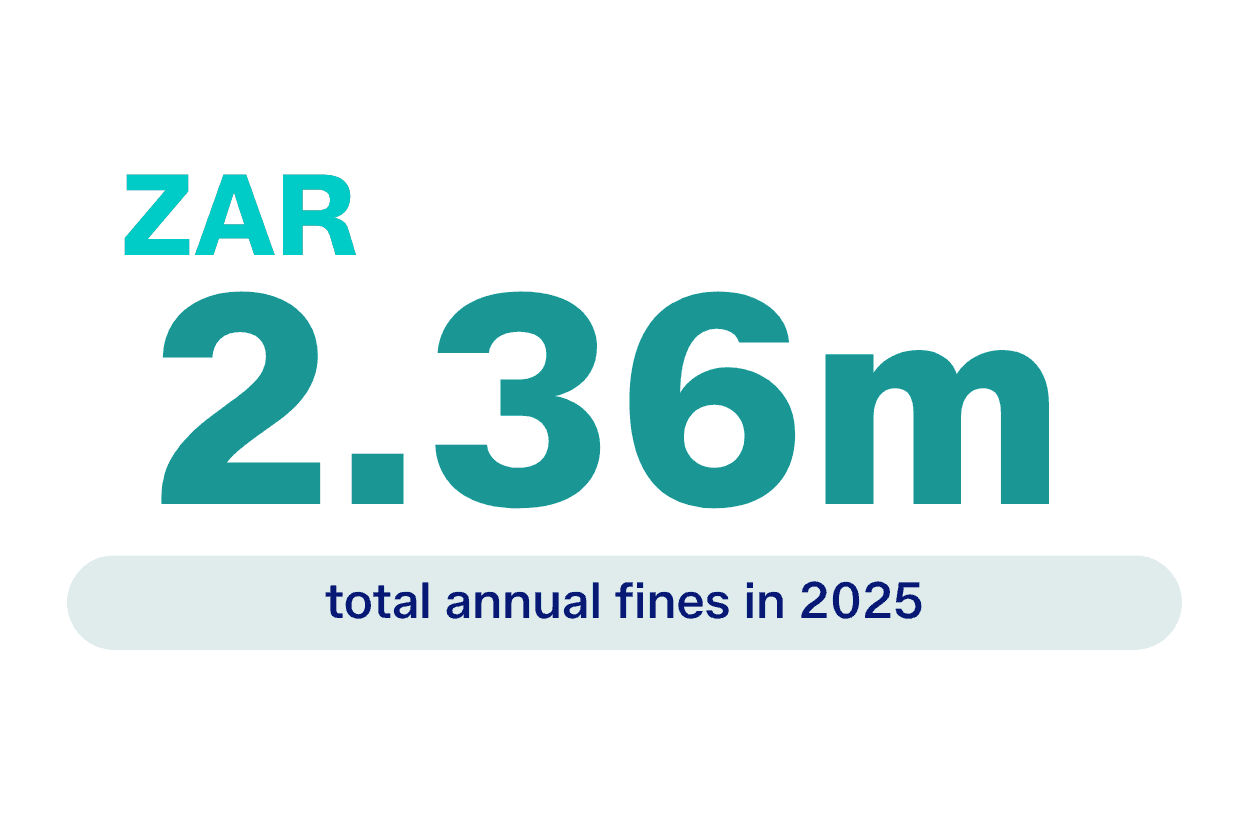
Overall market materiality remains exceptionally low.
Despite processing ZAR 167 trillion in annualised settlement value, Strate’s total annual fines pool reached just ZAR 2.36 million in 2025.
Cross-border friction
Foreign Clients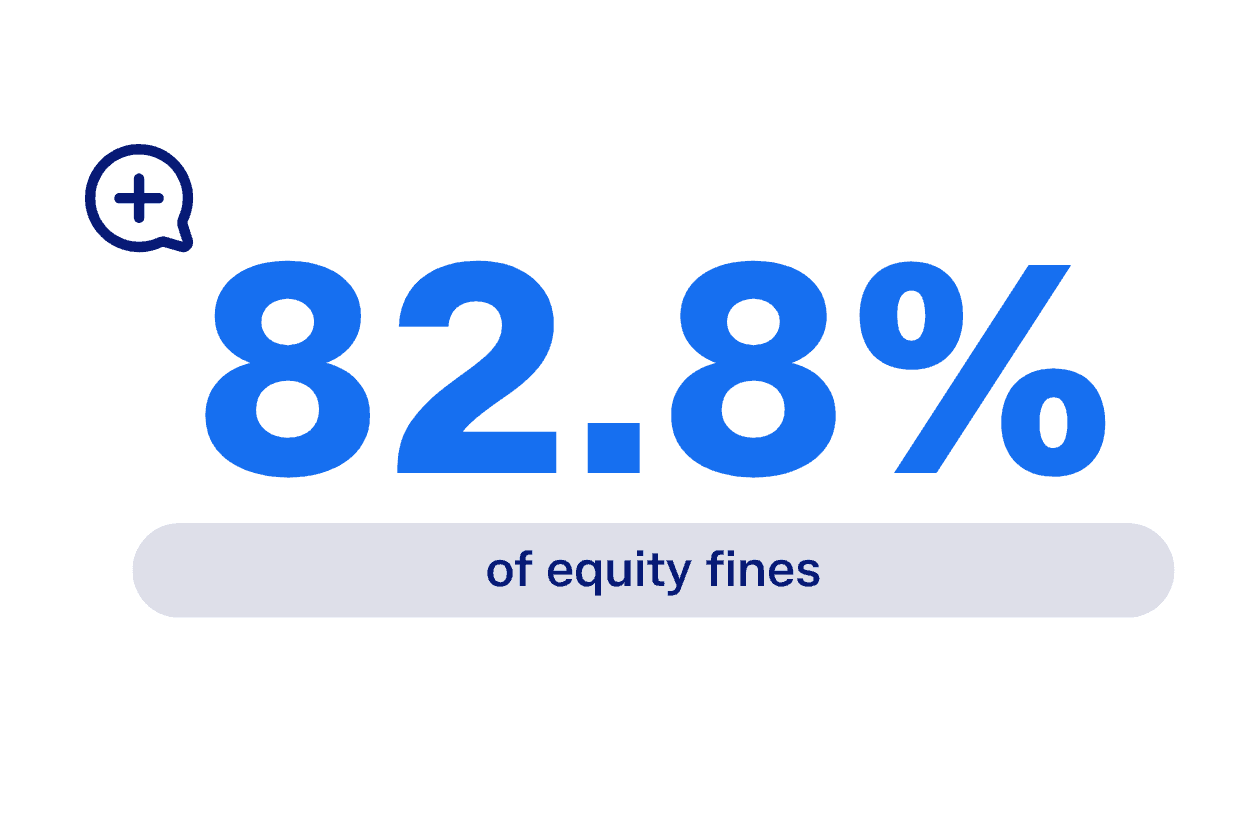
Foreign clients represent most of this friction.
Foreign clients drive the majority of settlement friction in South Africa, accounting for 82.8% of equity fines and 66.1% of bond fines.
Millions of penalties
EU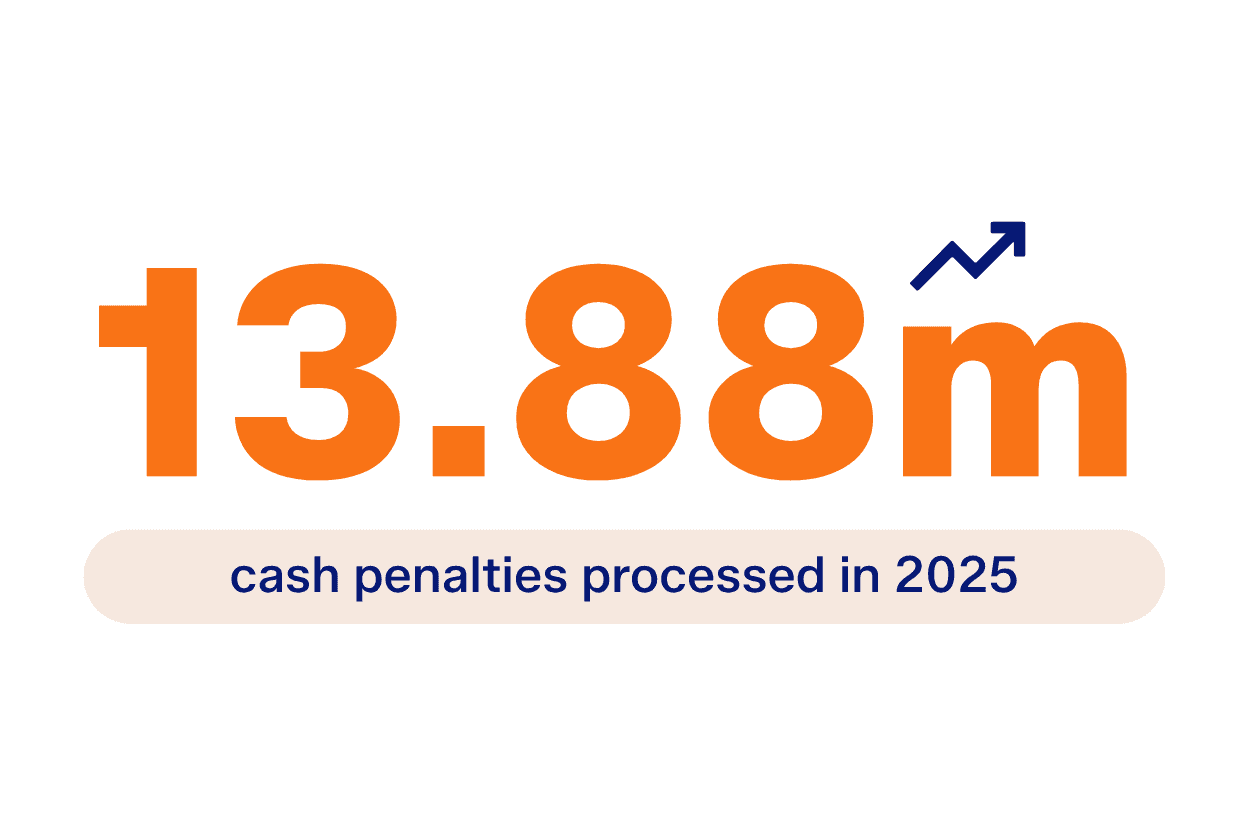
EU’s micro-penalties often cost more to process than their value.
T2S processed 13.88 million cash penalties in 2025, with an average value of just EUR 38.60 per penalty.
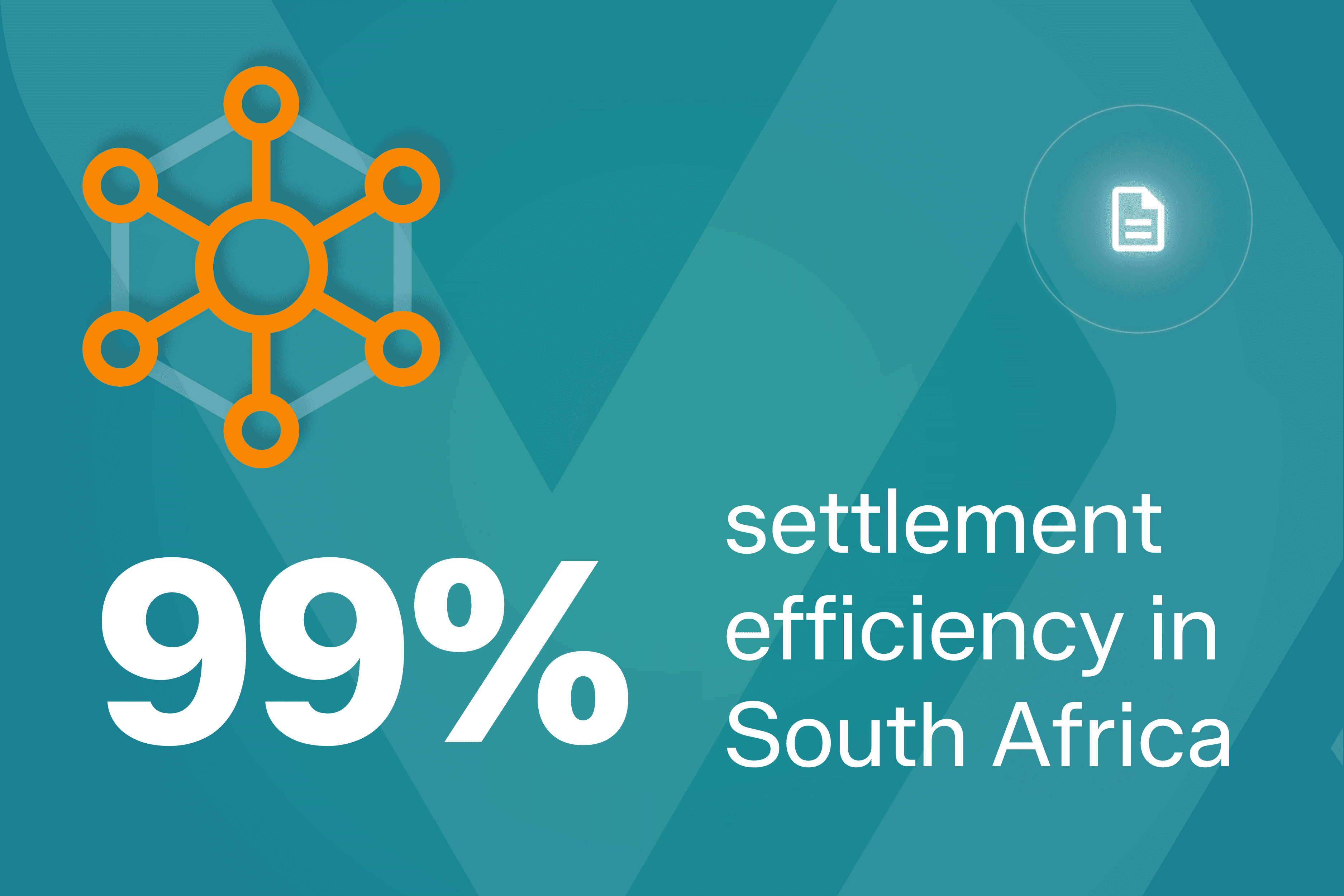
South Africa currently achieves a settlement efficiency rate of 99%, supported by a settlement discipline model that differs significantly from those used across other major markets.
This report compares settlement discipline regimes across South Africa, the European Union, Hong Kong, the United Kingdom and the United States, examining their structure, enforcement, fine materiality and effectiveness.
The report explores:
- How settlement discipline frameworks differ across five major markets
- How fines and enforcement mechanisms compare in structure and materiality
- The role of foreign participation in South Africa’s settlement friction
- How different approaches translate into settlement efficiency
- What the transition towards T+1 could mean for South Africa’s existing model
With global markets continuing to accelerate settlement cycles, the report considers which elements of South Africa’s current regime should be preserved and where operational enhancements could strengthen its resilience.
Keep reading — it's free
Verify your email to read this content
Ask the Xchange AI
Have a question about our research? Ask our AI assistant for specific insights.
Content Types
SHARE THIS INSIGHT

Discover More
View All Insights
Webinar
11 November 2026
Join industry leaders for a live discussion on AI adoption, value and scale across post-trade.
Key findings
10 November 2026
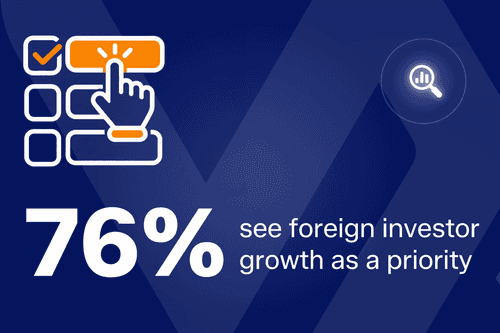
Foreign investor flows are growing across every region. Explore the barriers to further growth.
Xchange brief
9 November 2026
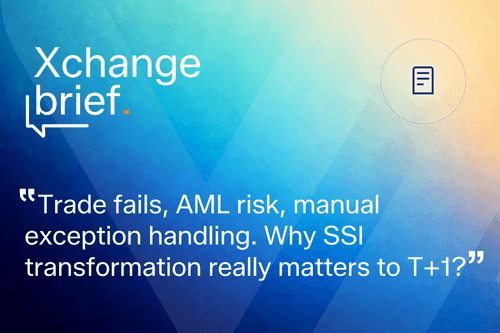
How can automated SSIs and continuous KYC help firms reduce settlement risk ahead of the UK’s move to T+1?
Webinar recording
9 November 2026
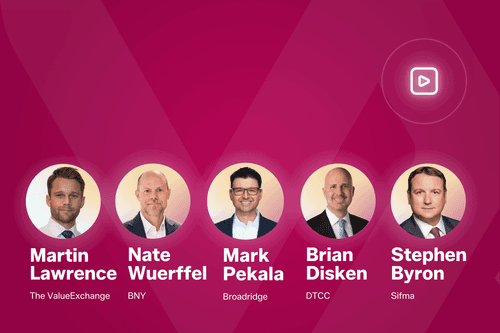
Watch the discussion with BNY, Broadridge, DTCC and SIFMA on US Treasury central clearing.