T+1 in Asia-Pacific - finding a common ground: whitepaper
Finding common ground on the path to T+1 across Asia-Pacific markets.
In Partnership with






T+1 in Asia-Pacific will depend on more than regional momentum alone. This whitepaper examines how firms are approaching shorter settlement cycles, where operational acceleration is most urgent and why market alignment across rules, timings, FX and funding will be critical to success.
APAC T+1 engagement
Engagement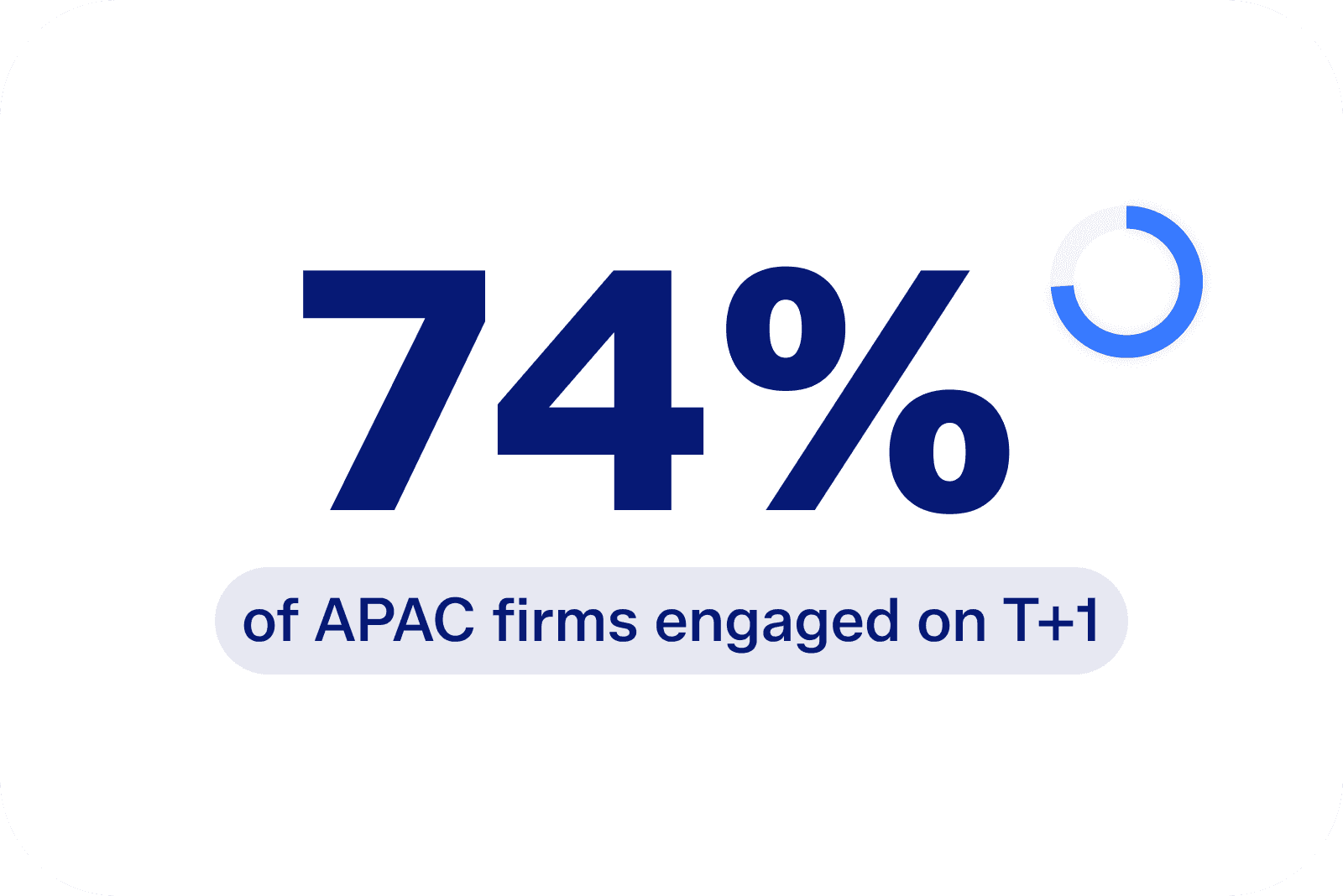
At this stage, APAC appears ahead of peer markets on overall engagement — but engagement and operational readiness are not the same thing.
The gap between participation and preparedness remains significant, with funding, FX and timing pressures still unresolved.
Processing must accelerate
Acceleration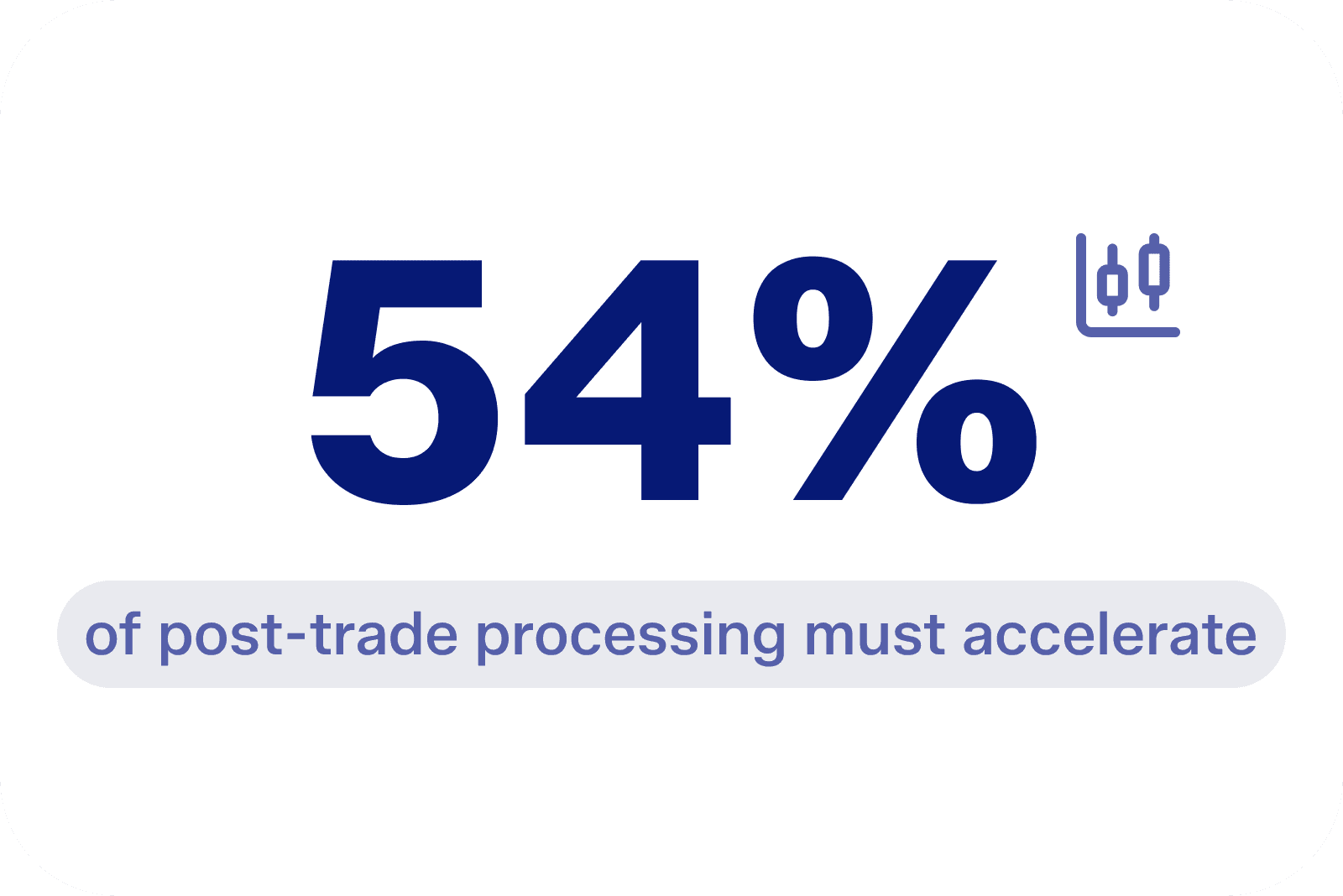
For settlement instructions specifically, the figure rises to 70% — showing that the acceleration challenge is concentrated at the most time-critical point.
Confirmations, allocations and settlement instructions are all facing materially tighter cut-off windows as the cycle compresses.
Funding strain ahead
Risk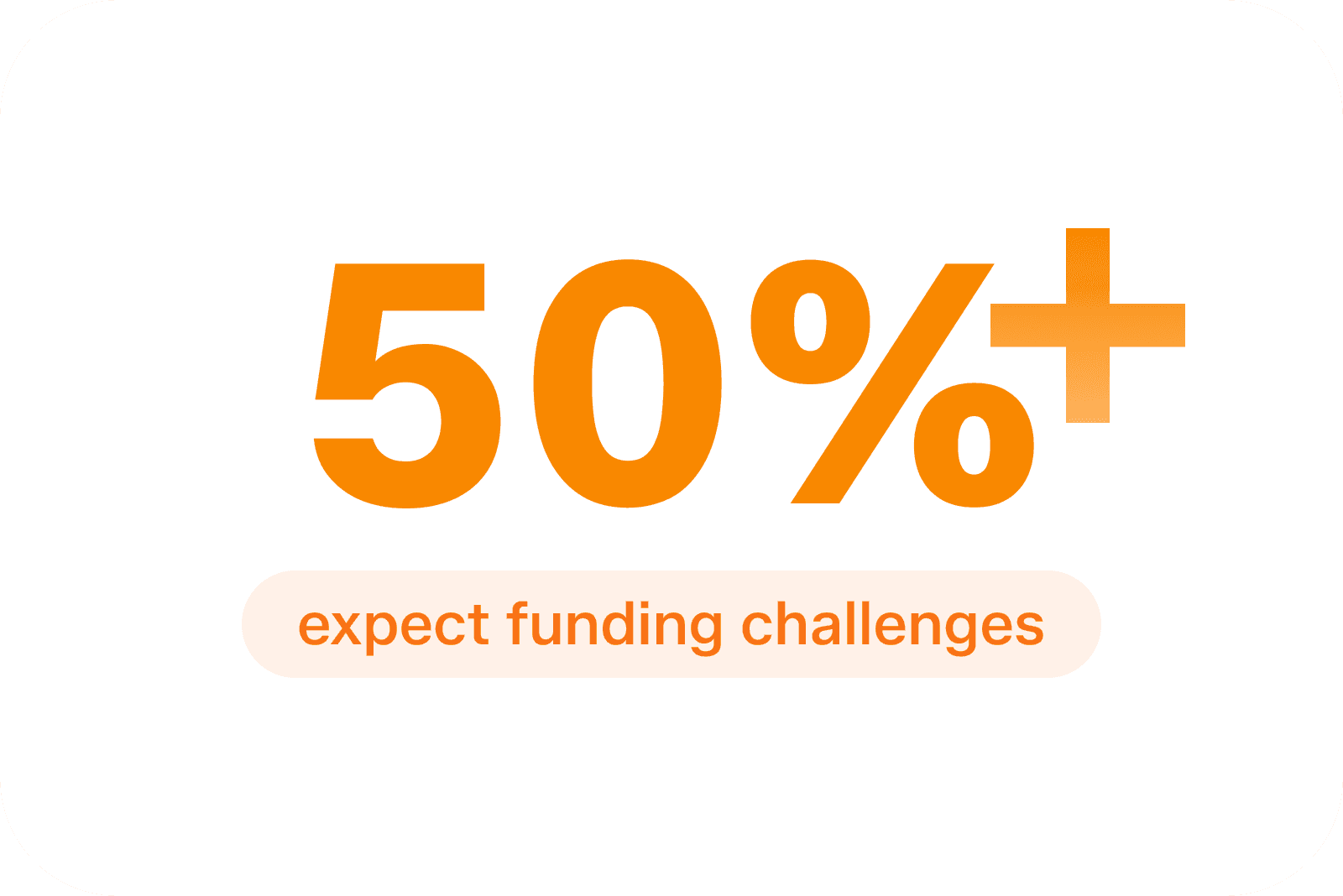
Fails management is the leading concern in tier one markets, while FX and funding are the dominant pressure points in tier two and tier three markets.
The risk profile varies materially by market tier, making a single regional response unlikely to be sufficient.
T+1 in Asia-Pacific is moving from discussion to active planning, but the region faces a more complex transition path than many other markets. Shorter settlement cycles will place greater pressure on processing timelines, funding models and cross-border coordination across markets with very different structures.
How prepared is Asia-Pacific for T+1 in practice? Where will firms face the greatest operational and funding strain as settlement windows begin to compress?
The whitepaper examines how the region is adapting to shorter settlement cycles and what still needs to align before T+1 becomes workable across Asia-Pacific (APAC). Based on input from 244 global and regional firms, it looks at readiness levels, differences in market structure, the impact of time zones and cut-off windows, and the distinct risk pressures affecting each market.
The research, developed in partnership with Depository Trust & Clearing Corporation (DTCC), FIS, Nasdaq, Standard Chartered and Society for Worldwide Interbank Financial Telecommunication (SWIFT), highlights:
74% actively engaged on T+1: most respondents across APAC are already involved in planning or preparation activity
54% of post-trade processing must accelerate: more than half of regional post-trade activity will need to move faster under T+1
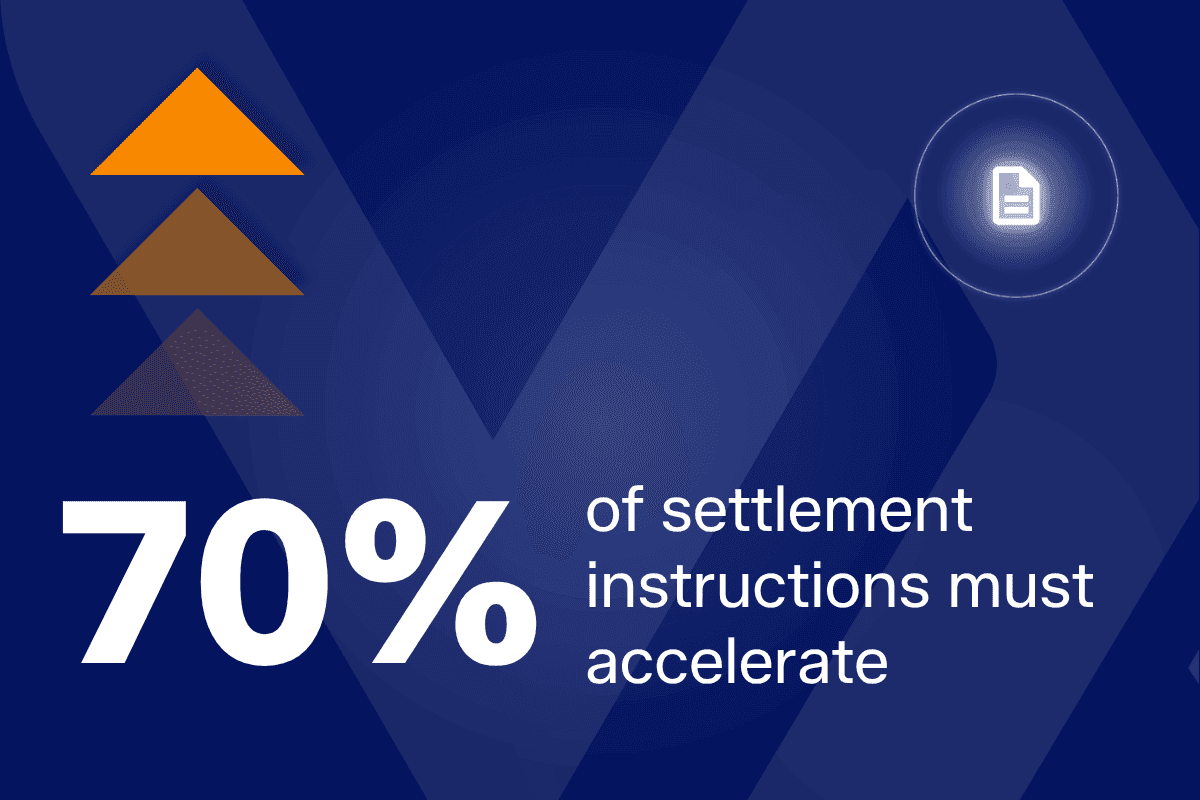
70% of settlement instructions must accelerate: settlement instructions face some of the most significant timing pressure as the cycle compresses
More than 50% expect funding challenges: firms anticipate particular strain in funding and fails discipline, with foreign exchange (FX) and funding pressures central across Asian markets
100% of foreign investors want greater alignment: all foreign investors surveyed see harmonised rules and timings across Asia as a critical enabler of T+1
Keep reading — it's free
Verify your email to read this content
Ask the Xchange AI
Have a question about our research? Ask our AI assistant for specific insights.
SHARE THIS INSIGHT

Discover More
View All Insights
Xchange brief
22 October 2026
They have crossed from retail speculation into regulated financial market infrastructure: USD 63bn market grows by 300% per annum.
Report
21 October 2026
Explore why connected data flows are key to improving European settlement efficiency ahead of T+1.

Xchange brief
20 October 2026
USD 822bn cumulative volume in first five months of 2026. Perpetual futures are migrating into regulated capital markets.
Xchange brief
16 October 2026
T+1, tokenisation, 23x5 trading, and clearing mandates shift from rulebooks to live infrastructure. Are you ready?