T+1 in Asia - making global settlements work in Asia: report
How global settlement change is increasing pressure on Asia’s post-trade operating model.
In Partnership with



As T+1 settlement accelerates globally, Asian firms face growing pressure from legacy infrastructure, cross-border dependencies and tighter trade-date processing demands. This report examines where the region is most exposed and what will be required to support a more resilient settlement model.
Asia legacy platforms
Technology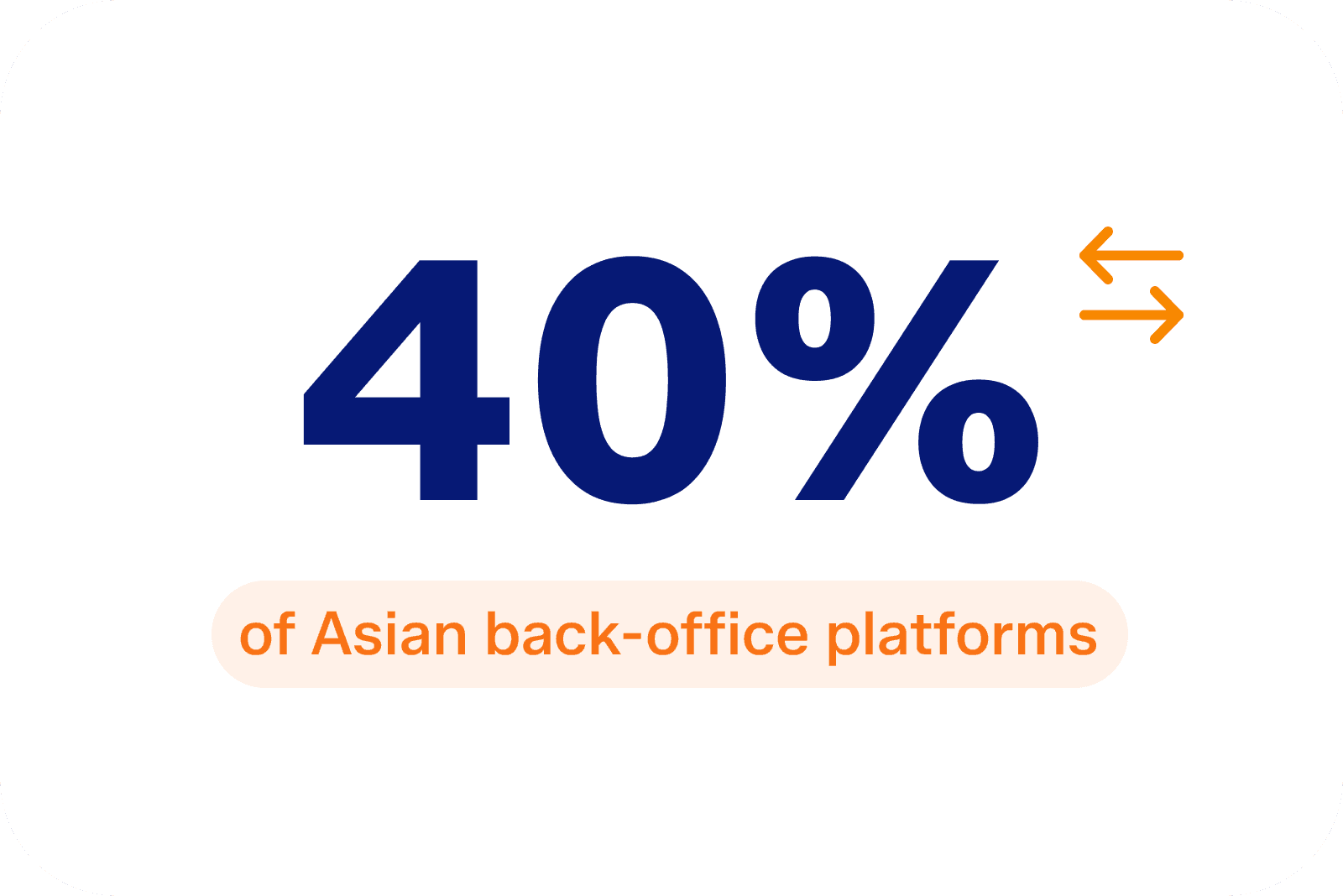
Asia has the highest level of legacy back-office technology globally, with 16% of systems approaching end-of-life within three years.
The combination of legacy infrastructure and faster settlement cycles is creating a compounding operational risk.
North America dependency
Exposure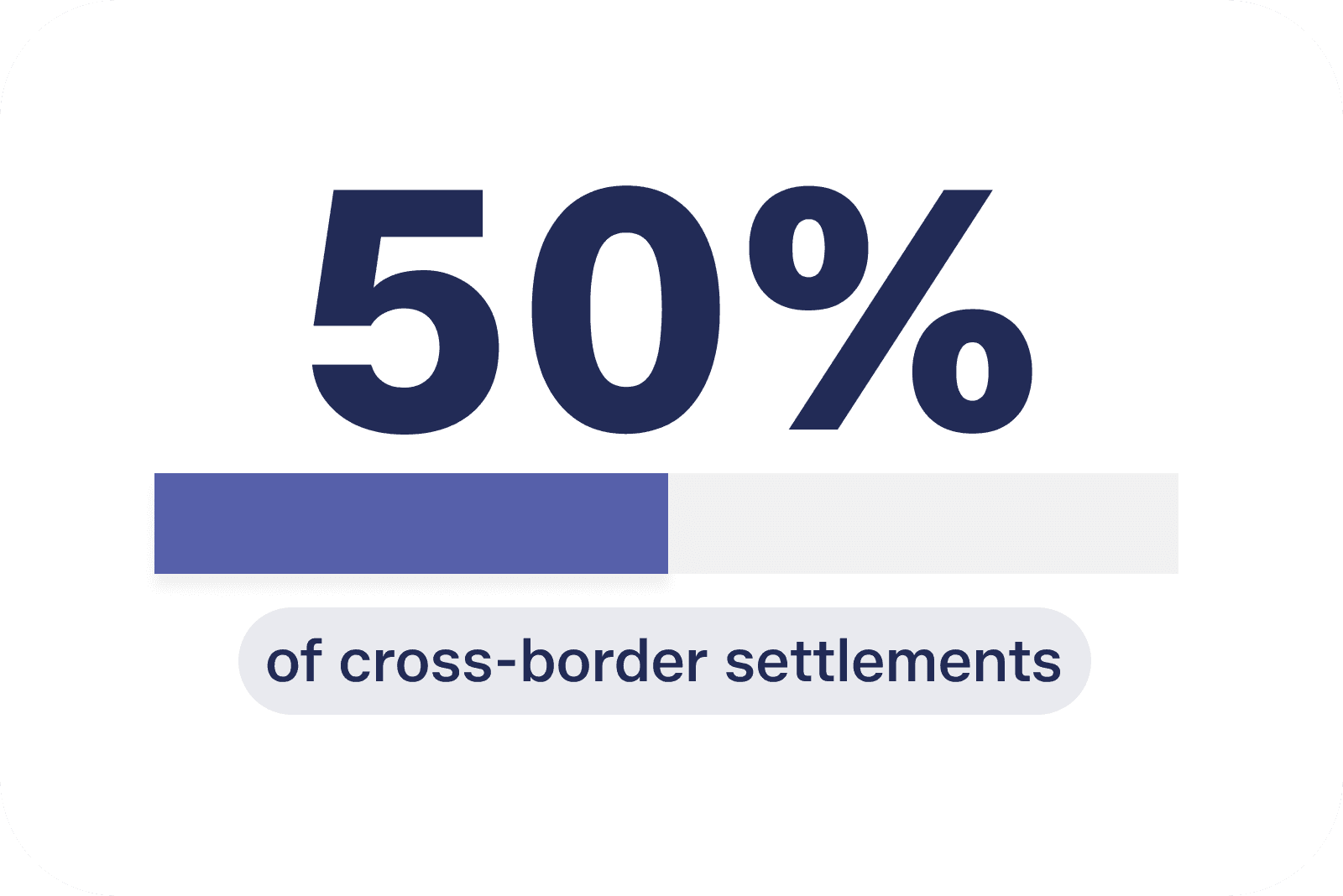
More institutional trades from Asia leave the region than remain within it — creating direct exposure to North American settlement cycle changes.
T+1 in North America is not a distant market change for Asian firms — it is already reshaping daily operations.
Trade date pressure
Operations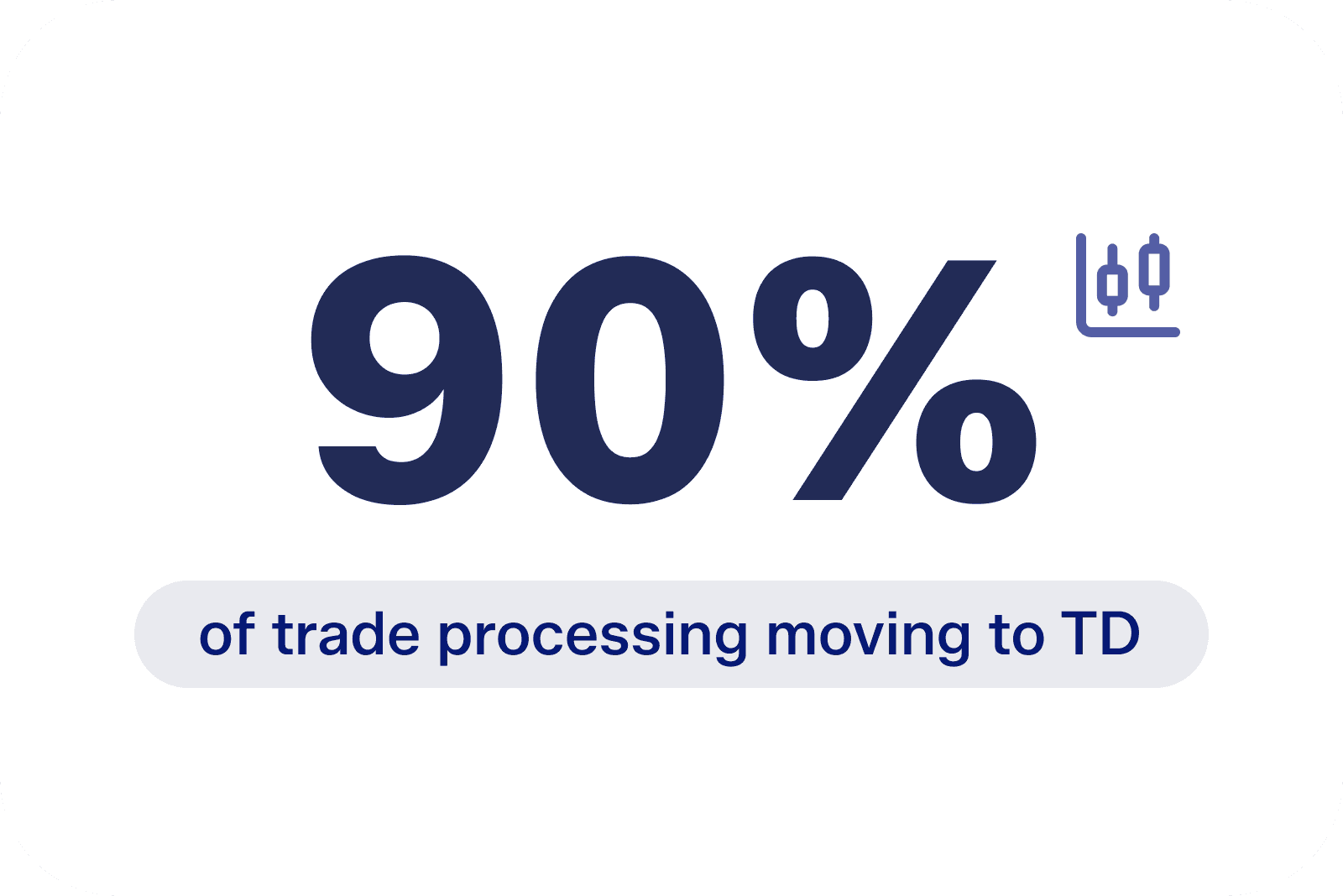
With the vast majority of processing moving to trade date, the time available is limited — intelligent automation is becoming urgent.
The window to adapt before the pressure becomes unmanageable is narrowing.
Global settlement change is creating a disproportionate challenge for Asia. As more activity moves to a trade-date basis and cross-border dependencies increase, existing post-trade infrastructure is coming under greater pressure from speed, complexity and external market exposure.
How prepared is Asia for a world of faster global settlement? What happens when legacy platforms and cross-border processing demands collide with tighter operational timelines?
The report examines how T+1 and broader settlement acceleration are affecting Asian post-trade operations. It looks at the region's exposure to North American markets, the age of existing back-office platforms and the operational strain created by compressed processing windows.
The research, sponsored by Digital Asset and co-written with SWIFT, highlights:
40% of platforms older than 10 years: Asia has the highest level of legacy back-office technology globally, with 16% of systems approaching end-of-life in the next three years
50% of cross-border settlements linked to North America: half of Asian cross-border settlements relate to North American securities, exceeding the 45% that remain within Asia
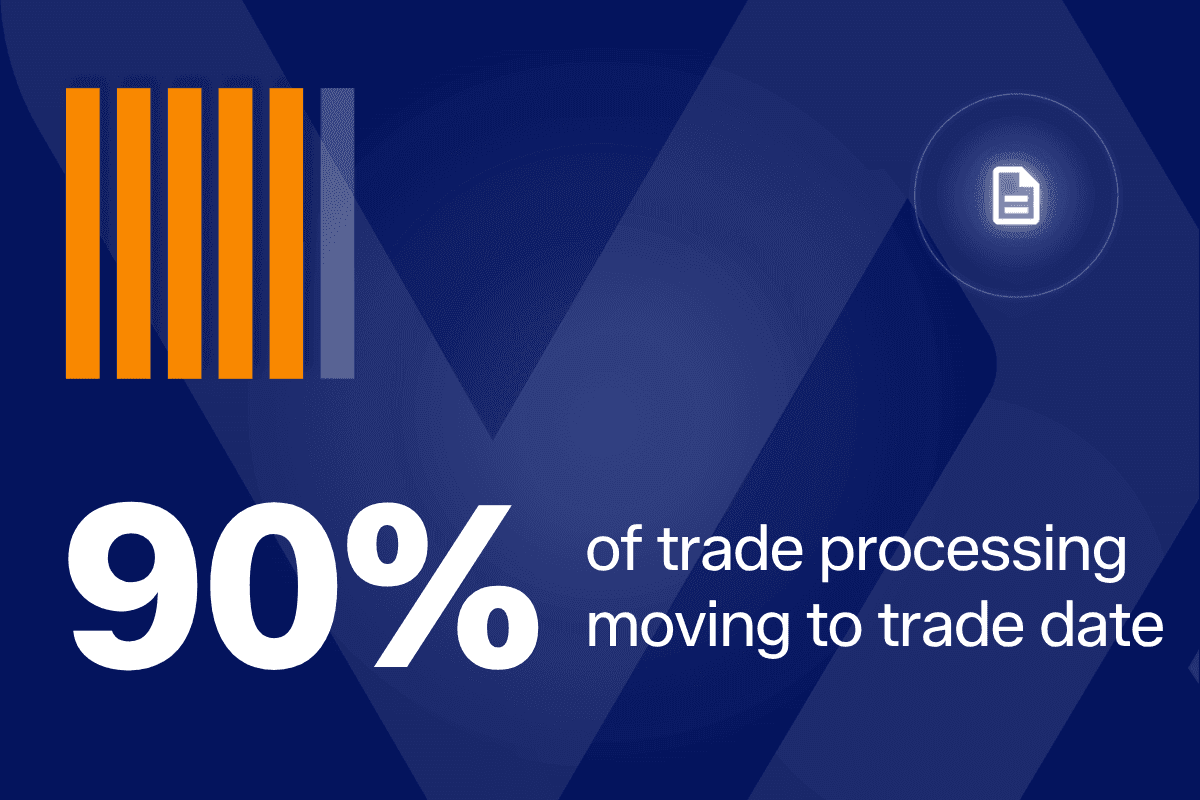
90% of processing moving to trade date: compressed settlement timelines are shifting most trade processing onto trade date, increasing pressure on existing operating models
Keep reading — it's free
Verify your email to read this content
Ask the Xchange AI
Have a question about our research? Ask our AI assistant for specific insights.
SHARE THIS INSIGHT

Discover More
View All Insights
Xchange brief
22 October 2026
They have crossed from retail speculation into regulated financial market infrastructure: USD 63bn market grows by 300% per annum.
Report
21 October 2026
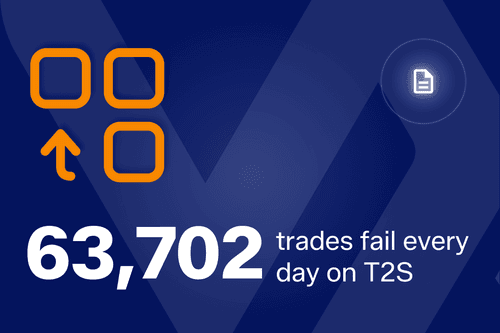
Explore why connected data flows are key to improving European settlement efficiency ahead of T+1.
Xchange brief
20 October 2026
USD 822bn cumulative volume in first five months of 2026. Perpetual futures are migrating into regulated capital markets.
Xchange brief
16 October 2026
T+1, tokenisation, 23x5 trading, and clearing mandates shift from rulebooks to live infrastructure. Are you ready?