Securities finance in APAC: whitepaper
A closer look at the forces reshaping securities finance across APAC markets.
In Partnership with


APAC securities lending is evolving under the combined pressure of market structure, regulation, settlement change and digital innovation. This whitepaper examines the role of opportunity borrowing, the impact of T+1 on securities borrowing and lending workflows, and the growing influence of tokenised collateral across the region.
APAC lending revenues
Revenue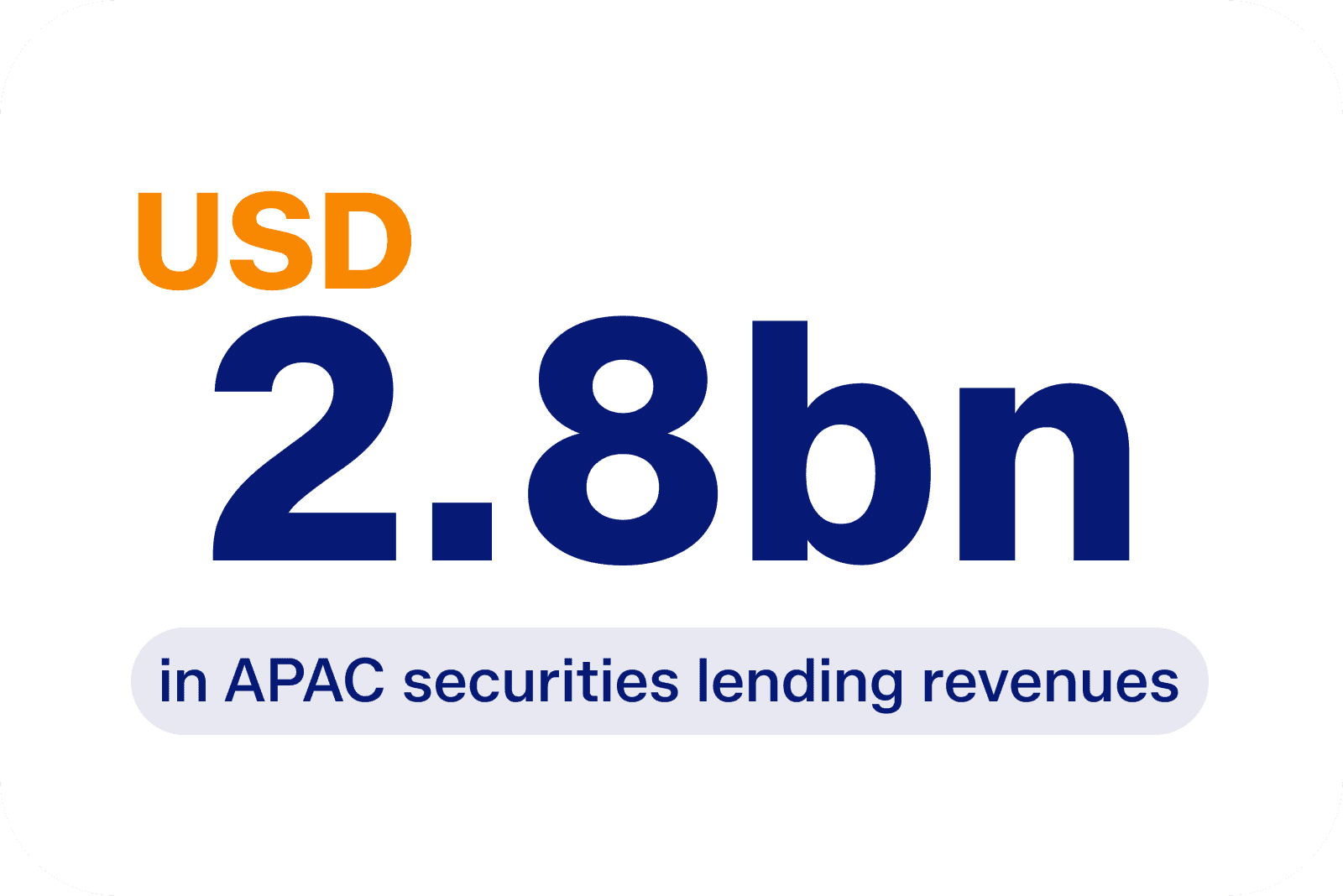
The market is defined by 85–90% opportunity-driven borrowing across more than 14 regulatory environments — making standardisation both valuable and complex.
Efficiency gains in this market would have a disproportionate impact on overall returns given revenue concentration.
Hong Kong momentum
Growth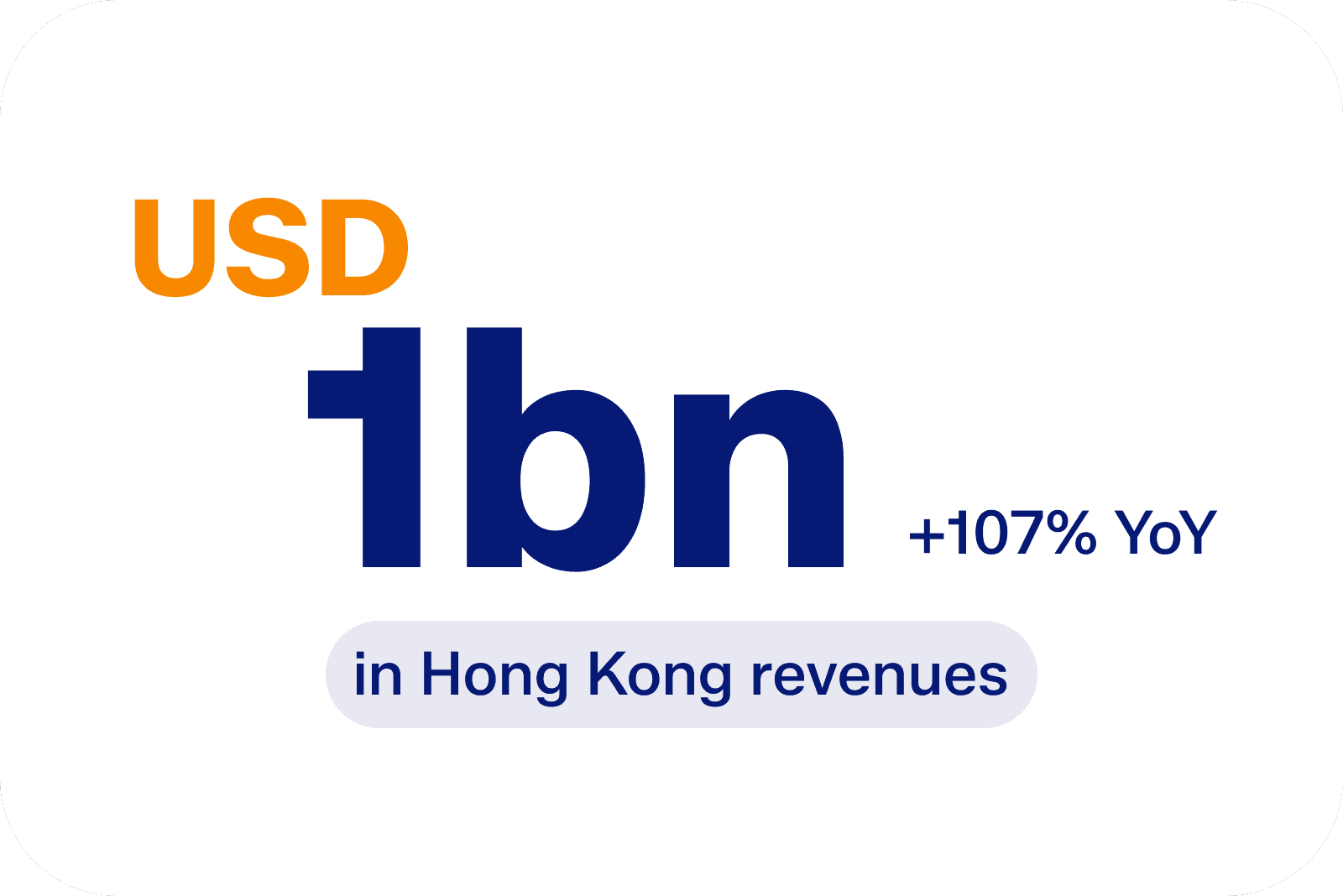
Hong Kong combines strong lending revenues with a clear regulatory framework — its intent-based regime and designated securities list create a structured and attractive market.
The pace of growth reflects both underlying demand and the regulatory clarity that gives lenders confidence to participate actively.
Japan vs Australia
Structure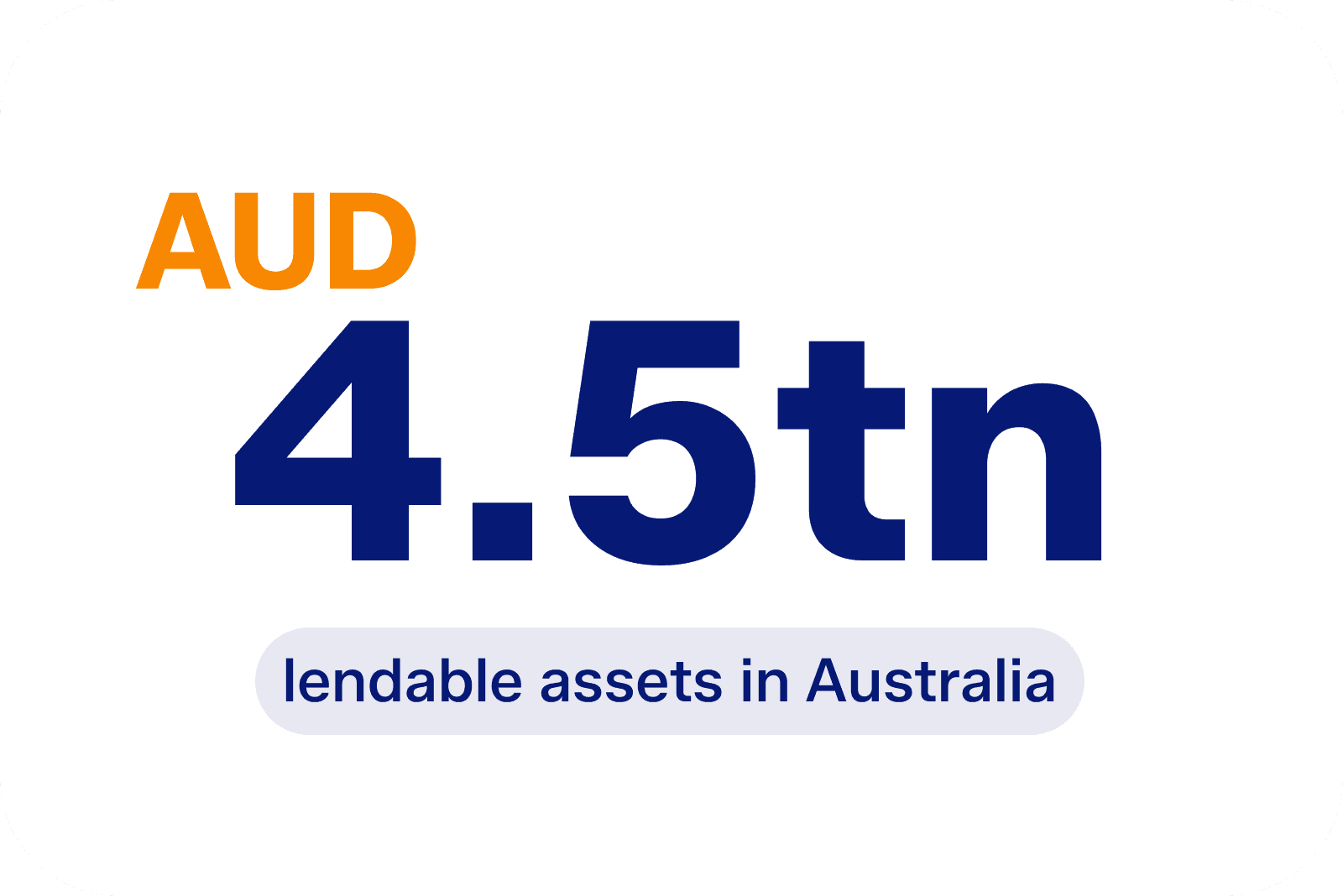
Japan is defined by a dual market structure and JGB collateral — Australia by tax rules and the scale of superannuation.
Understanding these structural differences is essential for firms looking to grow or optimise their APAC securities lending activity.
Securities finance in Asia-Pacific (APAC) is changing as regional market structures, settlement reform and digital infrastructure begin to reshape how liquidity is sourced and managed. The challenge for firms is not only navigating fragmentation, but understanding how borrowing models, operational design and collateral innovation will influence future competitiveness.
What is driving the next phase of securities borrowing and lending across APAC? How will T+1, market-specific structure and tokenised collateral affect regional workflows and liquidity formation?
The whitepaper examines the structural, regulatory and technological forces shaping securities finance in APAC. It looks at the dominance of opportunity borrowing, the implications of T+1 settlement cycles, the growing relevance of tokenised collateral and the distinct market dynamics emerging in Hong Kong, Japan and Australia.
The research, sponsored by FIS, highlights:
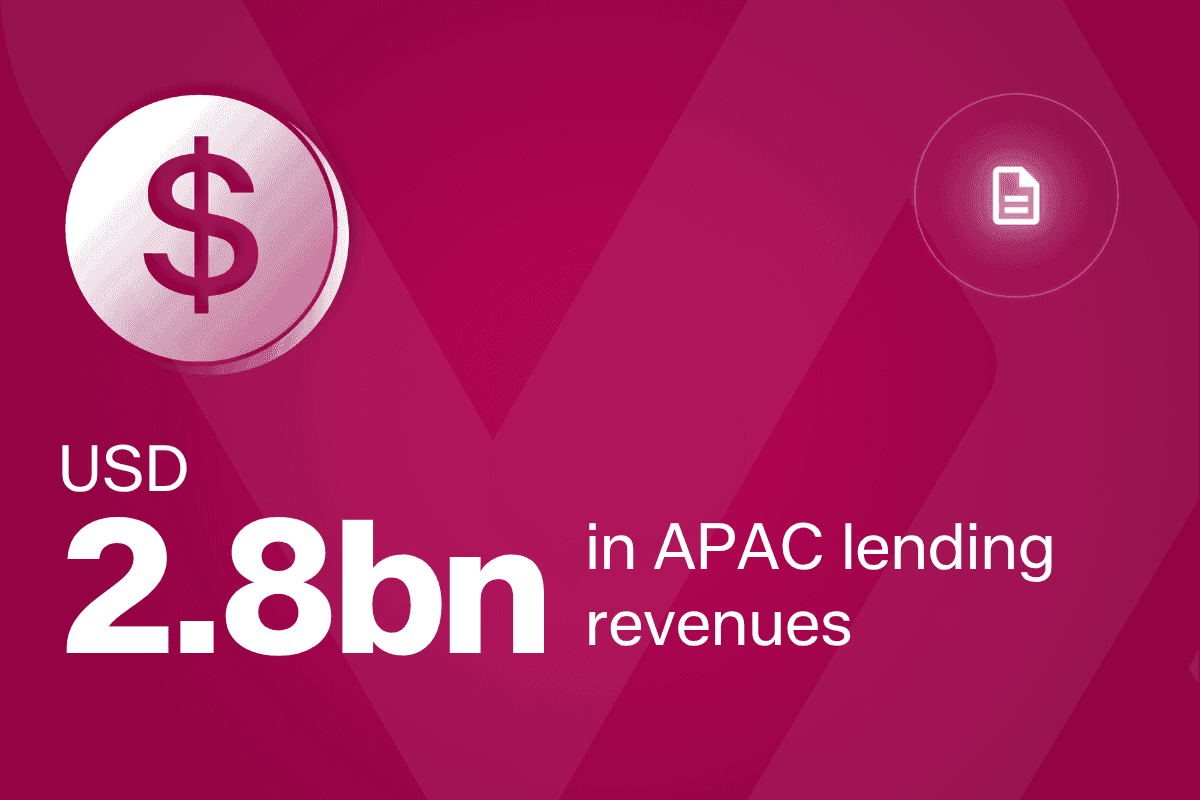
US dollar (USD) 2.8 billion in regional revenues: APAC securities lending continues to represent a significant commercial opportunity across diverse market structures
85–90% based on opportunity borrowing: most regional activity remains driven by opportunity borrowing rather than centralised programme models
T+1 reshaping securities borrowing and lending (SBL) workflows: shorter settlement cycles are expected to increase pressure on borrowing, inventory and operational timing across the region
Digital infrastructure is beginning to play a larger role in how firms think about collateral mobility and efficiency
Keep reading — it's free
Verify your email to read this content
Ask the Xchange AI
Have a question about our research? Ask our AI assistant for specific insights.
SHARE THIS INSIGHT

Discover More
View All Insights
Xchange brief
22 October 2026
They have crossed from retail speculation into regulated financial market infrastructure: USD 63bn market grows by 300% per annum.
Report
21 October 2026
Explore why connected data flows are key to improving European settlement efficiency ahead of T+1.

Xchange brief
20 October 2026
USD 822bn cumulative volume in first five months of 2026. Perpetual futures are migrating into regulated capital markets.

Xchange brief
16 October 2026
T+1, tokenisation, 23x5 trading, and clearing mandates shift from rulebooks to live infrastructure. Are you ready?