ISO 20022 Accelerating Beyond Legacy
Why is ISO 20022 becoming more urgent for asset servicing firms and what are they losing by delaying adoption?
In Partnership with


Legacy messaging is becoming harder to sustain as asset servicing firms face rising cost, manual inefficiency and growing pressure to modernise. This whitepaper examines why ISO 20022 matters now, how it improves operational maturity and what firms risk by delaying adoption.
ISO 20022 adoption gap
Technology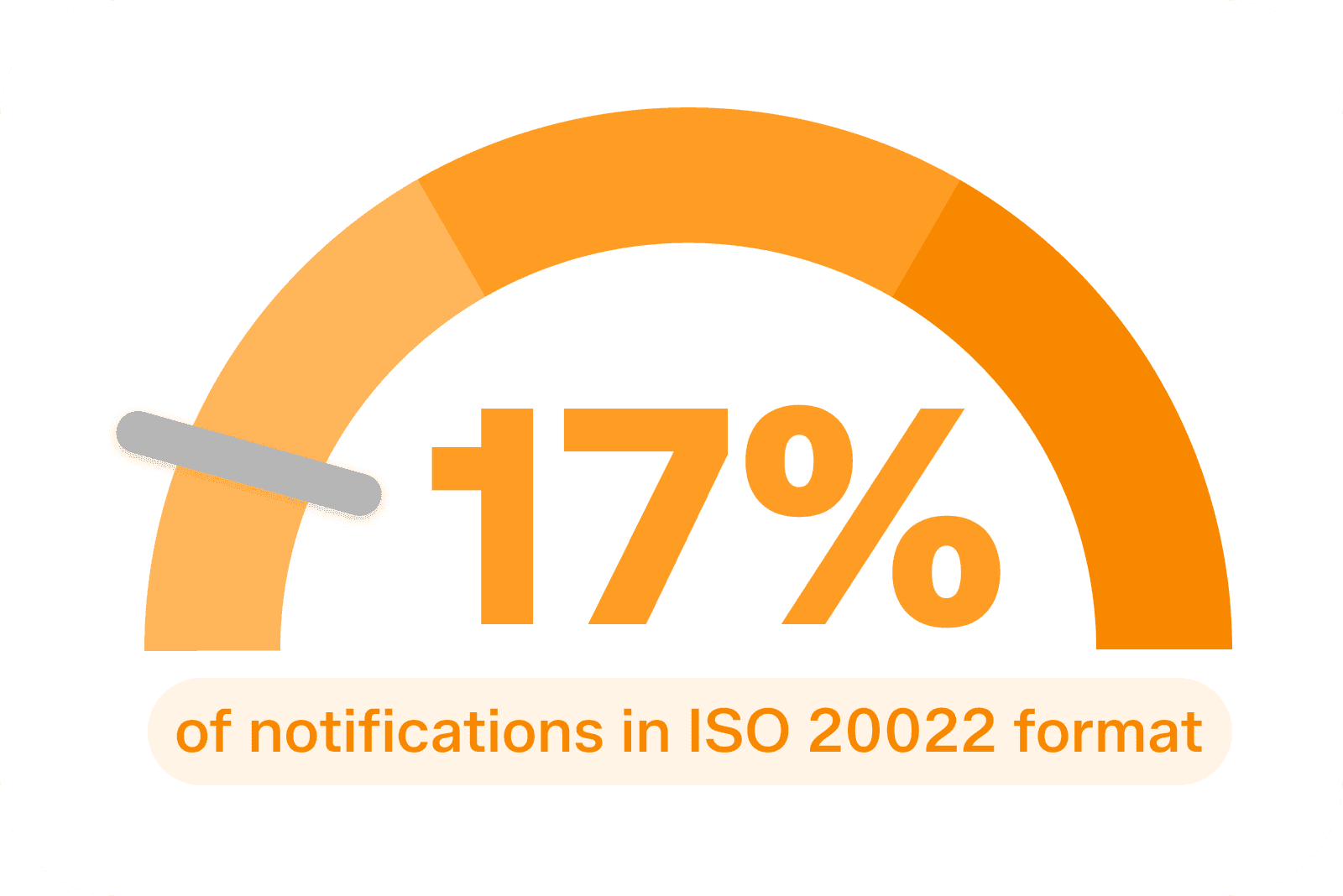
The industry remains heavily reliant on ISO 15022, and the gap between current adoption and what is needed for full efficiency remains significant.
At current adoption rates, the benefits of ISO 20022 standardisation will remain theoretical for most of the market.
Annual inefficiency cost
Cost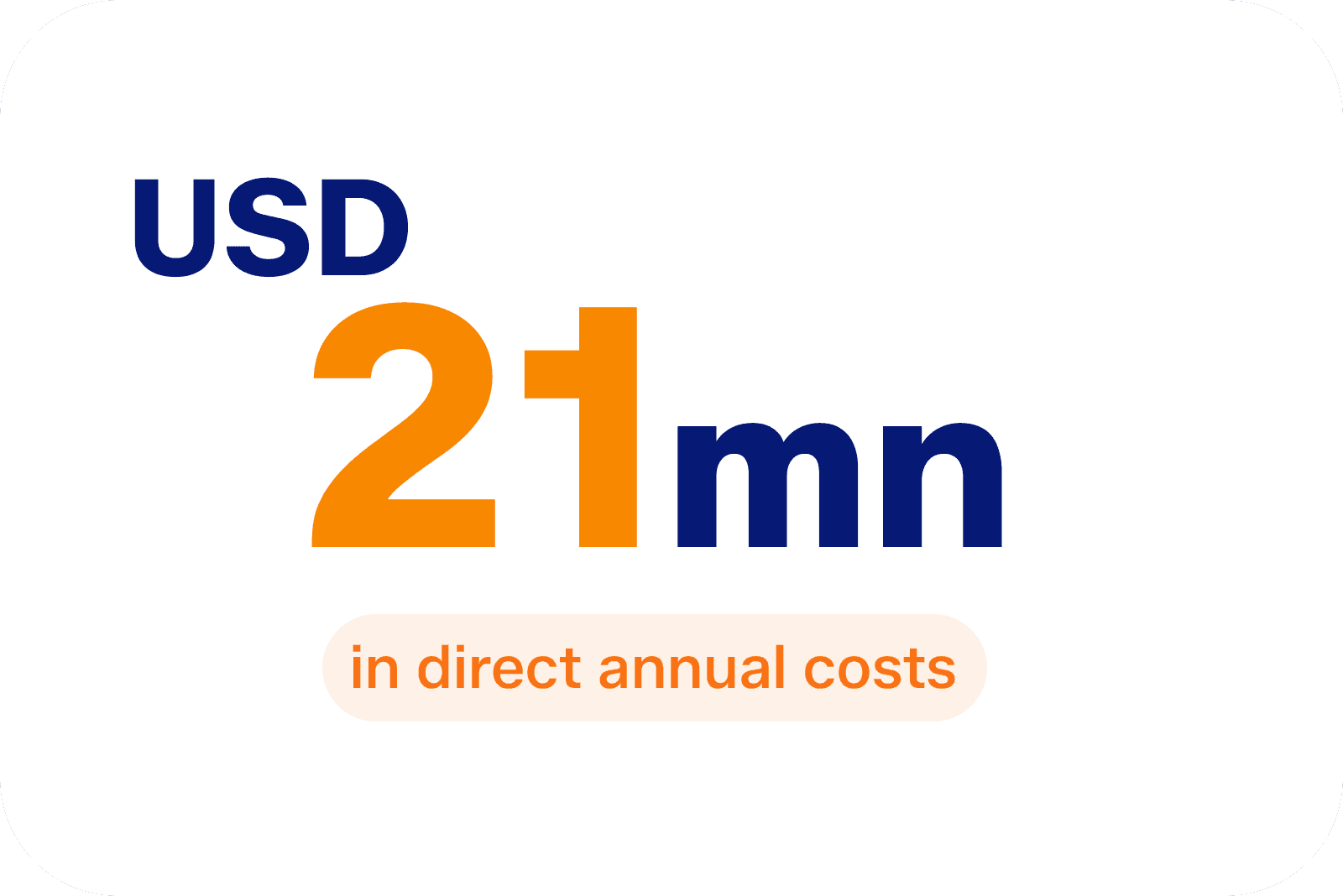
Manual processes and legacy messaging standards are the primary drivers — not market complexity or volume alone.
Standardisation through ISO 20022 could address a meaningful share of this cost without requiring firms to rebuild from scratch.
Standardisation reduces errors
Efficiency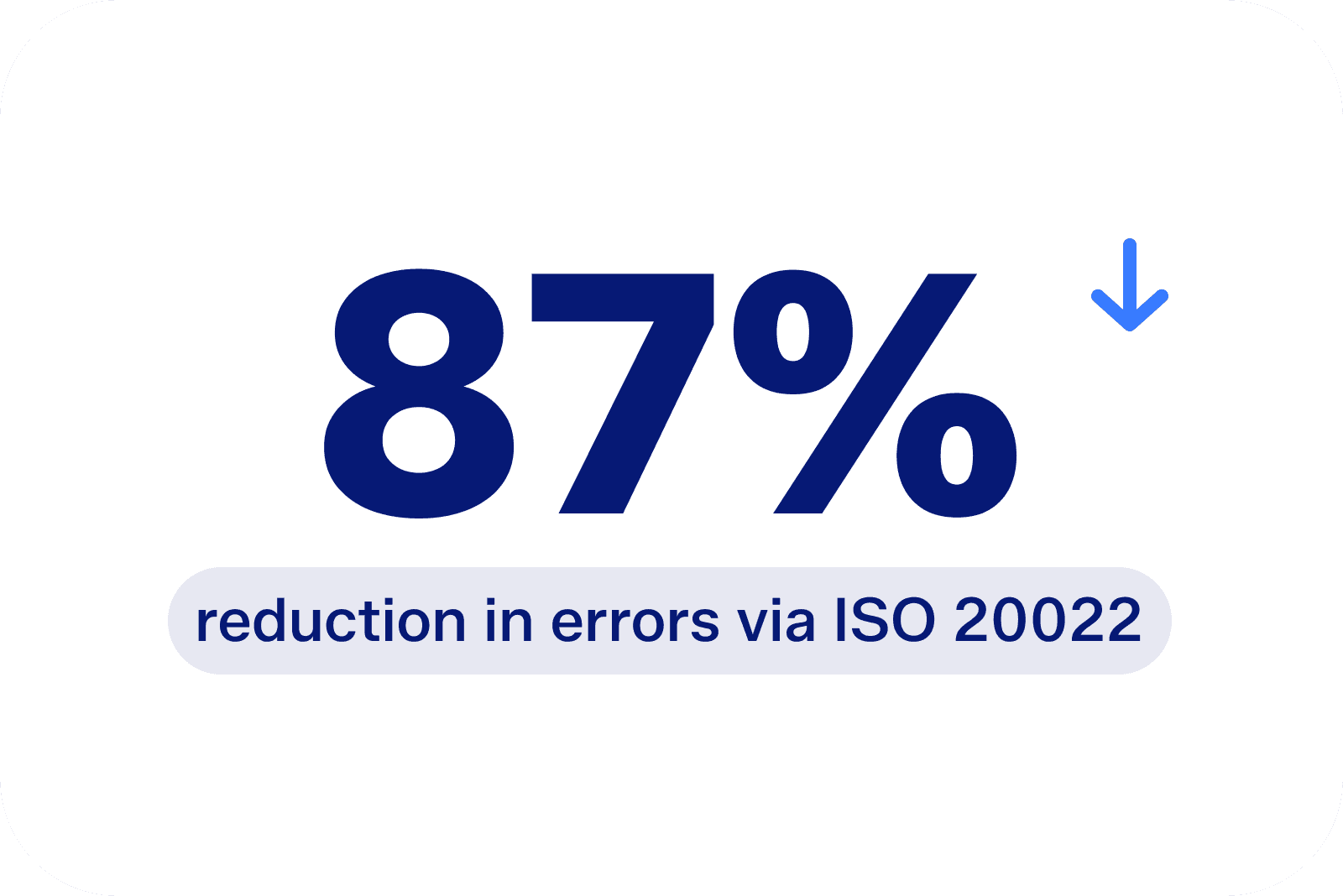
Processing errors account for up to 10% of firms' total operational costs — making error reduction one of the clearest financial cases for standardisation.
The gains are available now — the barrier is adoption pace, not technology readiness.
Asset servicing firms are under increasing pressure to reduce risk, improve efficiency and move beyond legacy operating models. As volumes rise and manual processes continue to absorb cost and control, standardisation is becoming a more urgent strategic requirement.
Why is ISO 20022 becoming more important in asset servicing now? What are firms still losing by relying on fragmented processes and legacy messaging standards?
The paper examines the current state of ISO 20022 adoption, the operational and financial cost of inefficiency, and the case for treating standardisation as a foundation for long-term asset servicing transformation.
The research, produced in partnership with SmartStream Technologies, highlights:
Only 17% of event notifications are received in ISO 20022 format, showing how heavily the market still relies on ISO 15022
Asset servicing operations incur direct costs of up to US dollar (USD) 21 million per annum across operational expenditure and processing errors
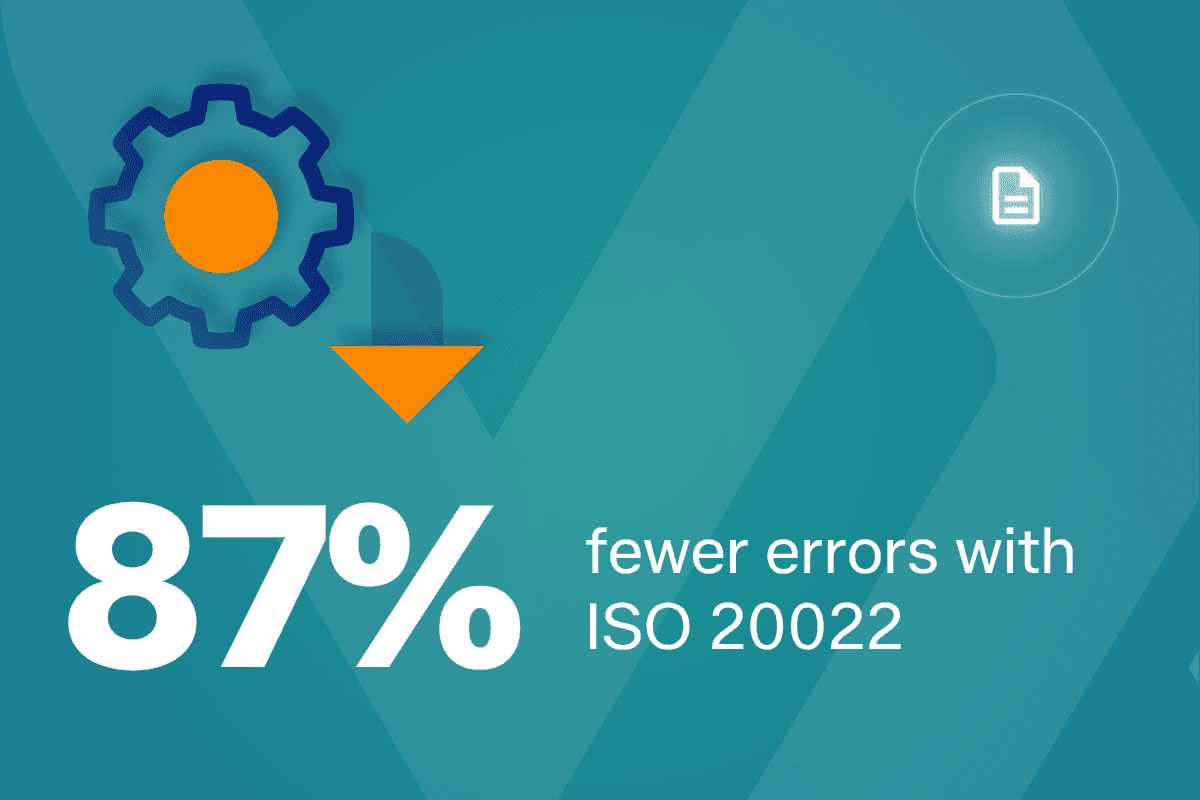
Standardisation through ISO 20022 could reduce errors by as much as 87%, with processing errors accounting for up to 10% of firms' total operational costs
Keep reading — it's free
Verify your email to read this content
Ask the Xchange AI
Have a question about our research? Ask our AI assistant for specific insights.
SHARE THIS INSIGHT

Discover More
View All Insights
Xchange brief
22 October 2026
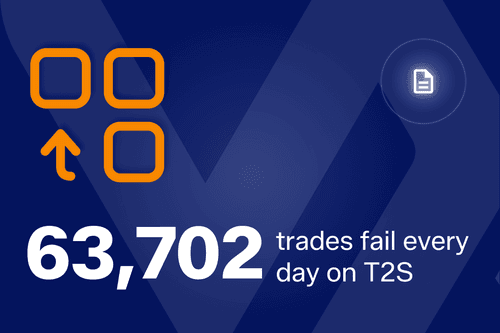
They have crossed from retail speculation into regulated financial market infrastructure: USD 63bn market grows by 300% per annum.
Report
21 October 2026
Explore why connected data flows are key to improving European settlement efficiency ahead of T+1.
Xchange brief
20 October 2026
USD 822bn cumulative volume in first five months of 2026. Perpetual futures are migrating into regulated capital markets.
Xchange brief
16 October 2026
T+1, tokenisation, 23x5 trading, and clearing mandates shift from rulebooks to live infrastructure. Are you ready?