Chess Depository Nominees cost benchmarking: whitepaper
How the ASX’s integrated CDI model compares on cost, speed, investor rights and asset safety.
In Partnership with


Cross-border securities access depends not only on market reach, but on how the underlying nominee structure is designed. Developed in partnership with ASX, this whitepaper compares Australia’s CDI model with equivalent structures in the UK, US, Brazil, Singapore and Mexico, examining cost, conversion speed, asset protection and investor outcomes.
No investor lifecycle fees
Investor cost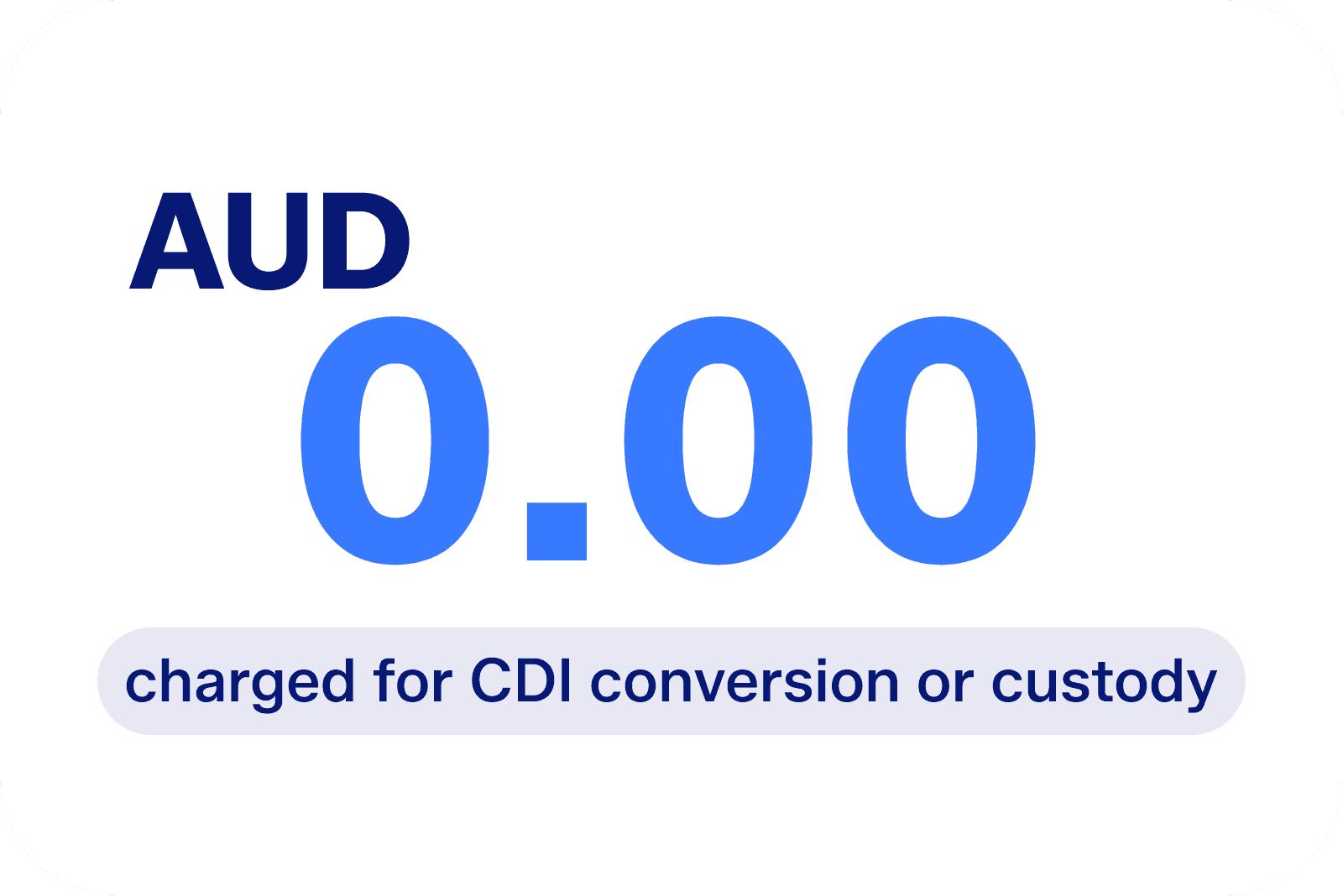
Under the Australian model, investors are not charged to convert or hold CDIs.
The CDN also supports full dividend pass-through, unlike ADR and BDR structures where lifecycle charges continue after issuance.
Costs remain capped
Issuer cost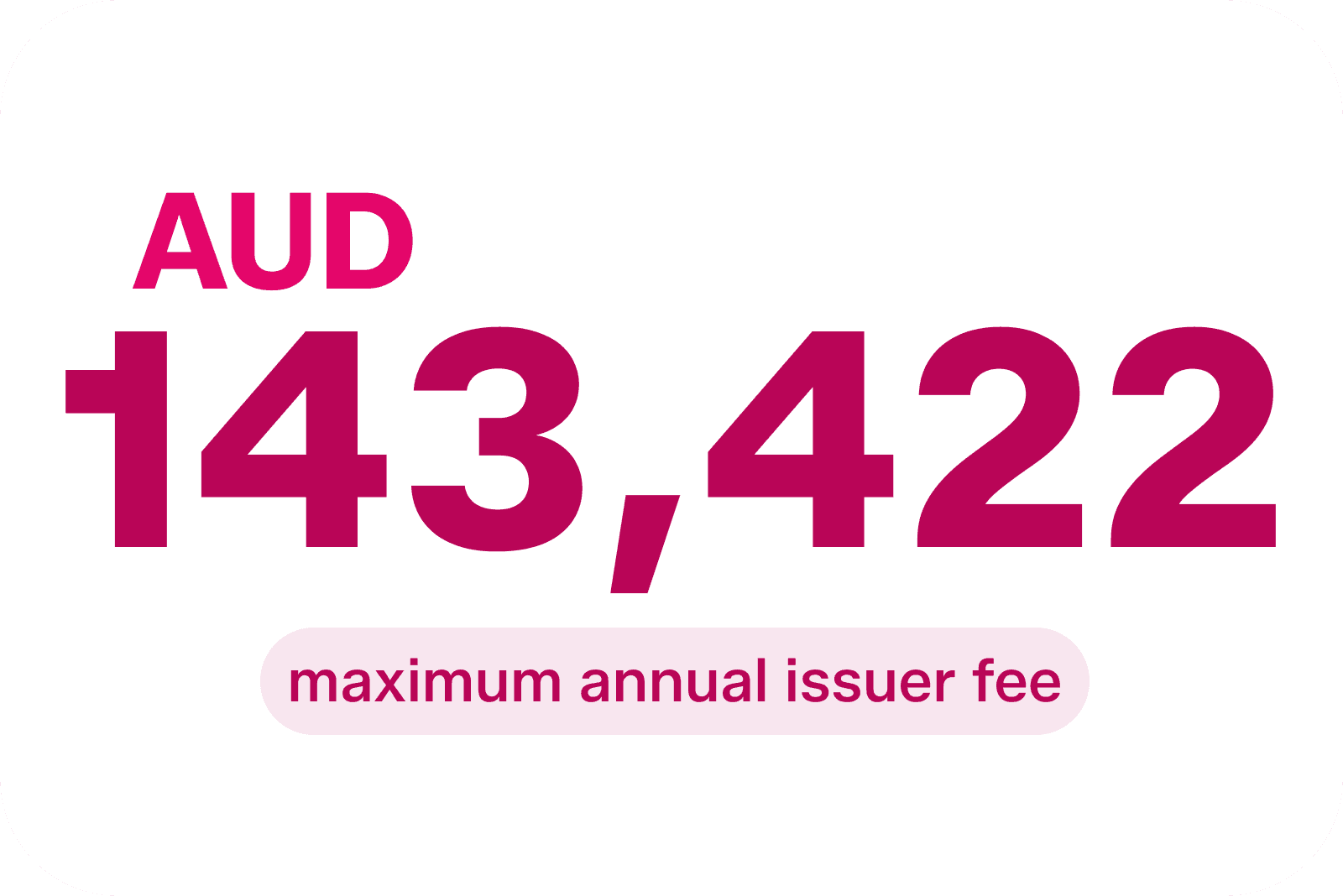
The issuer model is designed to provide cost visibility over time, not just low entry pricing.
Issuers pay a one-off appointment fee of AUD 5,000 and an annual market-cap based fee, with pricing changes governed through policy review.
T+1 conversion model
Operational speed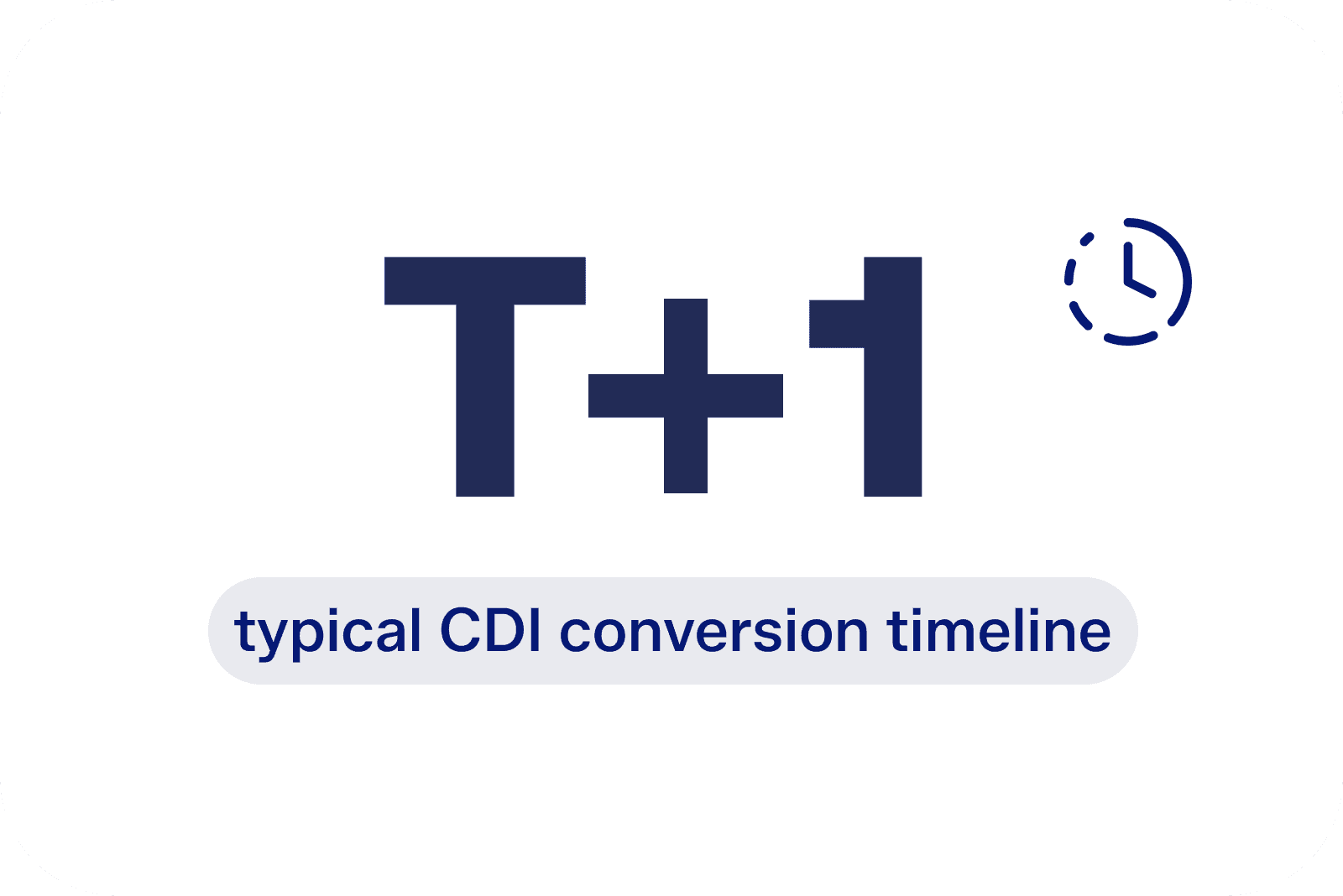
Australia’s integrated FMI structure supports faster conversion by reducing the hand-offs seen in commercial DR models.
Comparable ADR, BDR and SDR models typically take 5 to 15 business days, adding both friction and delay.
Cross-border securities access is often assessed in terms of listing and distribution. In practice, the underlying nominee model can have a material impact on cost, settlement speed, operational friction and investor protection.
How does Australia’s CHESS Depositary Nominee model compare with equivalent structures in other markets? What practical differences emerge between integrated market infrastructure models and commercial depositary bank models?
The whitepaper examines issuer and investor fee structures, conversion timing, asset safety and the differences between integrated infrastructure frameworks and commercially operated depositary models.
The research, developed in partnership with ASX, highlights:
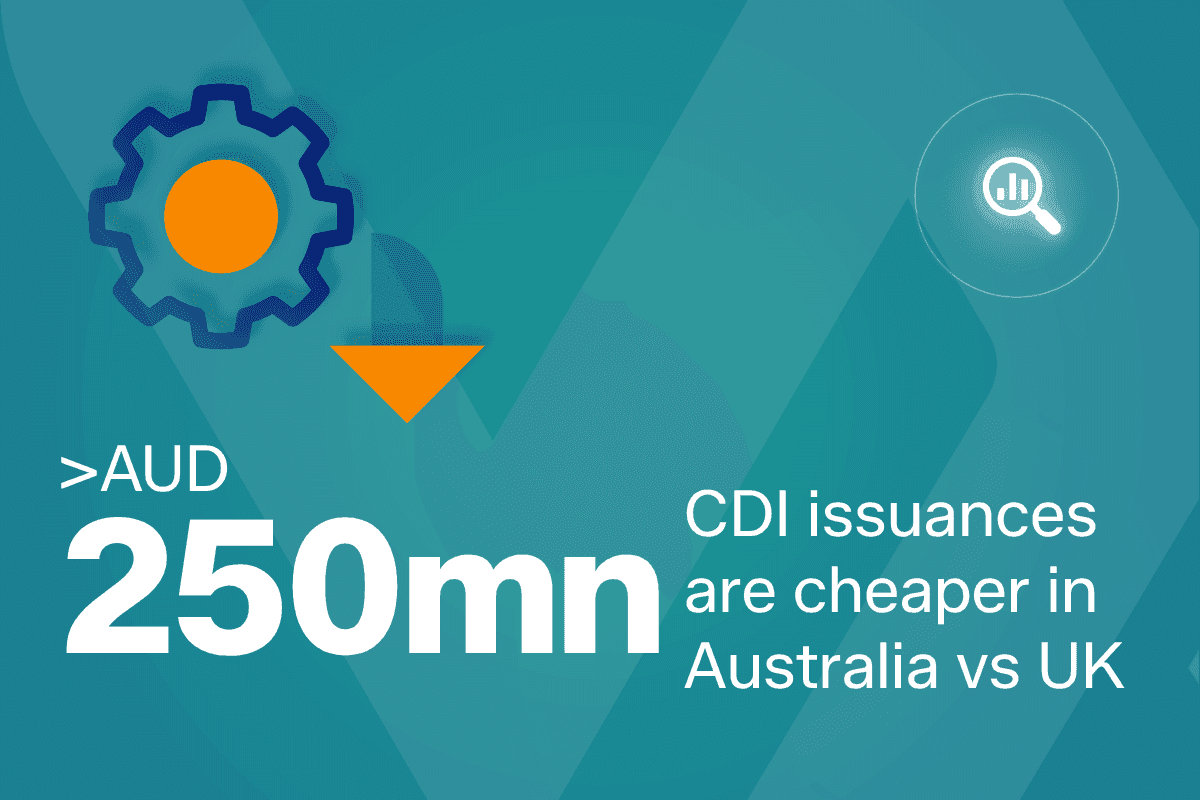
Why Australia’s model is more cost-efficient: for issuances above AUD 250 million, Australia is generally more cost-efficient than comparable UK structures and materially cheaper than commercial depositary models
How integrated infrastructure reduces friction: Australia and the UK use integrated nominee models, while commercial bank models in the US, Brazil and Singapore typically involve higher fees and slower processing
What investors avoid under the CDN framework: conversion and custody fees are removed for investors and conversion settles on T+1.
Why asset protection differs across structures: trust-based legal arrangements in Australia provide stronger asset safety and support full pass-through of economic rights
What this means for market participants: the structure of the nominee model affects issuer cost, investor outcomes and the operational competitiveness of cross-border access
Keep reading — it's free
Verify your email to read this content
Ask the Xchange AI
Have a question about our research? Ask our AI assistant for specific insights.
SHARE THIS INSIGHT

Discover More
View All Insights
Xchange brief
22 October 2026
They have crossed from retail speculation into regulated financial market infrastructure: USD 63bn market grows by 300% per annum.
Report
21 October 2026
Explore why connected data flows are key to improving European settlement efficiency ahead of T+1.

Xchange brief
20 October 2026
USD 822bn cumulative volume in first five months of 2026. Perpetual futures are migrating into regulated capital markets.

Xchange brief
16 October 2026
T+1, tokenisation, 23x5 trading, and clearing mandates shift from rulebooks to live infrastructure. Are you ready?