
The tokenised collateral series.
Cross-border collateral markets still face significant operational friction as manual settlement, delivery constraints and idle assets continue to limit liquidity usage. The challenge is not only process inefficiency, but the difficulty of moving collateral across time zones, currencies and legal frameworks without tying up capital. What is holding back collateral mobility in global markets today? What do recent live repo trades reveal about the practical value of tokenised collateral in cross-border funding and liquidity management?

In Partnership with

Ask the Xchange AI
Have a question about our research? Ask our AI assistant for specific insights.
The Context
Webinar
Tokenised collateral is moving forward through live market activity.
Over the past year, regulated firms including Bank of America, DRW, Virtu Financial and Tradeweb have completed live repo transactions using real securities and real cash across dollars, euros and sterling on the Canton Network.
In this session, moderated by Barnaby Nelson, senior market practitioners discussed what has already been achieved, what these trades demonstrate in practice, and what will shape the next phase of adoption.
The discussion covered:
the operational case for improved collateral mobility
the cost of fragmented collateral management
the role of 24/7 markets in accelerating settlement change
institutional cash models for on-chain settlement
the roadmap for broader market adoption
Keep watching — it's free
Verify your email to watch this content
Speakers

Barnaby Nelson
Chief Executive Officer
The ValueExchange
Bud Novin
Head of Payment Systems, Post Trade Solutions
LSEG
Chris Zuehlke
Global Head of Cumberland
DRW
Dan Eckstein
Fixed Income Distribution & Strategy
Virtu
Elisabeth Kirby
Head of Market Structure
Tradeweb
Joel Stainton
Head of Global Collateral Interest & Liquidity, GF&F
Bank of America
Joseph Spiro
Product Director, DTCC Digital Asset Solutions
DTCCWhitepaper
Stablecoin issuance today
Scale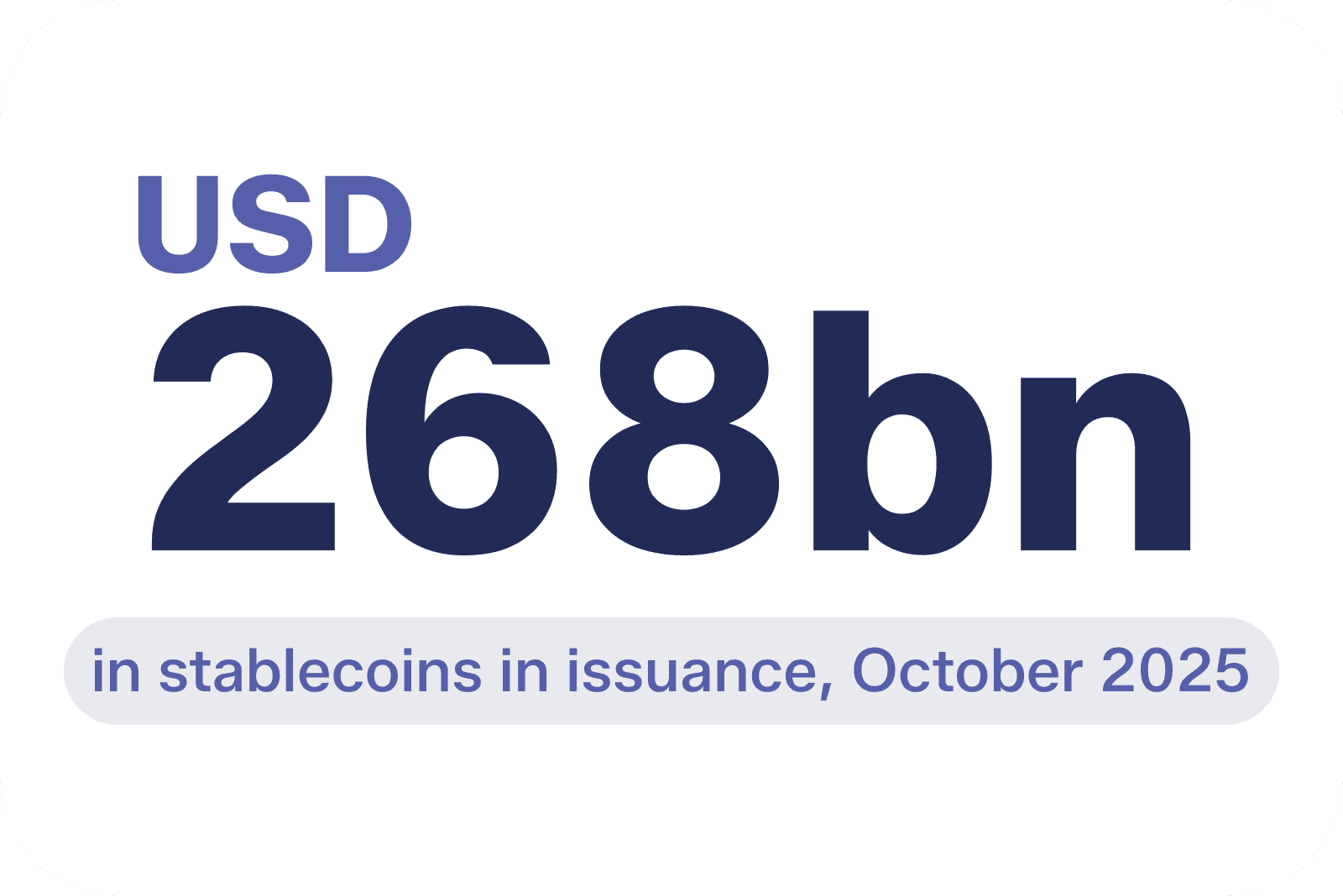
This scale establishes tokenised collateral as a market reality rather than a future concept, and creates a foundation for broader on-chain repo activity.
Growth in stablecoin issuance is one of the clearest signals that institutional confidence in on-chain financial instruments is building.
Margining issues widespread
Risk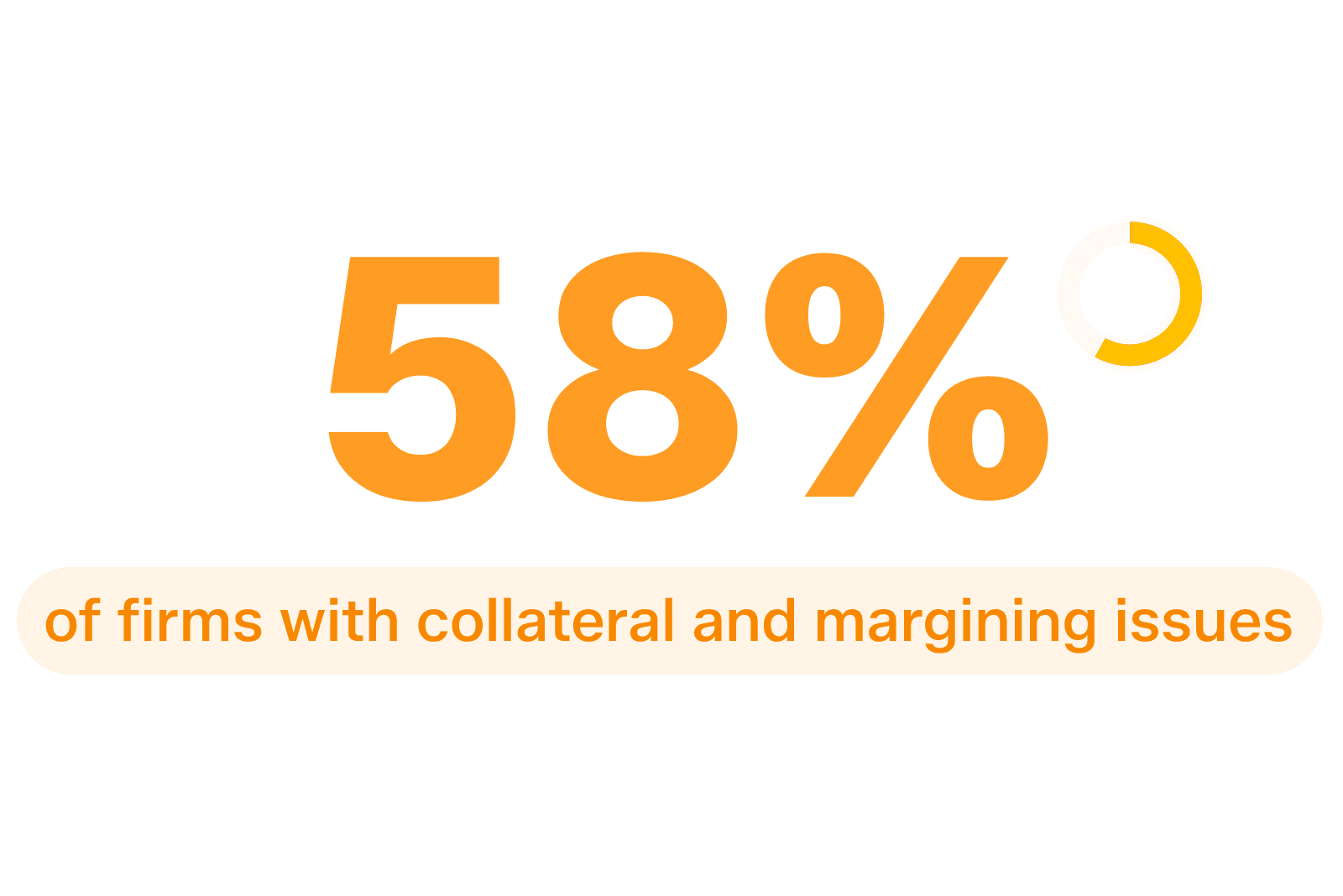
Collateral and margining challenges are not a minority experience — they affect more than half the market.
The prevalence of these issues defines the problem on-chain collateral solutions are being designed to address.
US market savings
Savings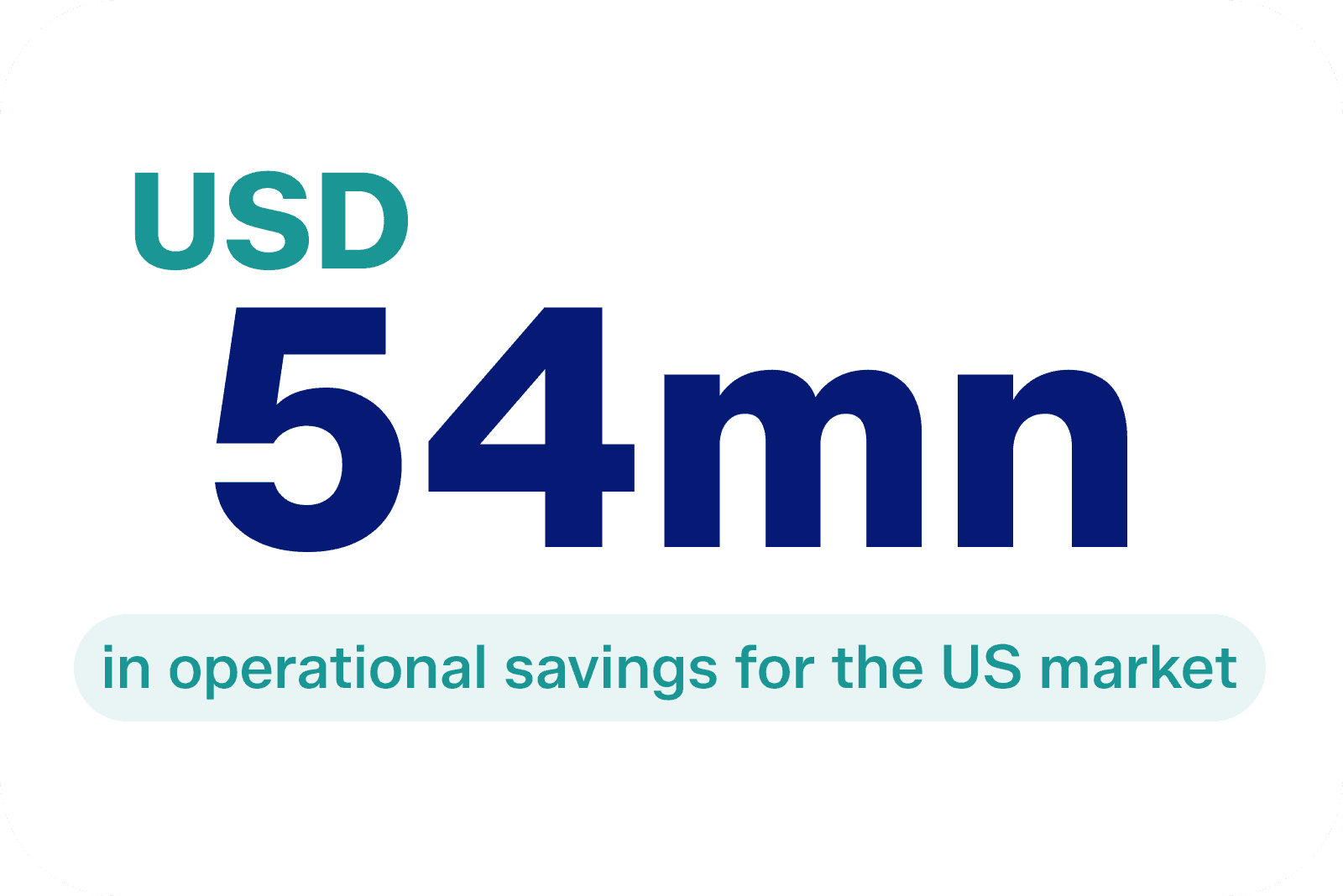
This assumes 0.5 FTE per firm currently dedicated to collateral movements and reconciliations — a conservative and defensible baseline.
The savings case is grounded in current operating cost rather than theoretical efficiency, making the business case directly actionable for firms evaluating impact today.
Collateral mobility remains constrained by manual post-trade processes even though US Treasuries underpin daily liquidity at scale. Recent on-chain repo transactions have provided a more practical demonstration of how tokenised collateral could improve speed, control and operational efficiency across the market.
What changes when Treasuries move on chain in live collateral workflows? How strong is the business case for tokenising collateral if firms want to reduce friction without increasing risk?
The whitepaper examines the July and October 2025 on-chain Treasury repo transactions through detailed debriefs with the parties involved. It looks at what happened in practice, what the transactions signal for collateral and repo markets, and what firms need to consider if tokenised collateral is to move from isolated transactions to broader adoption.
The research, produced in partnership with Digital Asset, highlights:
Stablecoin issuance had reached US dollar (USD) 268 billion in October 2025, underlining the scale of tokenised collateral potential
58% face collateral and margining issues: more than half of firms continue to experience friction in collateral management and margining today
The US market alone could realise USD 54 million in operational savings without sacrificing risk control or income
The paper uses recent live transactions to examine how tokenised collateral could improve repo execution, collateral movement and post-trade efficiency
Keep reading — it's free
Verify your email to read this content
Report
Collateral remains idle
Treasury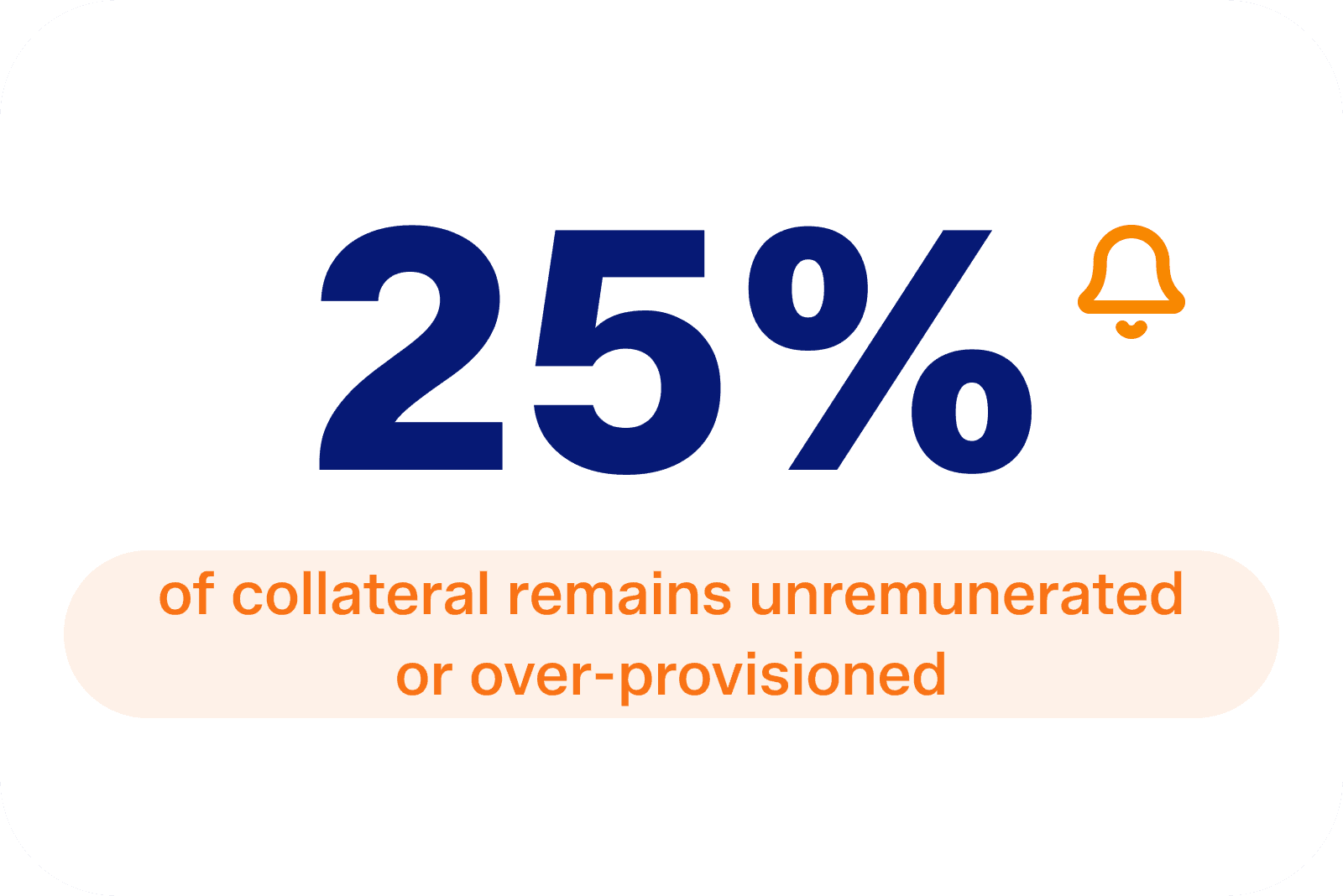
Pre-funding and over-provisioning continue to trap collateral that could otherwise be mobilised more efficiently.
This is leaving a significant share of collateral idle across time zones, currencies and legal frameworks.
Treasury drag is measurable
Cost
Trapped collateral is no longer just an operational inefficiency — it is a measurable treasury cost.
The cost of idle collateral is already large enough to justify closer attention to mobility and funding design.
Tokenised liquidity ahead
Scale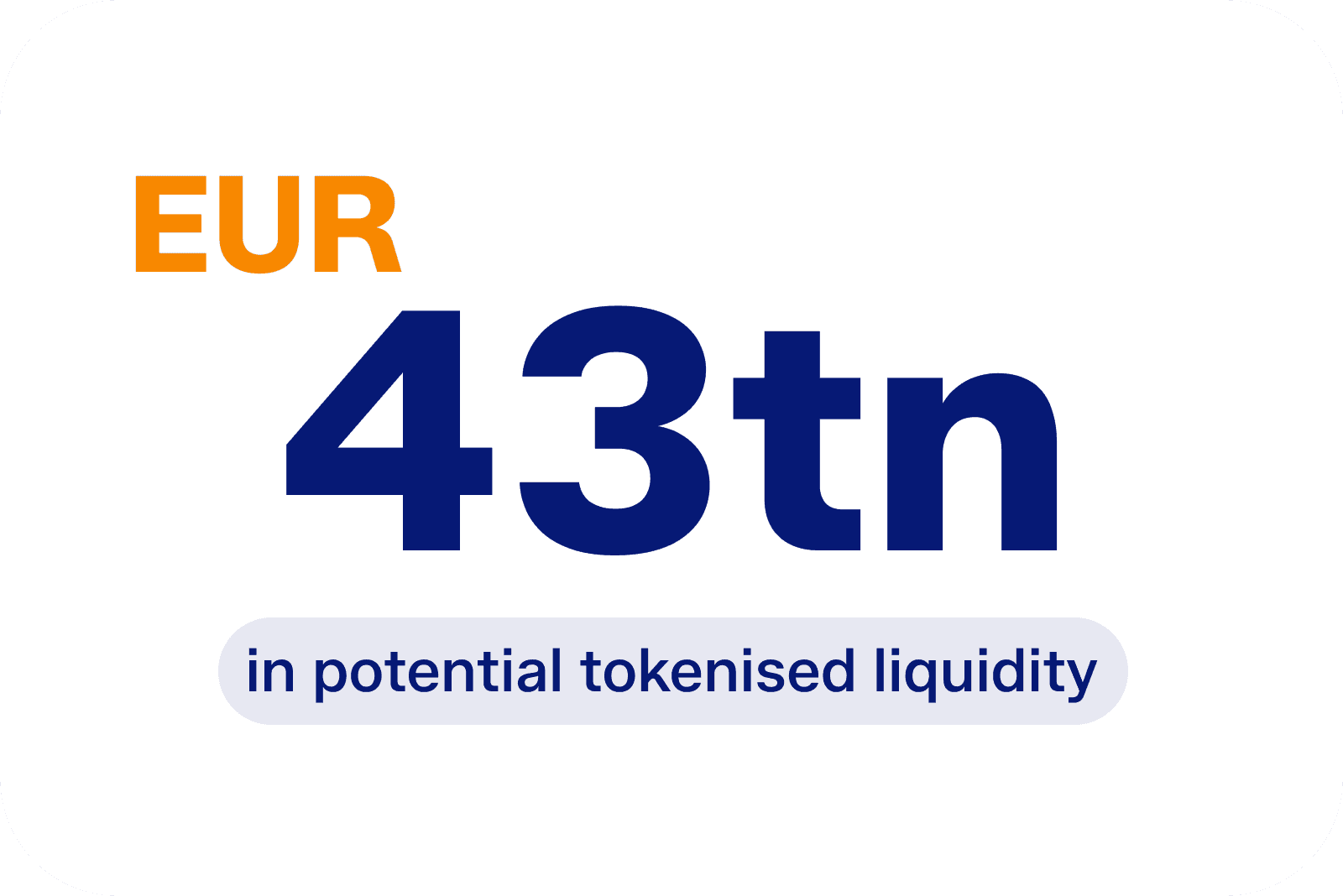
Recent developments involving European market infrastructures point to a much larger future pool of mobilisable collateral.
Live cross-border repo trades are beginning to show what that future could look like in practice."
Cross-border collateral markets still face significant operational friction as manual settlement, delivery constraints and idle assets continue to limit liquidity usage. The challenge is not only process inefficiency, but the difficulty of moving collateral across time zones, currencies and legal frameworks without tying up capital.
What is holding back collateral mobility in global markets today? What do recent live repo trades reveal about the practical value of tokenised collateral in cross-border funding and liquidity management?
The report examines the current constraints in global collateral markets, the details of recent live tokenised repo transactions and what these developments may mean for broader adoption across North America, the UK and the EU. It also considers the role of tokenised deposits, stablecoins and industry utilities in supporting future scale.
The research, developed in partnership with Digital Asset, highlights:
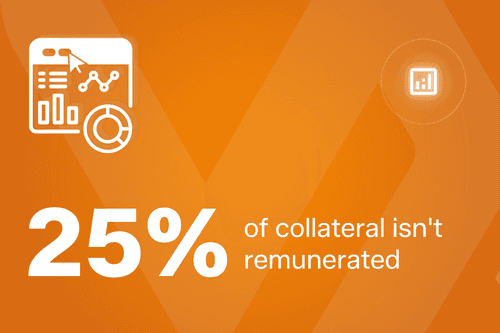
Up to 25% of collateral remains idle: pre-funding and over-provisioning continue to leave a significant share of collateral unremunerated
USD 1.2 billion in lost nightly interest earnings: trapped collateral is creating a measurable treasury cost across the market
USD 54 million in US operational savings: tokenisation could reduce operational cost materially without weakening risk control
EUR 43 trillion in potential tokenised liquidity: recent developments involving European market infrastructures point to a much larger future pool of mobilisable collateral
Live cross-border repo is already proving the model: recent transactions across the Canton network have demonstrated multi-currency, cross-border and out-of-hours collateral mobility
Discover more on The tokenised collateral series
View All Insights
Survey
9 April 2026
What is the business case for tokenised money market funds, and what will shape adoption at scale?

Webinar recording
12 February 2026
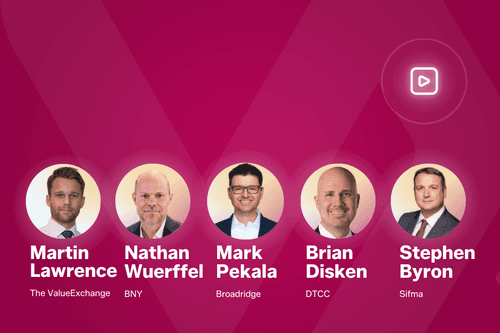
What will it take for tokenised collateral to move from business case to live operational workflow?
Webinar recording
27 January 2026
What will determine whether firms reach mandatory US Treasury central clearing on time?
Dive deeper in the Xchange
View All Insights
Xchange brief
15 June 2026
Our conversations this month: how collateral mobilisation, DTCC's 2026 tokenisation launch and Europe's CSD landscape are defining post-trade

Xchange brief
25 June 2026
Regulated firms completed live repo transactions on weekends, real securities, real cash, on Canton. What is the roadmap forward?
Dashboard
12 November 2025
Discover the data about why, where and how are firms working on tokenised collateral today.