
Post-trade transformation in Europe: report
Explore why connected data flows are key to improving European settlement efficiency ahead of T+1.
In Partnership with


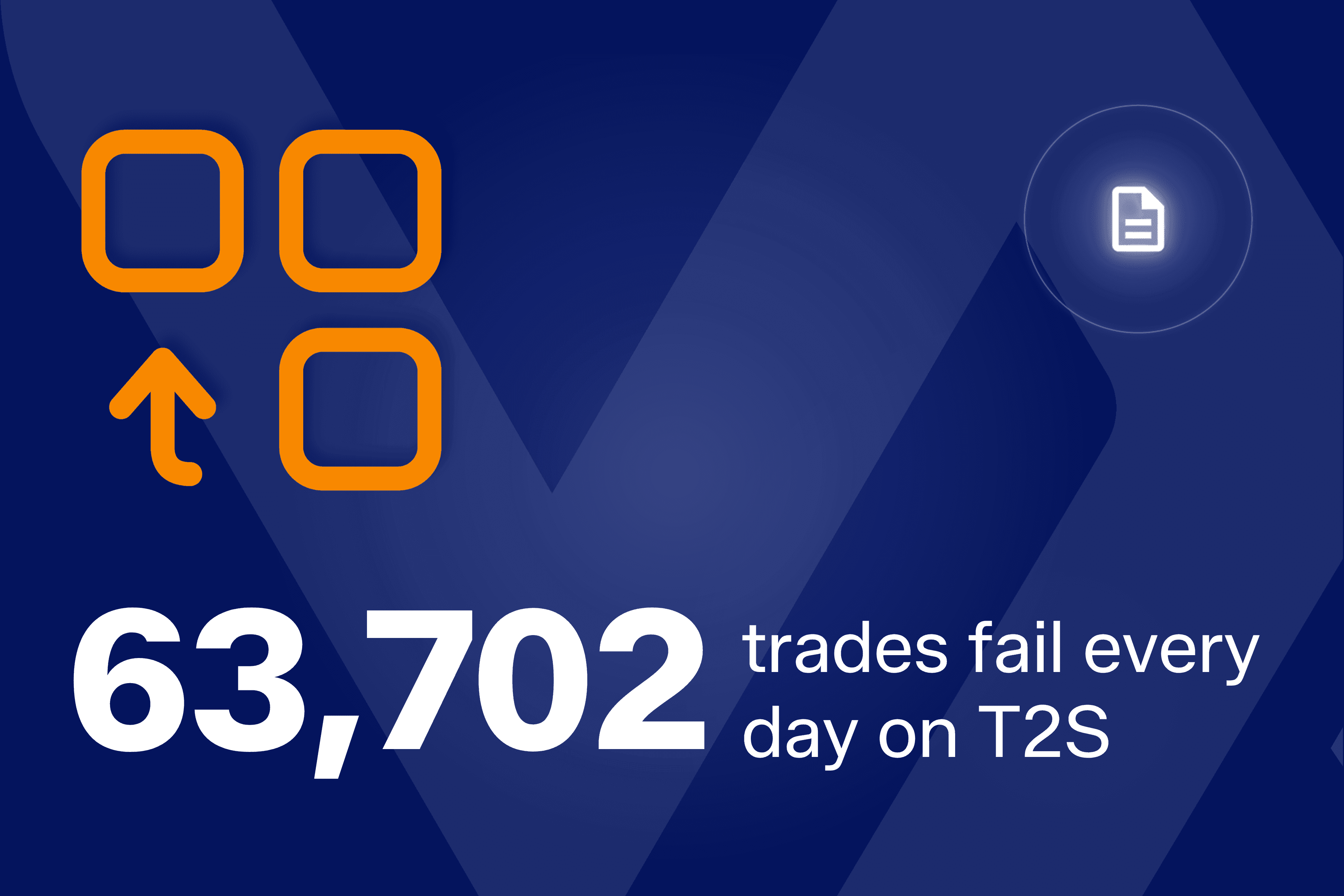
European settlement volumes rose 15% in 2025, while failed trades increased 21%, increasing pressure across an already complex post-trade environment.
Produced with DTCC, this report examines the root causes of settlement inefficiency and how more connected, automated data flows could support a more scalable operating model ahead of the move to T+1.
Settlement inefficiency
Growth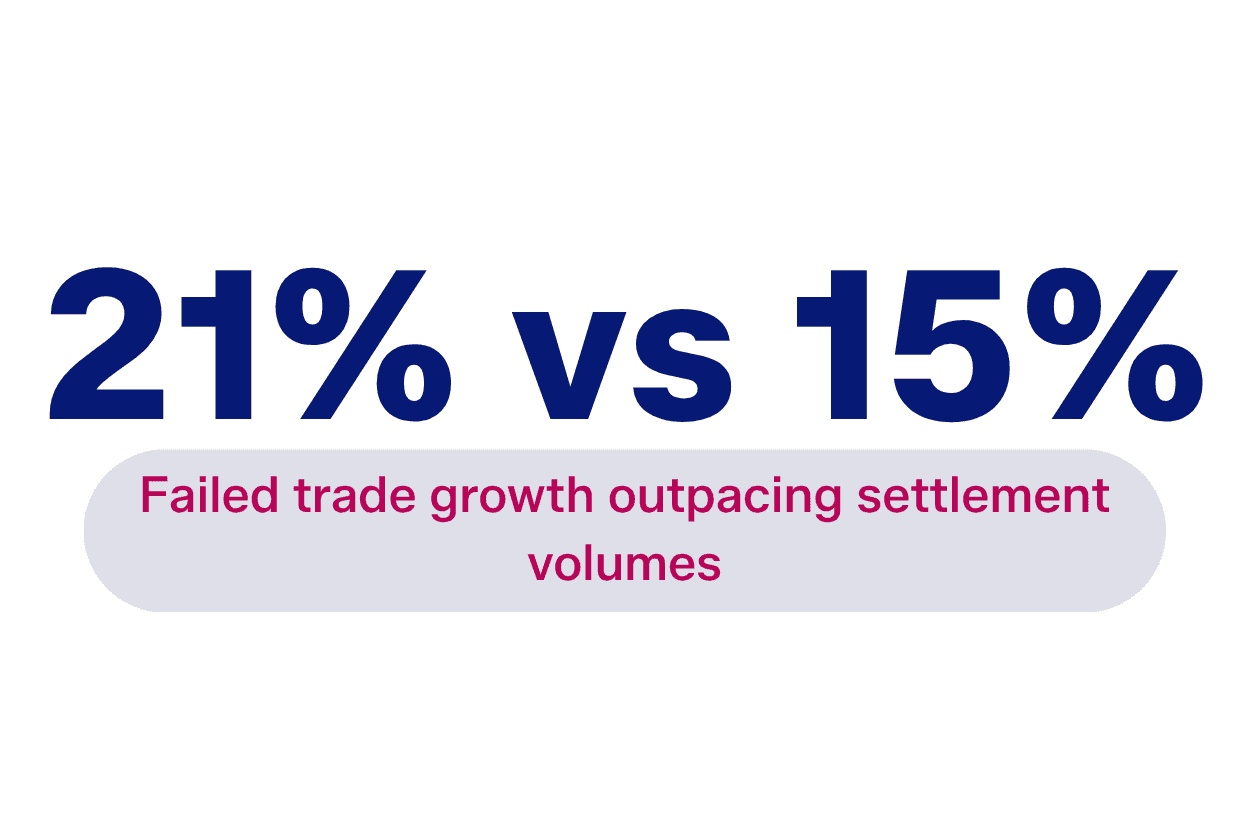
Europe’s failing trade volumes are outpacing settlement volume growth, 21% to 15%, respectively.
Failed trades create significant daily costs across penalties, funding, processing and manual intervention.
SSI automation gap
Automation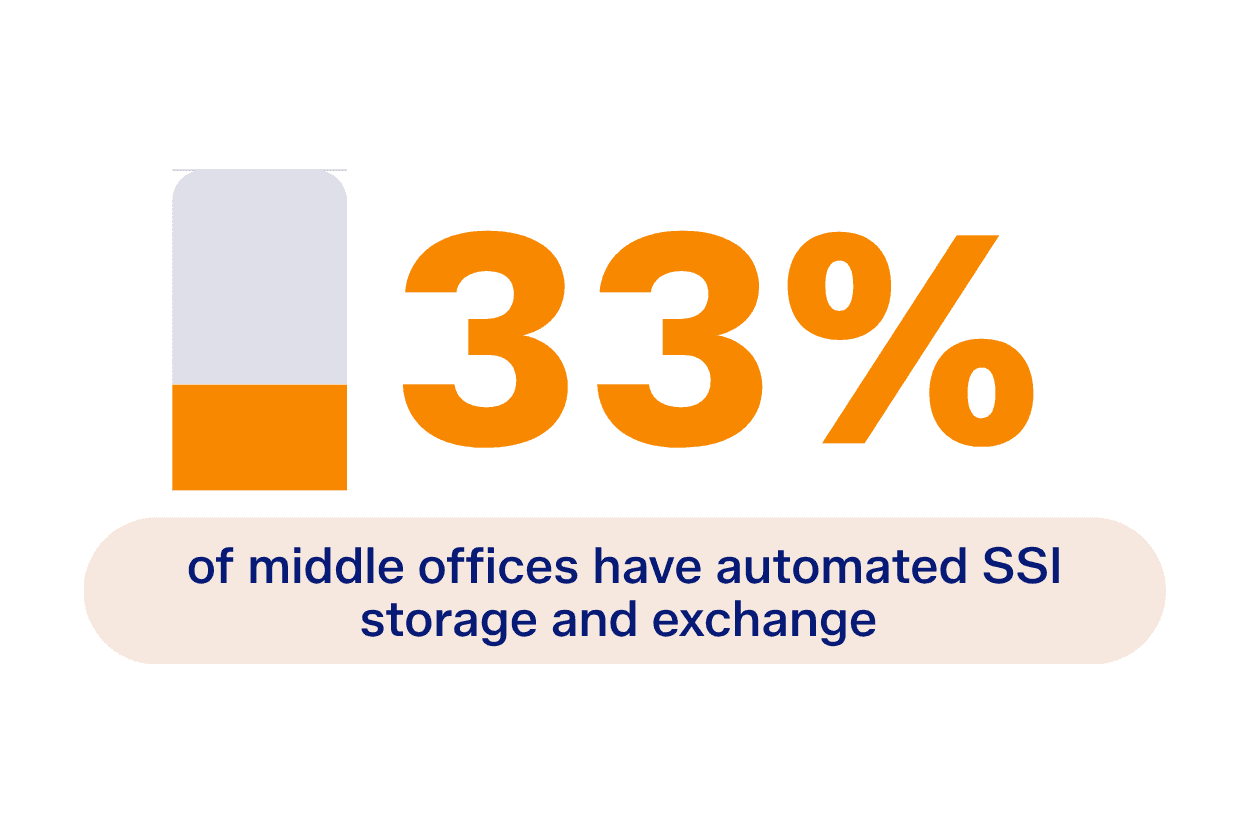
Breaking the cycle of inefficiency requires addressing root causes and improving data quality, consistency, and movement.
Manual SSI processes remain a major source of operational friction across European settlement workflows.
Automation accelerates
T+1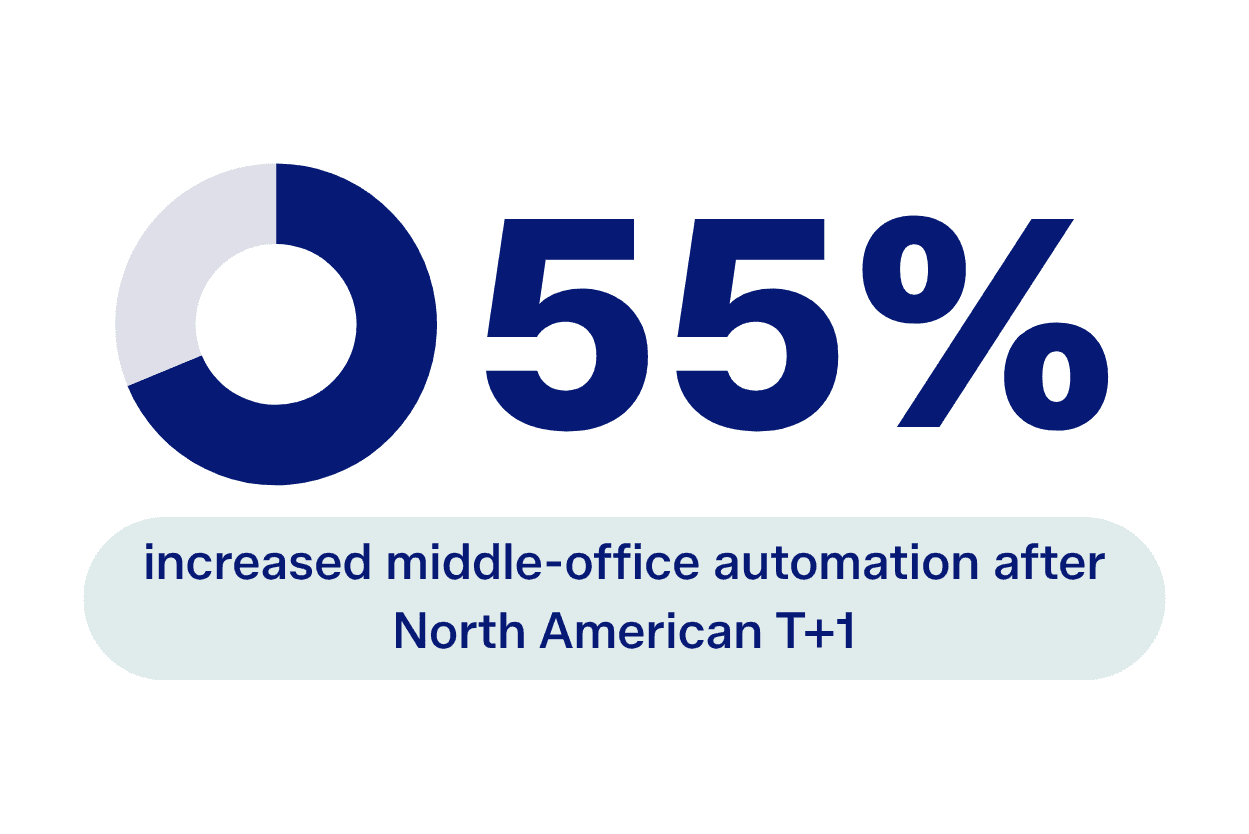
An opportunity for the industry to move beyond managing inefficiencies and instead build a stronger foundation for acceleration.
The North American transition shows how compressed timelines can act as a catalyst for greater automation across post-trade operations.
The report looks at where friction is building across the European post-trade lifecycle and how firms can improve data quality, automation and workflow connectivity.
The research explores:
Settlement efficiency and the cost of failed and late trades
Fragmented data flows across middle and back office
Automation gaps in SSIs, allocations and confirmations
T+1 readiness and the impact of compressed timelines
Target operating models based on connected data and standardised workflows
Industry infrastructure that can support greater automation and real-time visibility
The report also examines how existing capabilities can be used to improve settlement performance and reduce operational friction ahead of the 2027 transition.
Keep reading — it's free
Verify your email to read this content
Ask the Xchange AI
Have a question about our research? Ask our AI assistant for specific insights.
SHARE THIS INSIGHT

Discover More
View All Insights
Xchange brief
16 October 2026
T+1, tokenisation, 23x5 trading, and clearing mandates shift from rulebooks to live infrastructure. Are you ready?
Report
12 October 2026
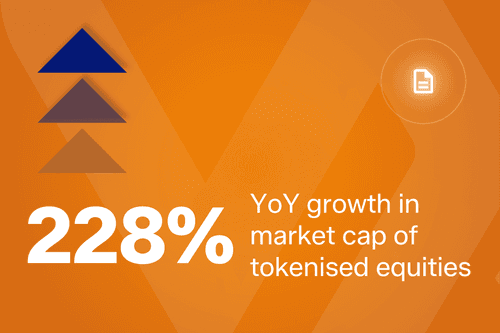
Explore how the tokenised equities market is developing and the opportunities shaping wider adoption.
Podcast
8 October 2026
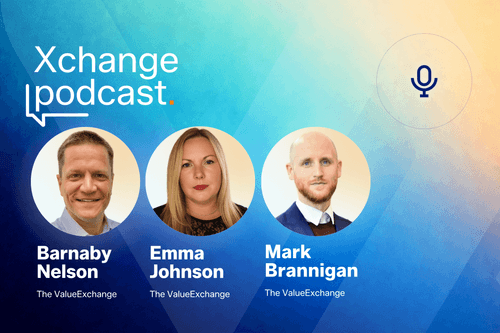
What surprised us at Sibos? The post-trade triangle of T+1, 23x5 and tokensiation, making up the majority of work in the industry
Xchange brief
8 October 2026
Two deadlines, different scopes: how to understand cash and repo clearing, test your transactions, plan the changes you need?